Challenge Accepted: A Month with OM System's Flagship Gear
OM System saw my daughter's work, noticed I shoot Nikon, and sent me their flagship gear for a month. No sponsorship, just honest feedback. Could their best keep up with how I actually shoot? Challenge accepted.
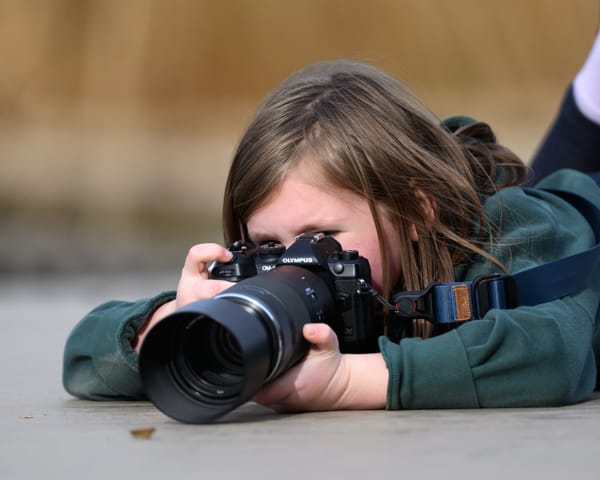
A few months ago I wrote a blog about finding my daughter the right camera for wildlife photography. She was nine, obsessed with birds, and I'd dragged her through a gauntlet of hand-me-downs and experiments before we landed on OM System. The small body, the 2x crop factor giving her reach without weight, the autofocus that could actually track birds in flight, it all clicked. She's since won awards in youth competitions and come home with shots that genuinely impress me.
That post got some traction. And, it caught the attention of OM System themselves.
They reached out. Said they'd seen my daughter's work, noticed I was a Nikon shooter, and wanted to know if I'd be interested in testing their flagship gear for a month. Their OM-1 Mark II, the 150-400mm f/4.5 with the built-in 1.25x teleconverter, and the 300mm f/4 pro prime. The full kit.
They wanted to see what a Nikon wildlife shooter would do with their best glass.
And I admit, I was curious. I'd recommended OM System to parents, praised the autofocus, watched my daughter thrive with it, but I'd never really pushed the pro glass myself. I'd never seen what the top end could do with them and if it worked with how I shoot.
So I said yes.
Challenge accepted.
Same Day, Two Photographers
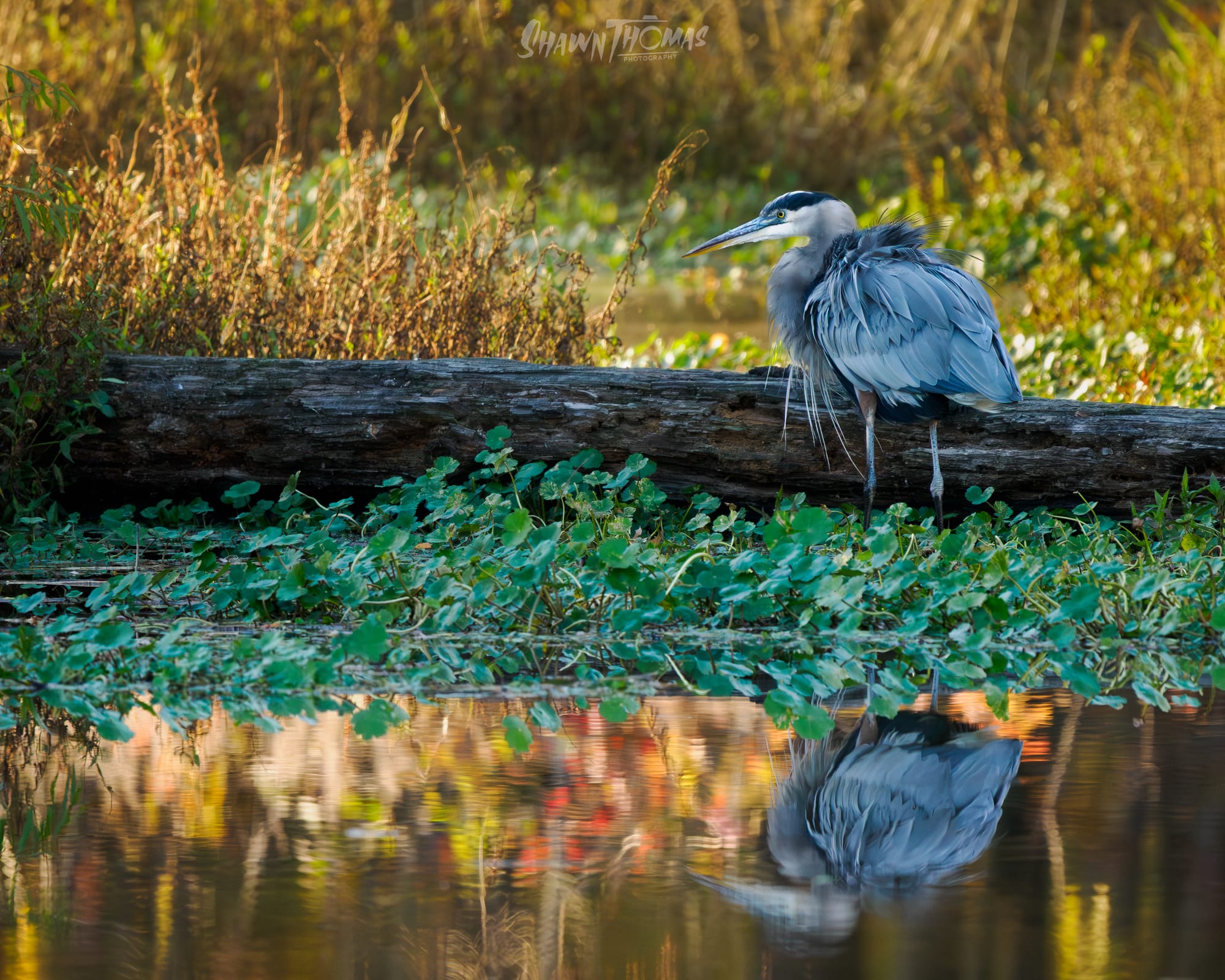
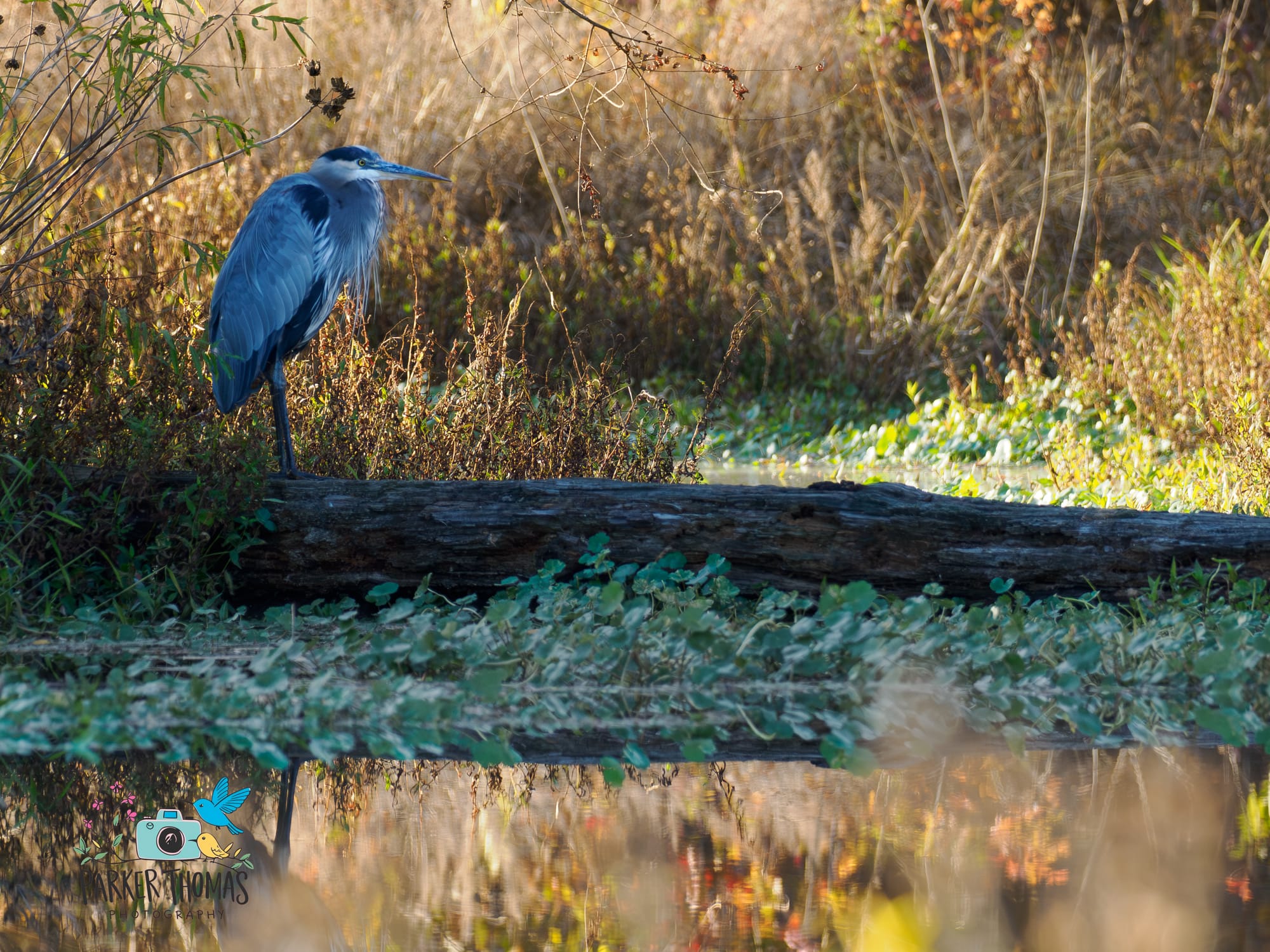
It started with a great blue heron on a log.
My daughter and I were shooting side by side, the way we do most weekends now. Same bird, same light, same evening. The difference was the glass. She had the 300mm f/4 pro prime. I had the 150-400mm f/4.5 with the built-in teleconverter.
My Shot: OM-1 Mark II and 150-400Daughters Shot: OM-1 and the 300 f4 pro
Both cameras were OM-1s. Both of us were working the same scene. And honestly? Both shots turned out great. But by the end of the morning, she handed the 300 back and asked for her zoom.
She's ten. Primes just aren't her thing. She likes the flexibility to recompose without moving her feet, and when birds don't cooperate with your framing, which is always, that zoom range matters. I get it. I wrote a whole blog about finding her the right gear, and the 100-400 we landed on is still perfect for her. The 300 f/4 is a fantastic lens. It's just not her lens.
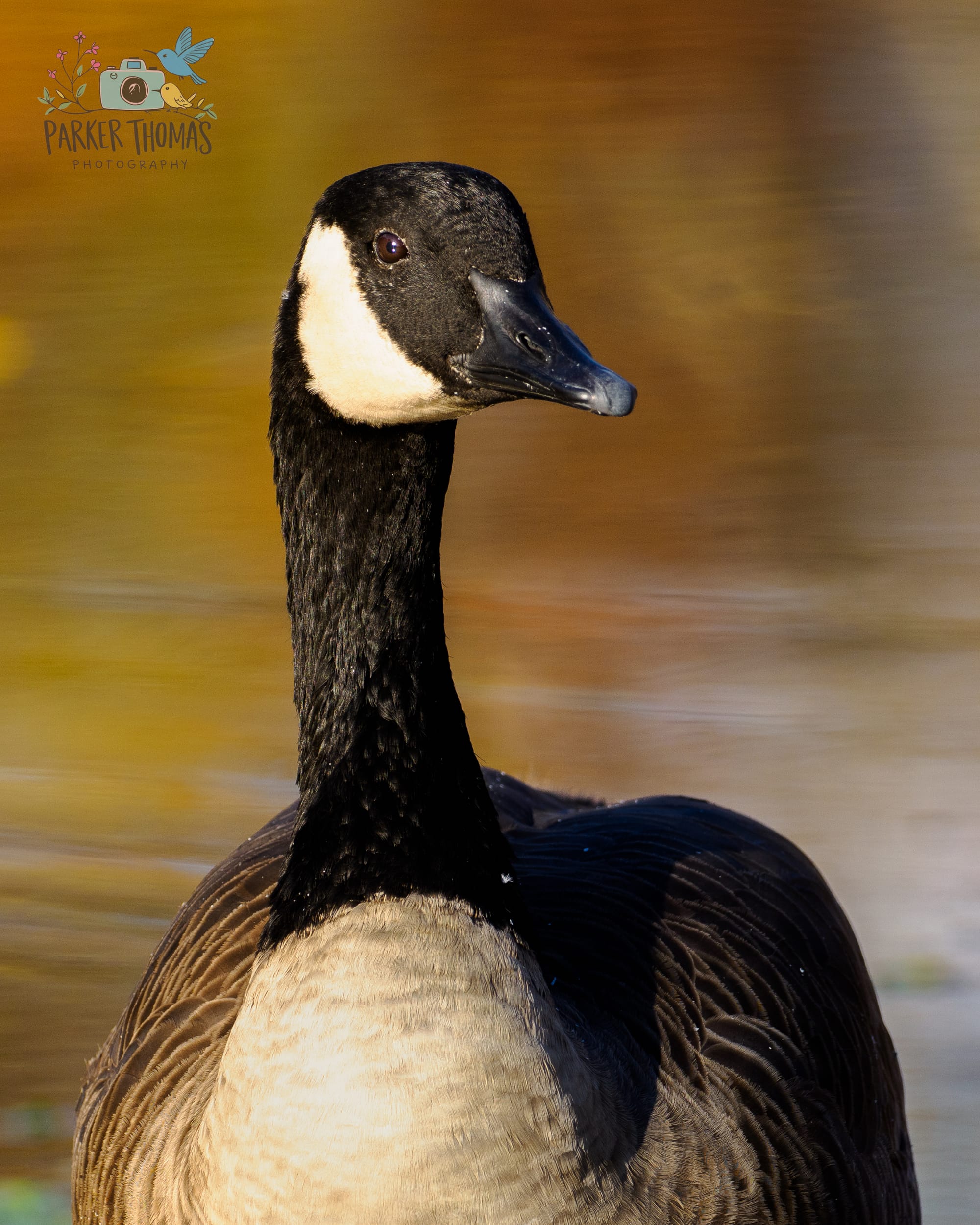
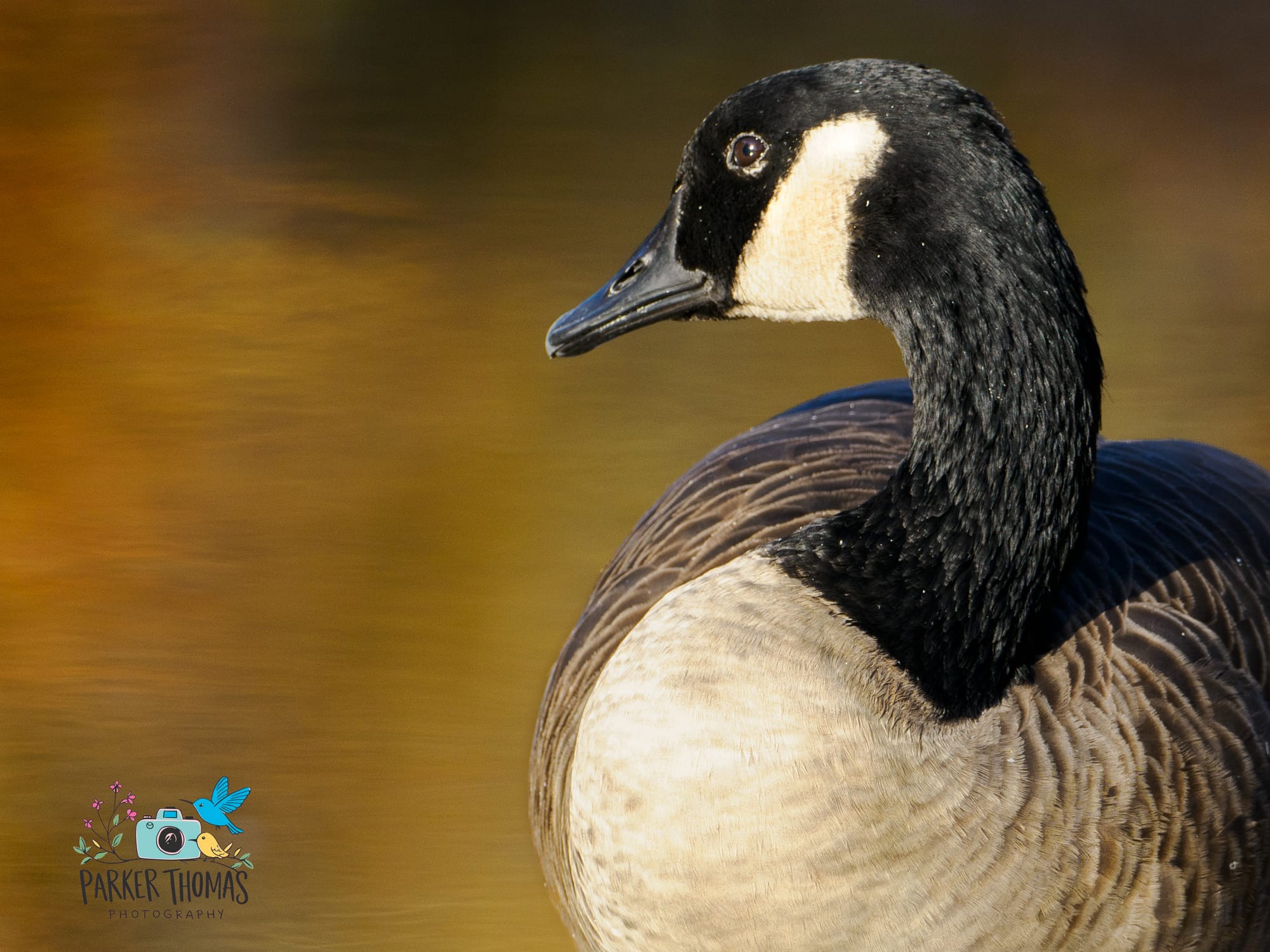
She did get some beautiful shots with it though. Look at those goose portraits. Sharp, clean, great background separation. The glass is excellent. She just wanted her zoom back, and that's okay.
But this challenge wasn't really about her. It was about me.
The Real Test
OM System didn't send this gear because they wanted to convert a Nikon shooter. They sent it because they wanted to see if their flagship kit could keep up with how I actually work.
And how I work is... a little unhinged.
I shoot handheld, which is kinda the big selling point of OM compared to my usual 10 lb setup. I chase tricky light. I'm out at dawn when the fog is thick and the exposure is a nightmare. I live for backlit subjects, dramatic shadows, and the kind of high-contrast situations that make older cameras fall apart. I shoot reactive, not planned. Birds don't wait for you to set up a tripod.
So that was the test. Not whether OM System makes good cameras, I already knew that from watching my daughter use hers. The question was whether their pro glass could handle the way I shoot.
Turns out? It did pretty well.
Moody Conditions
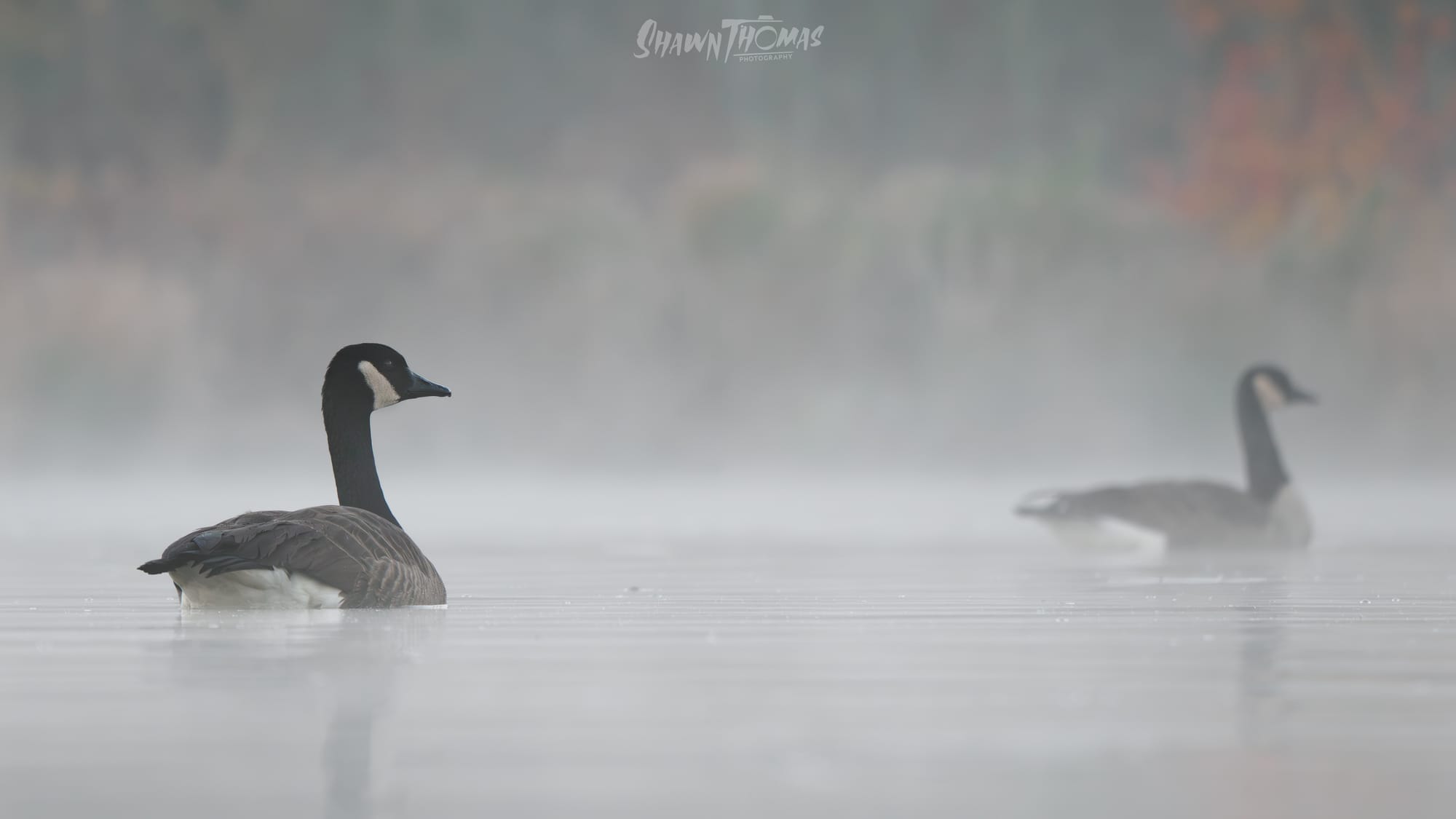
Geese in fog - OM 1 Mk 2 and 150-400
I shoot moody. I shoot fog. I shoot what shows up.
This was Canada geese floating through mist at dawn. Low contrast, tricky exposure, the kind of light that looks like nothing special until you see the image. You don't need exotic locations or rare species to make something worth looking at. You just need to show up when the light is weird and the conditions are atmospheric.
The OM-1 Mark II handled the low contrast and tricky exposure without complaint. This is what the challenge was really about, can the gear keep up with how I actually shoot? So far so good.
When a Zoom Saves the Shot
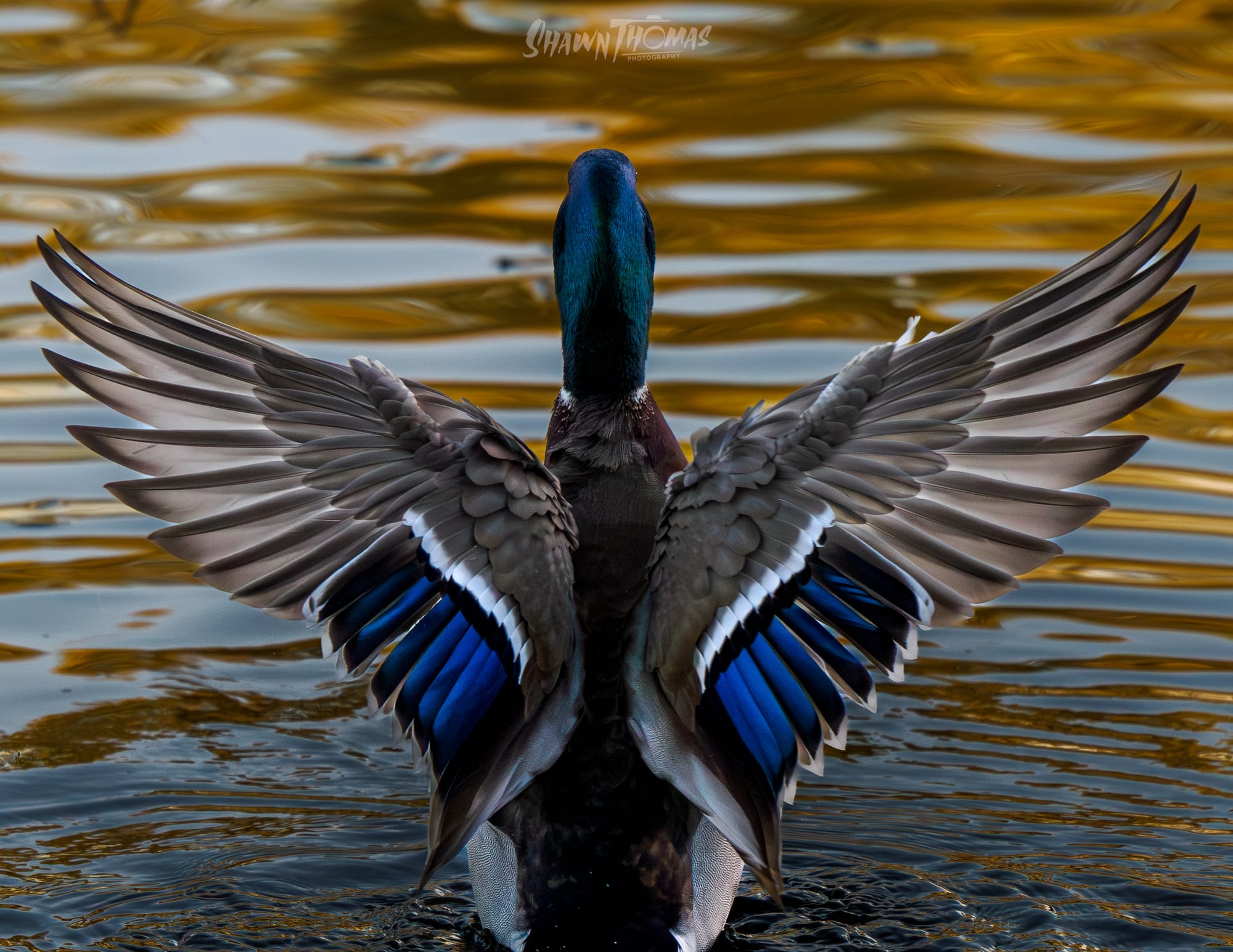
Mallard Wing Flap - OM 1 Mk 2 and 150-400
I wouldn't have gotten this shot with my 600mm f/4.
The duck was too close. Way too close. With a prime, I would've been stuck watching it happen through a viewfinder I couldn't use, the moment unfolding right in front of me with no way to capture it.
But the 150-400 gave me flexibility. I pulled back to around 227mm (455mm equivalent) and still nailed the moment. The autofocus tracked through the wing movement, shutter fired at 1/2500th, and I got the shot.
Sometimes it's not about having the "best" lens. It's about having the right tool when the moment doesn't wait. And I admit that there are days when I miss using a zoom and the artistic flexibility that provides.
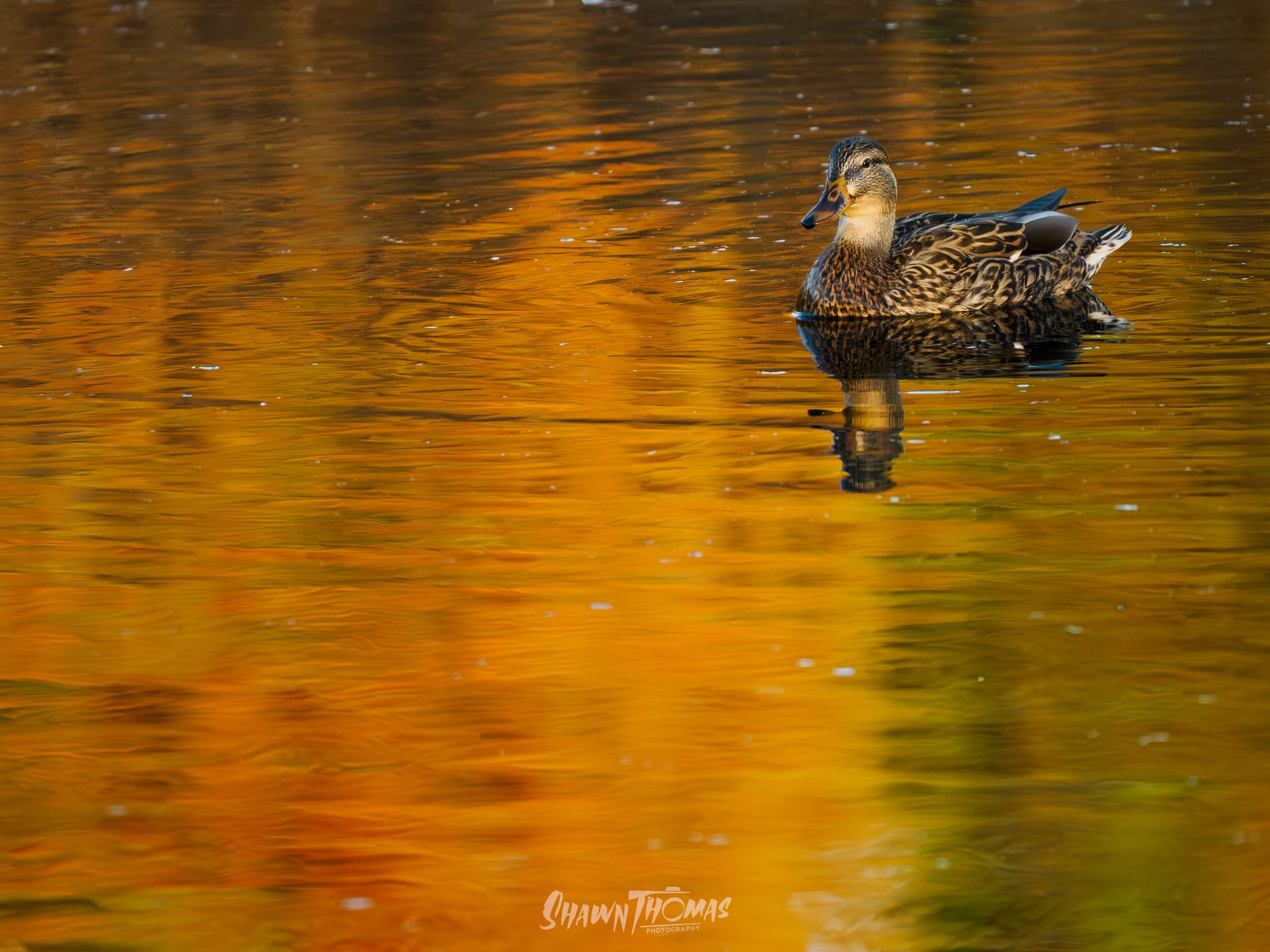
This is a mallard. Most common duck in North America. Still spectacular.
Tricky Light
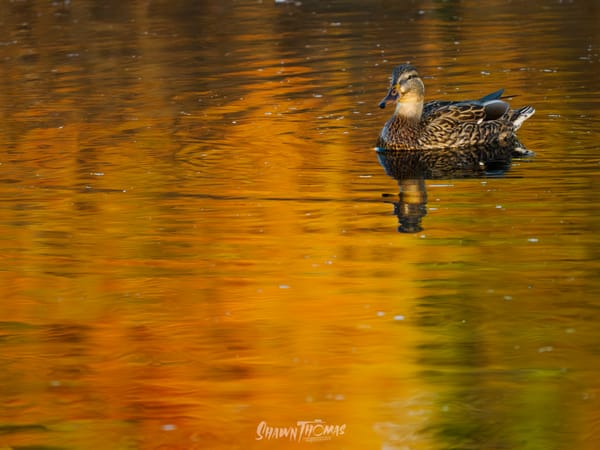
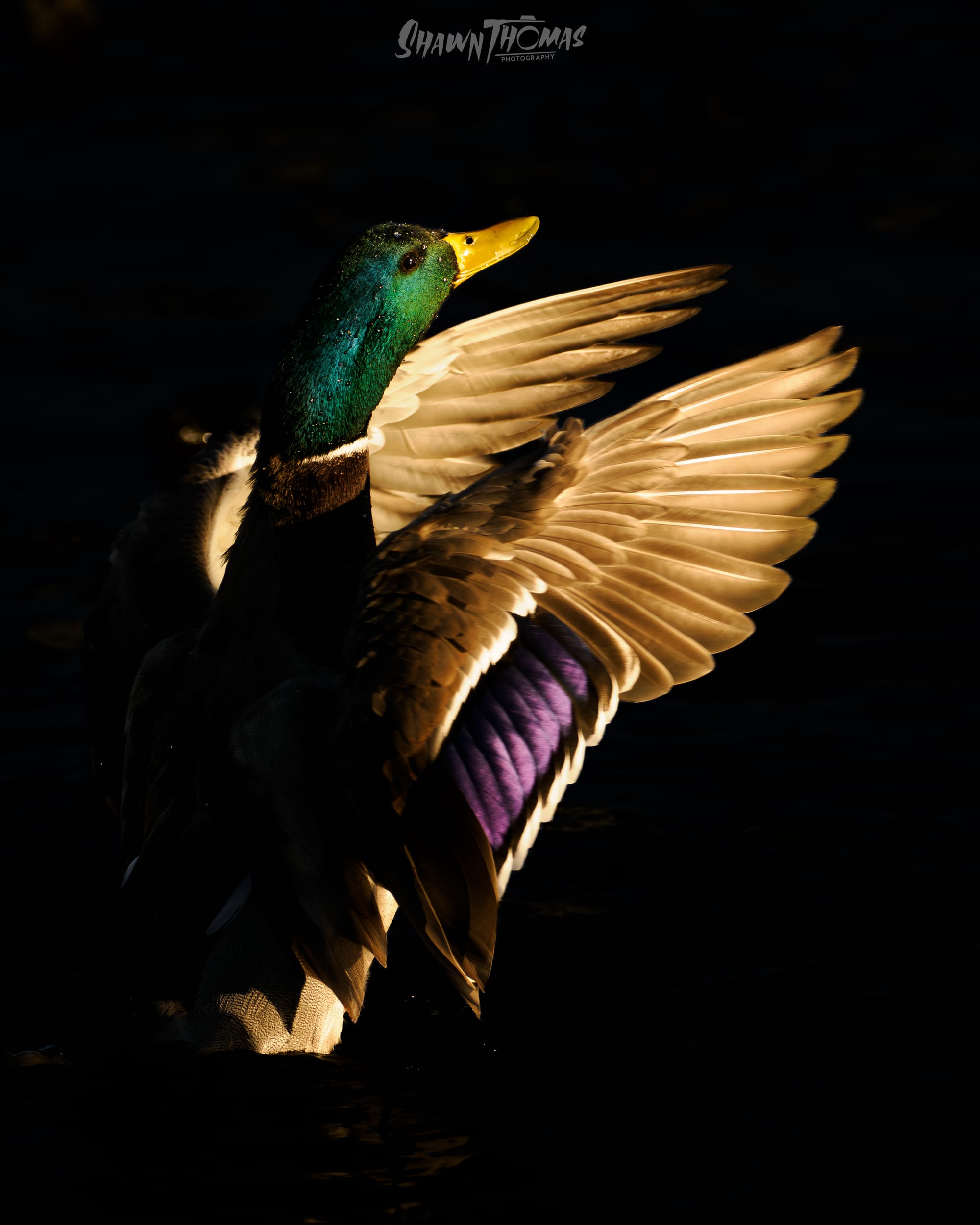
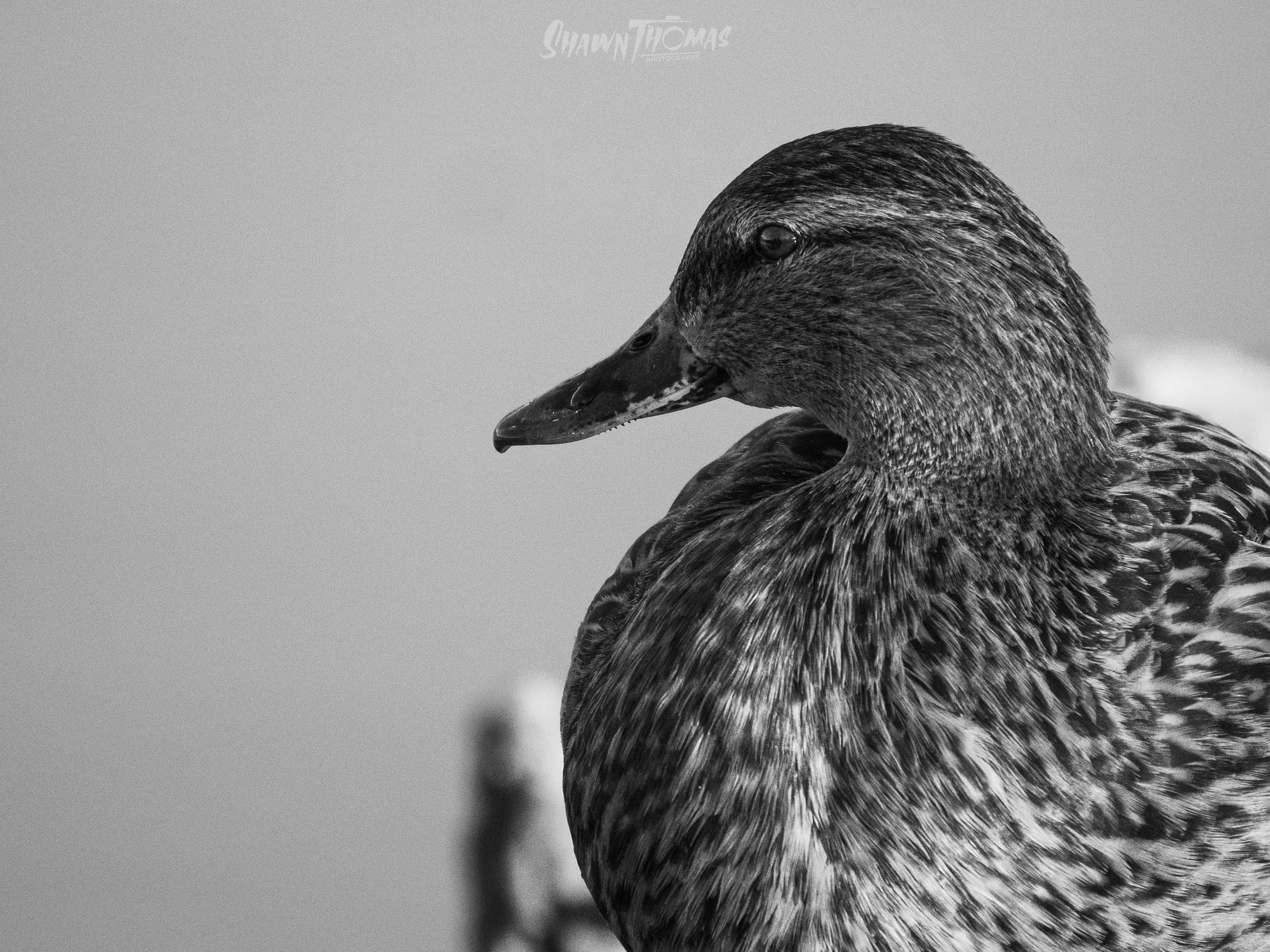
Low Key Mallard - OM 1 Mk 2 and 300 f4
I live for tricky light.
Backlit subjects, dramatic shadows, high contrast, this is where I spend most of my time shooting. It's also where older cameras and cheaper glass tend to fall apart. Flare, washed out highlights, autofocus that can't lock on.
The 300mm f/4 pro handled it without fuss. Clean rendering, no weird flare issues, and the autofocus didn't hunt. Just locked on and got the shot.
Same common bird, completely different mood. That's the point, you don't need rare species or exotic locations. You just need to show up when the light is doing something interesting.
Fast Action
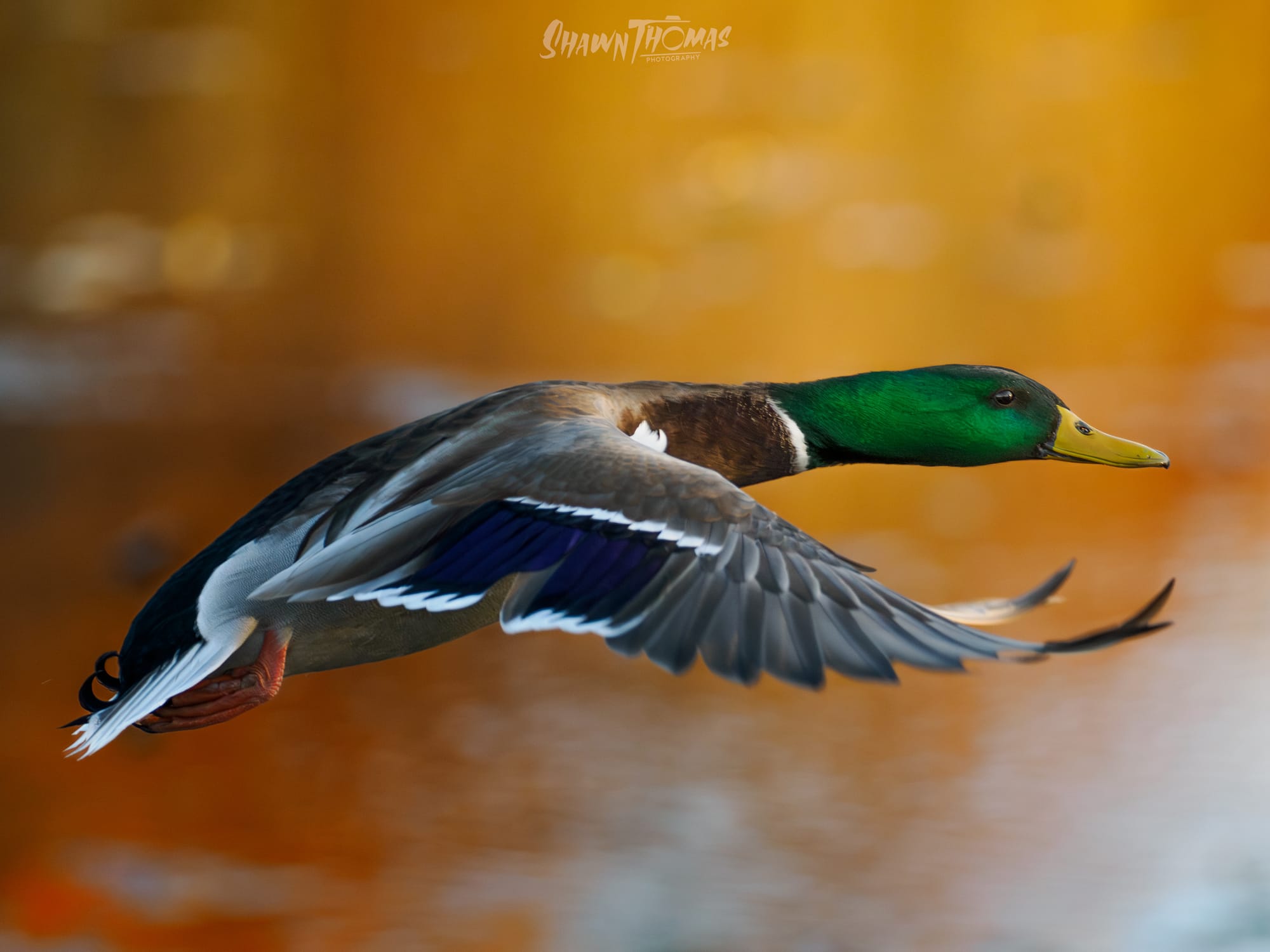
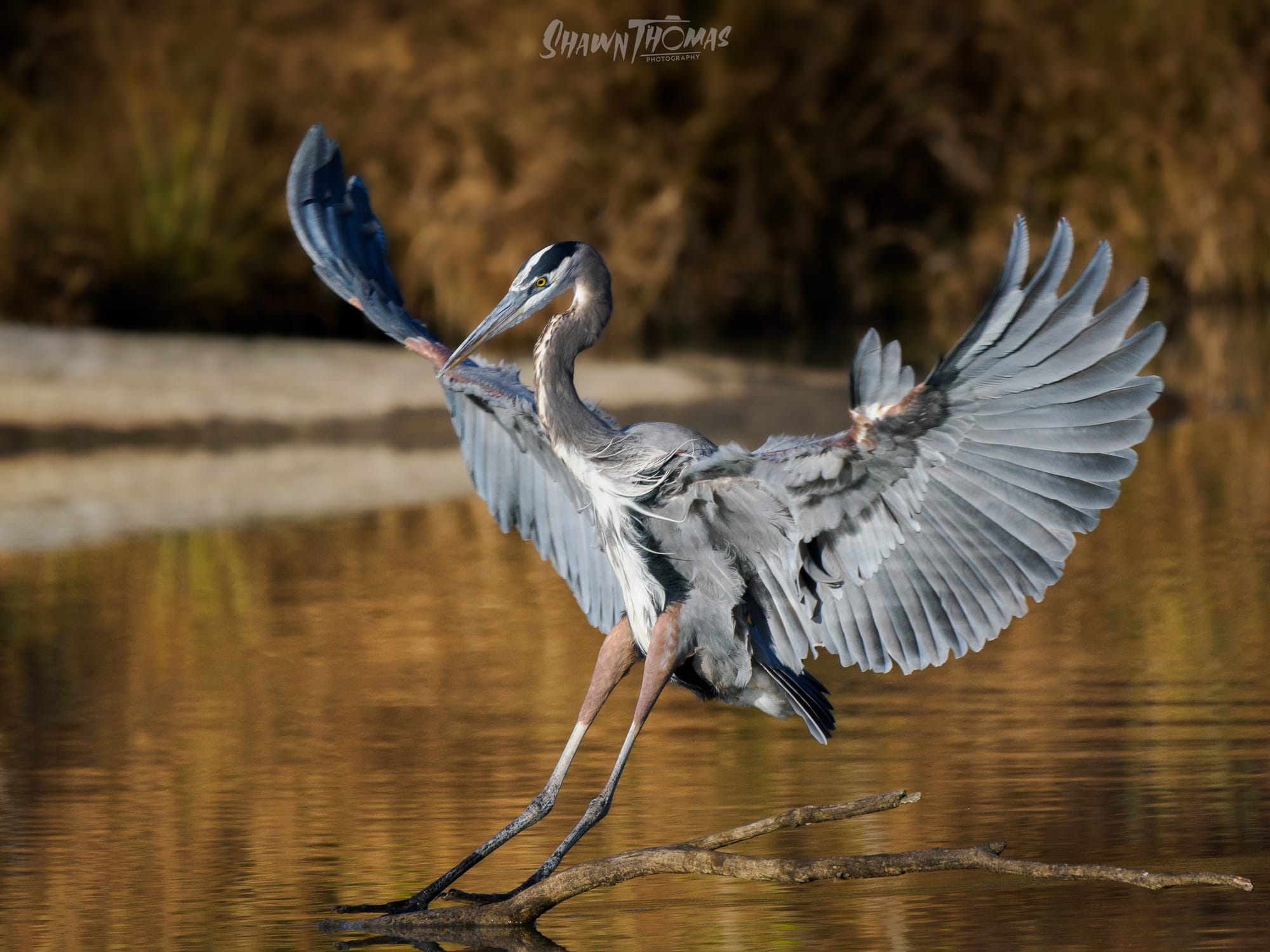
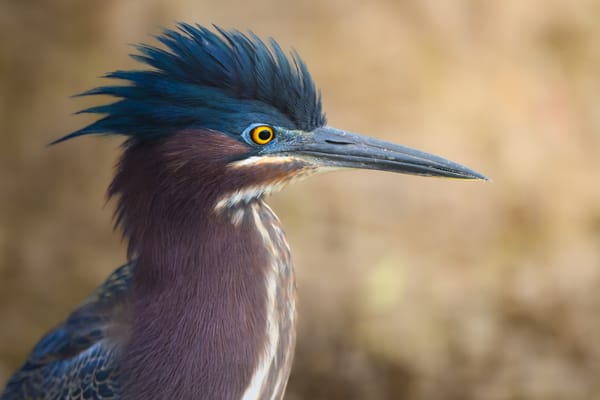
Mallard left: 300 f4 Heron right: 150-400
Fast action is where gear either keeps up or gets left behind. And lets be honest most gear these days handles this stuff great, that being said:
The OM-1 Mark II shoots 50fps raw. That's absurd. The autofocus tracked through wing beats, locked on moving subjects, and didn't let go. If I'm being honest, it might be stickier than my Nikon's AF.
My only complaint? No simulated shutter sound option. I kept not realizing I was shooting and blowing through the buffer. That's my problem, not the camera's, but it still drove me a little crazy.
Mallard BIF at 300mm, heron landing at 500mm. Both handheld, both reactive shots. The system kept pace without hesitation. The mallard especially was very close IE there is no crop and completely reactionary, a very hard shot overall to grab.
The Crop Constraint
Smaller sensor, fewer megapixels. Can't crop as much. I crop a lot too, it's just part of the game. I try not to get too close or disturb the subjects, and more often than not you just can't get closer in the places I shoot. Theres usually water, and it's a protected area and I will never advocate for breaking rules in a protected area. Slight sidebar but always remember that at a wildlife refuge, you are the guest there, be respectful, stay on the paths.
Anyway back to it, at first, that felt limiting. With my Nikon, I can crop aggressively and still have plenty of resolution left. With the OM system, I had to get it closer in camera or the shot didn't work. That constraint forced me to think differently.
Instead of filling the frame with the subject, I started composing wider. Environmental portraits. Context. Telling a story with habitat instead of just isolating the bird.
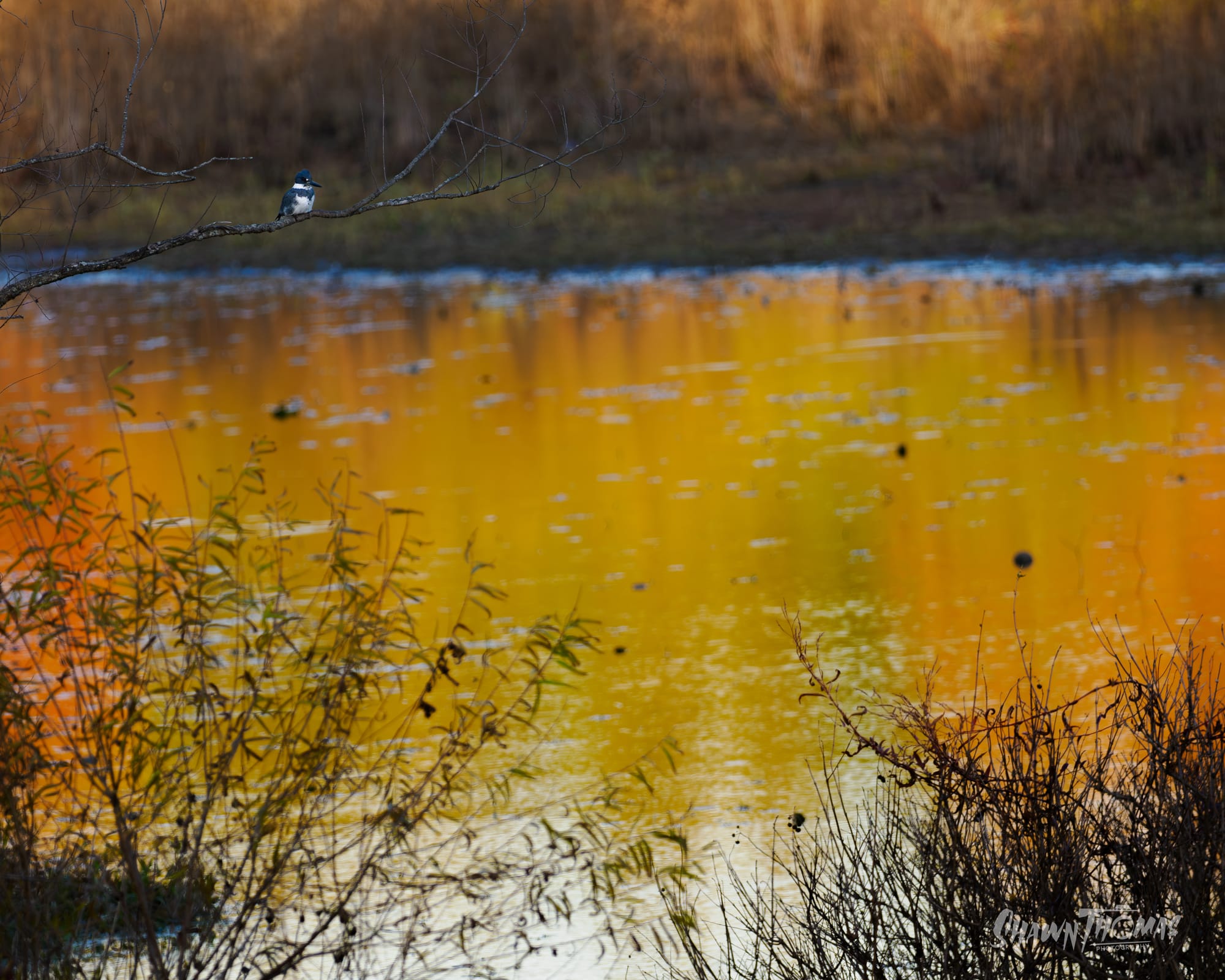
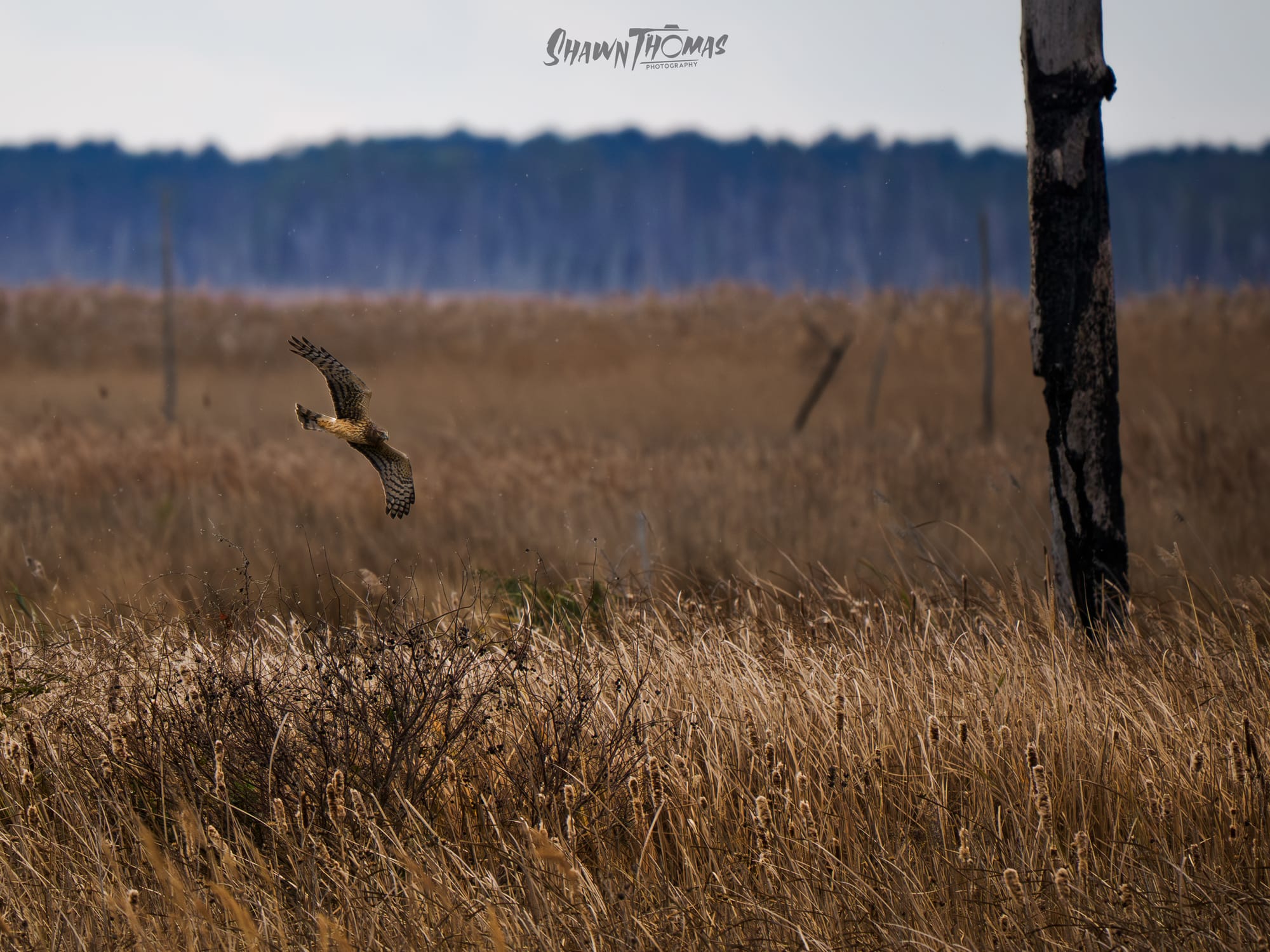
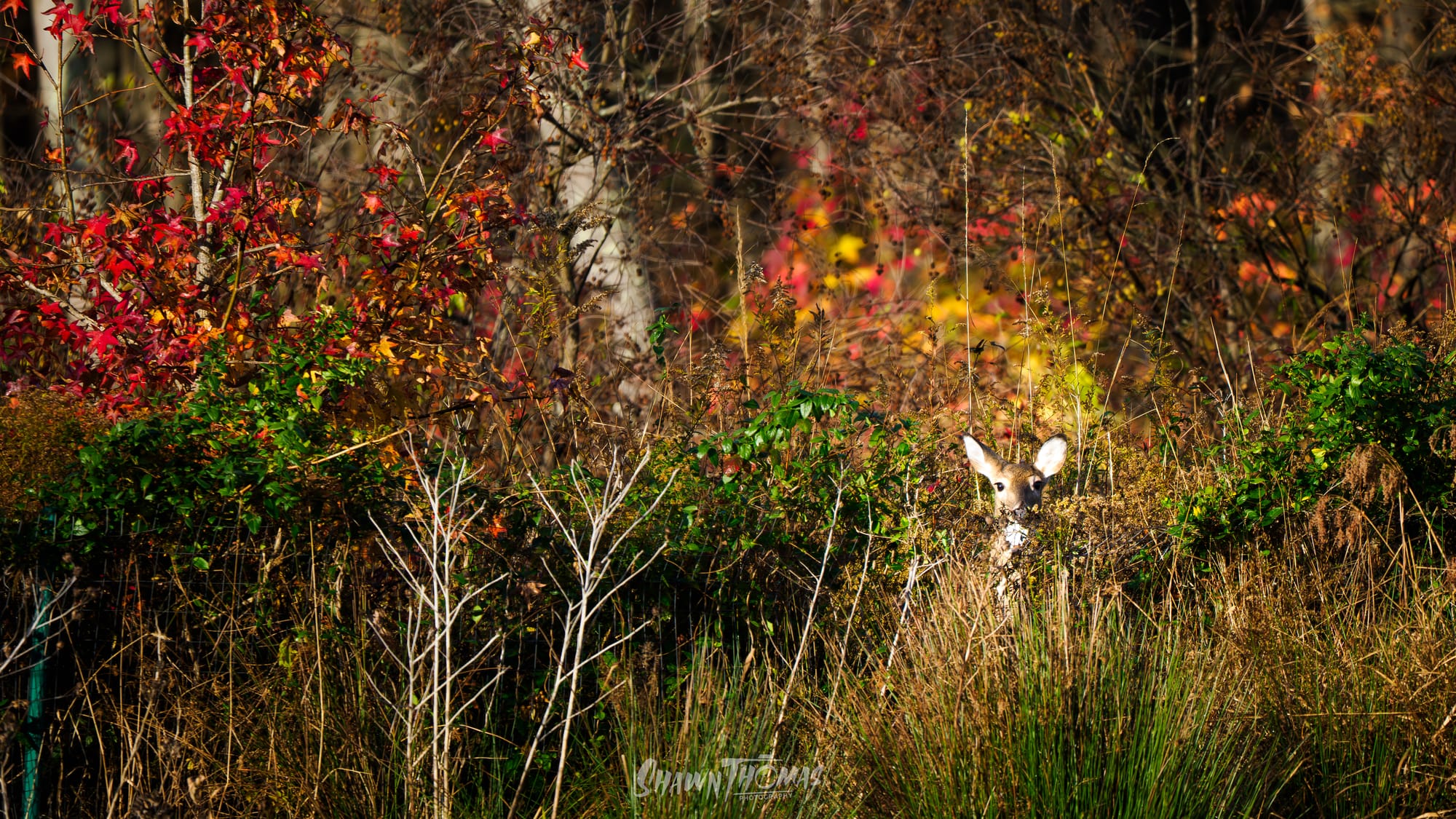
The kingfisher tiny against golden reflections. The deer peeking through fall color. The hawk in the landscape. These aren't shots I would've taken otherwise, and honestly I'm glad I did.
It's easy to lean on cropping in post. Having that option taken away made me be more intentional with composition in the moment. That's not a criticism of the gear, it's just what happens when you work within different constraints.
Stretched me as a photographer, and I appreciate that.
The Honest Take
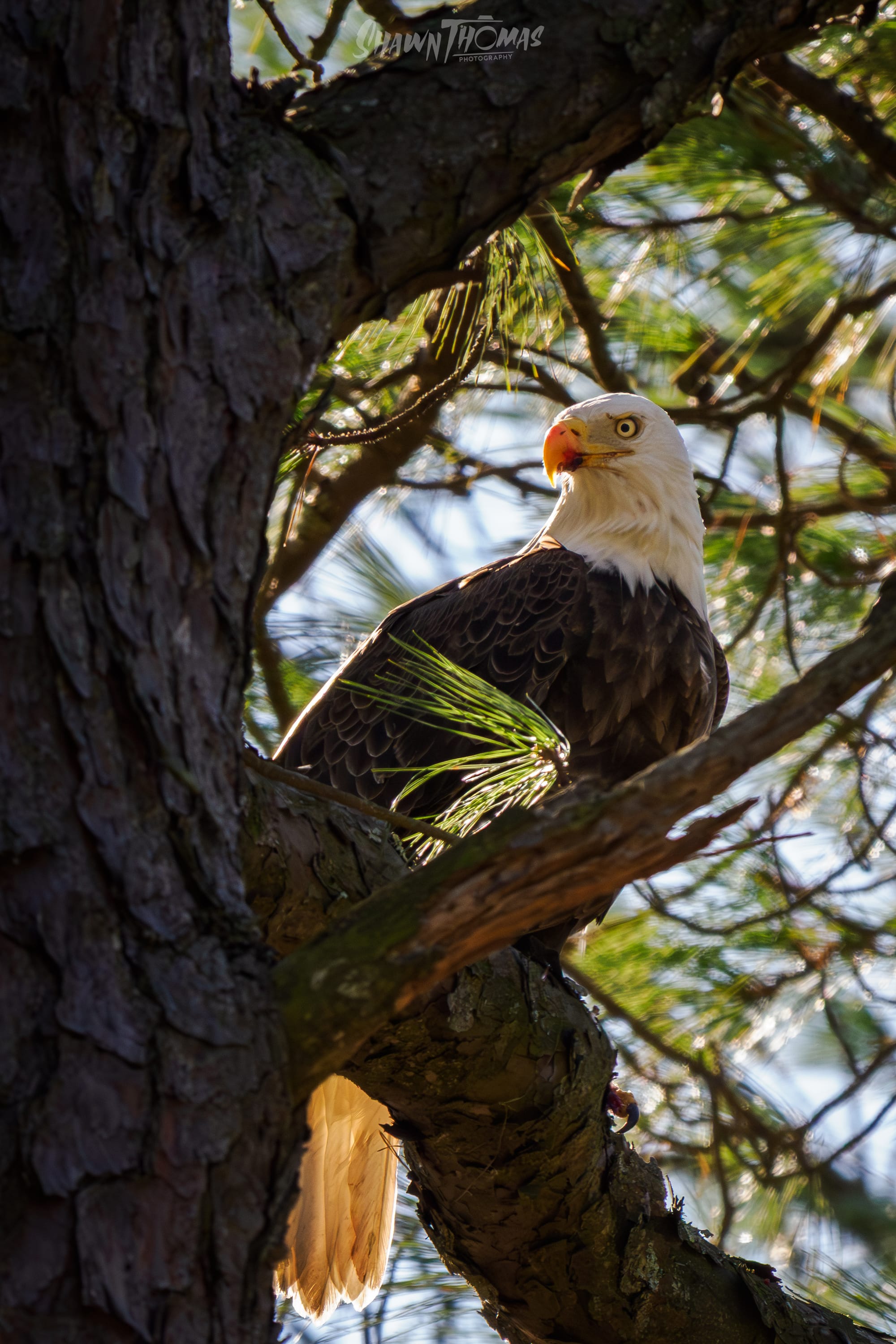
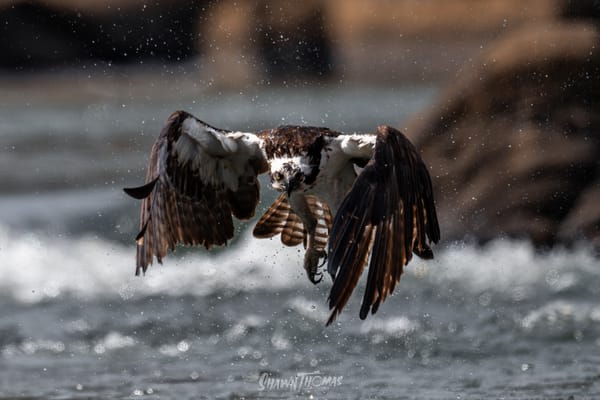
Bald eagle, backlit through branches.
The gear kept up.
They make a fantastic camera. Some of the coolest tech I've ever seen in a body, 50fps raw, autofocus that sticks like glue, build quality that feels bombproof, weather sealing that actually works. And it's half the weight of my usual Nikon rig. Half. That matters when you're hiking miles or shooting all day. I had a blast using it. And that's not including the computational photography modes I didn't even test.
I have to admit though, it's held back by the smaller sensor. The dynamic range isn't there. You can't crop as much. It's noisier at higher ISOs. All manageable problems, and modern noise reduction helps a lot, but they're still real trade-offs you need to know about going in.
Would I recommend it?
I literally recommended it to someone at my local camera shop this week. It's a serious system that can produce serious work, just look at the images I got in a month, with an unfamiliar system, when the species pickings were in transition so I had ducks. My daughter uses it and wins competitions with it, but this isn't just a "kids camera." It's a legitimate wildlife photography system with real advantages, especially if weight and portability matter to you.
For me? I'm not ready to hang up my Nikon stuff just yet. But that doesn't mean this isn't a great system for the right photographer. Different needs, different tools.
This was never about converting anyone. It was about seeing if their best could handle my style. It did. And most importantly, I had a blast getting an opportunity to try something new, and getting to shoot the system my daughter uses every day.
The gear earned my respect. I'm glad I took the challenge.
You can follow my daughter's photography journey on Instagram: @parkertphoto
And as always, check out my full portfolio at shawnthomas.art
If you enjoyed this, consider subscribing to the blog. I put out new free content every Tuesday.
Oh, and I'm not affiliated with OM System in any way. They loaned me the gear, I gave them honest feedback. While they aren't sponsoring this they did give me some links to share, one for a sale (who doesn't love a sale?) and one for more resources on birding direct from them.