WILD: Watch
WILD: Watching isn't about patience. It's about curiosity. Here's how learning to read animal behavior will change what you come home with.
– 7 min read
WILD: Watching isn't about patience. It's about curiosity. Here's how learning to read animal behavior will change what you come home with.
I do not have patience. I have ADHD, a short attention span, and I genuinely cannot sit still. I tell people this every time I give a talk on wildlife photography because the first thing most people say when I show them my work is some version of "I could never do that, I don't have the patience." And I want to be clear: neither do I. Not in the traditional sense anyway.
What I have instead is curiosity. And it turns out curiosity is a pretty good substitute.
My approach to wildlife photography is less nature documentarian and more street photographer. I wander. I show up to a spot with no particular agenda and see what the universe brings me. The magic of that approach is that when I find something worth shooting, I'm already engaged, already interested, already watching. That's when the patience shows up naturally, not because I forced myself to sit still, but because something in front of me earned my attention.
Watch is the first principle in the WILD framework and in some ways it's the hardest to teach because it isn't really a technique. It's a mindset shift. And it starts with paying attention to what's actually in front of you.
The side by side
Here's a simple example of what Watch looks like in practice.
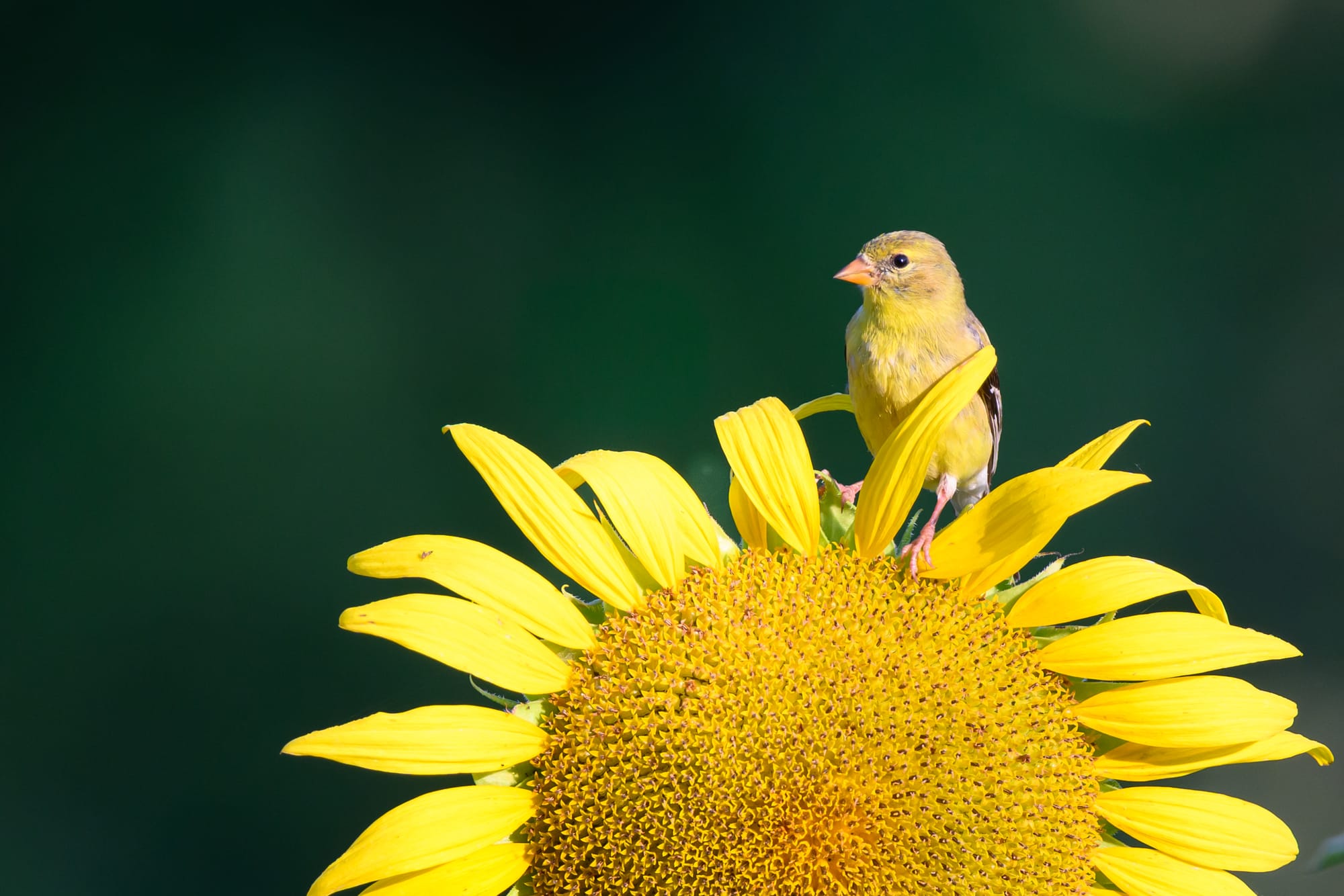
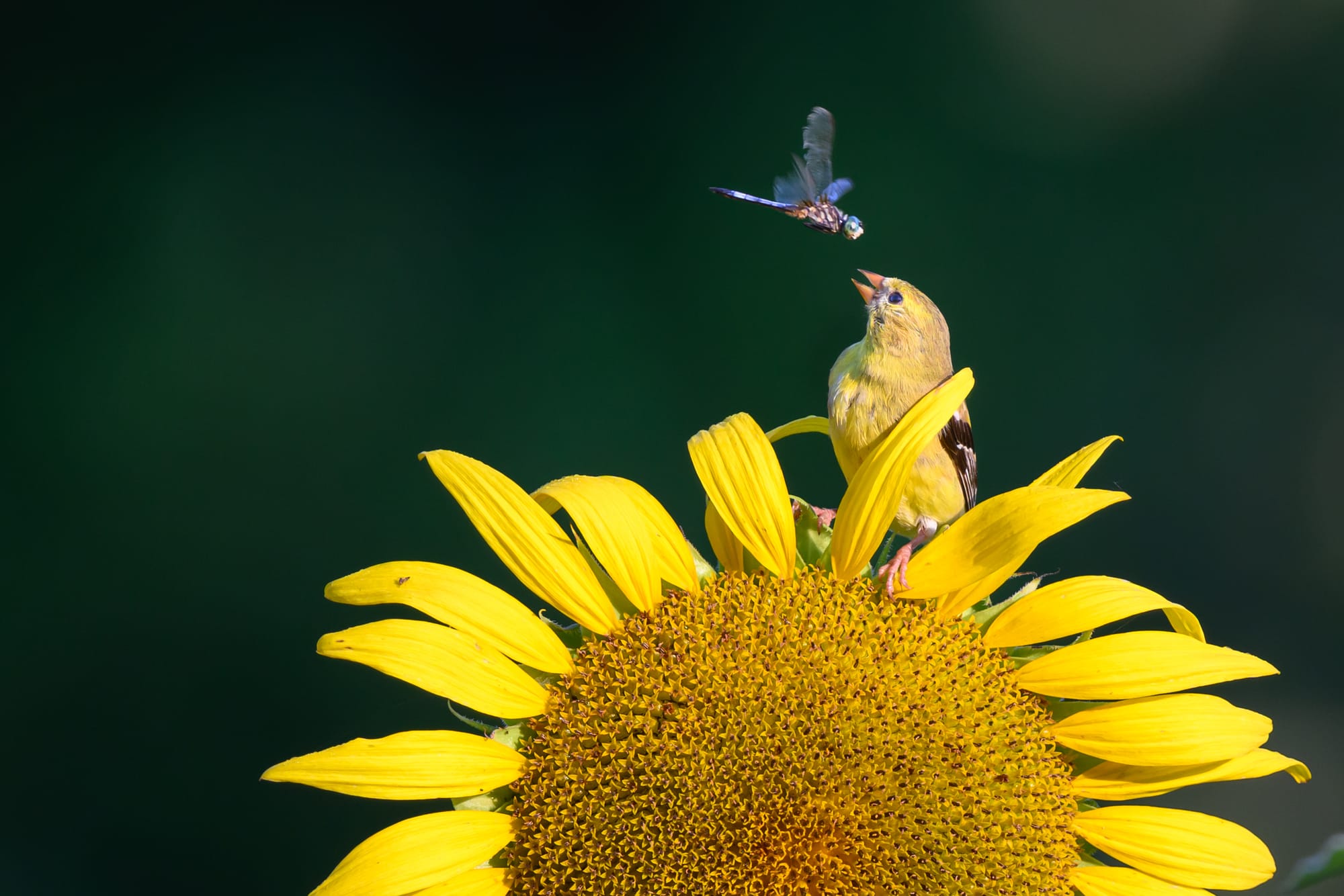
A goldfinch and the same goldfinch with a dragonfly
The left image is fine. A goldfinch on a sunflower, clean background, nice light. Technically nothing wrong with it. But look at the right frame. Same bird, same flower, same light, except now there's a dragonfly arriving and the bird is reacting to it. The whole image has a story now. Something is happening.
The difference between those two frames isn't luck. It's that I stayed. I watched the bird long enough to notice it was tracking something in the air above it. I kept my eye up. I was ready when the moment came.
That's Watch.
Watching is learning
I spend most of my photographic time focused on what many would call common species, ducks, osprey, songbirds, it doesn't really matter to me. I'm generally fascinated by the living things I get to observe and couldn't care less about collecting bird sightings like Pokemon, I care about making beautiful photographs.
Here's the thing about common species that I think gets overlooked: they are the best teachers you have access to. You don't need to travel somewhere exotic to develop this skill. You need a local pond and some time.
Take waterfowl. If you spend enough time watching ducks you start to notice patterns. Before a duck comes up for a big wing flap and shake, it will dip its head into the water multiple times first. Every time. It's a tell, as reliable as a poker player touching their face. Once you know it you can never unsee it. You pre-focus, you get ready, and when that head goes down for the third time you already have your finger on the shutter.
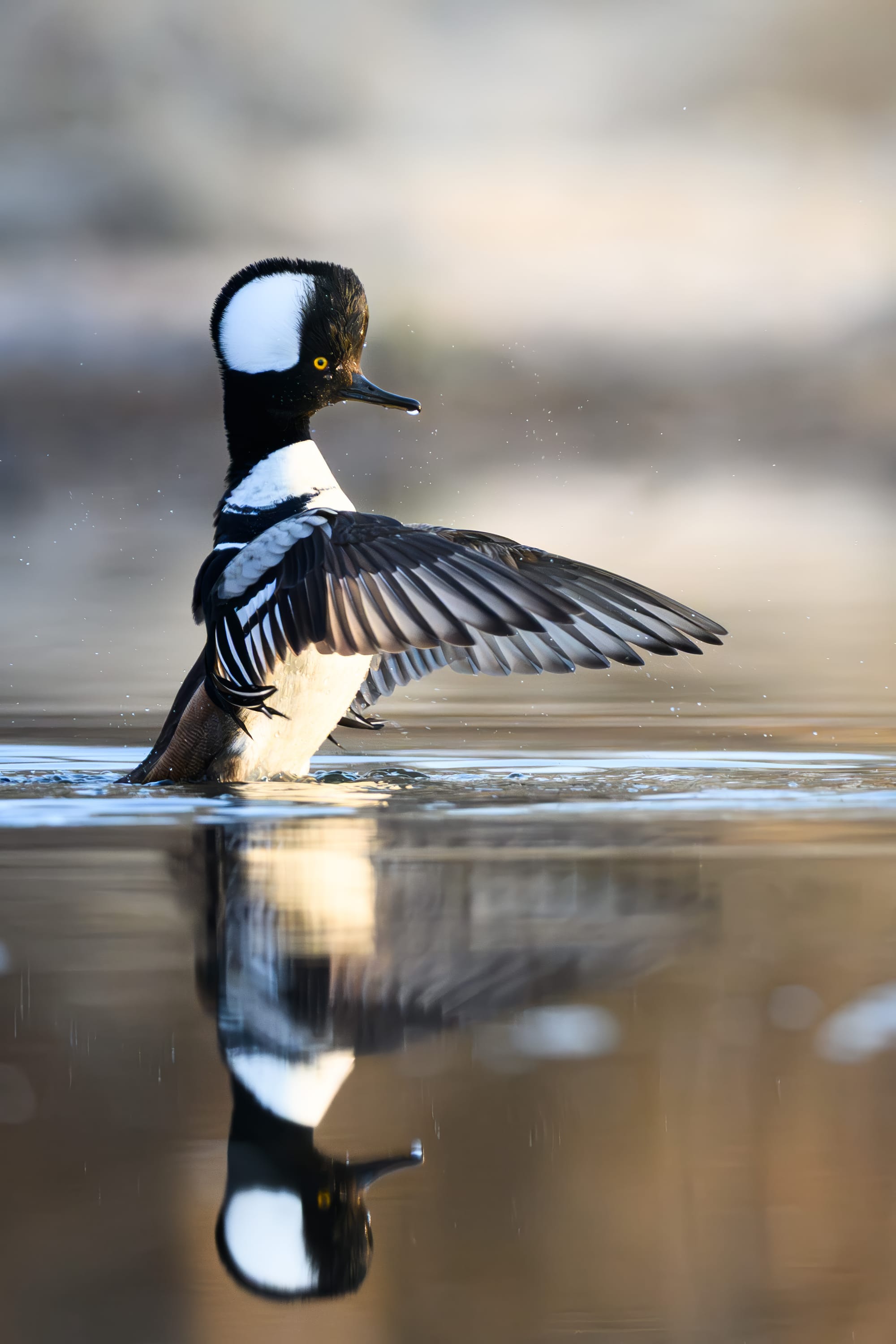
That's not patience. That's preparation. And the only way to get there is to spend time with common birds until their behavior becomes readable to you. The species doesn't matter as much as the time you put in.
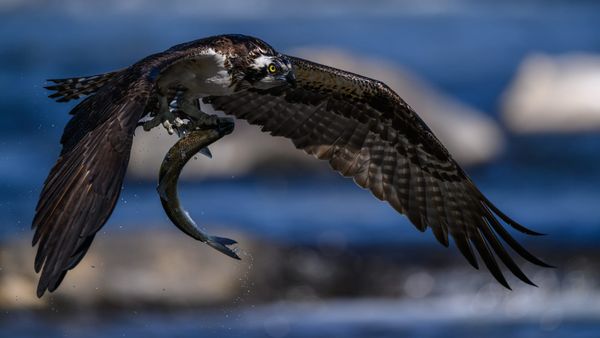
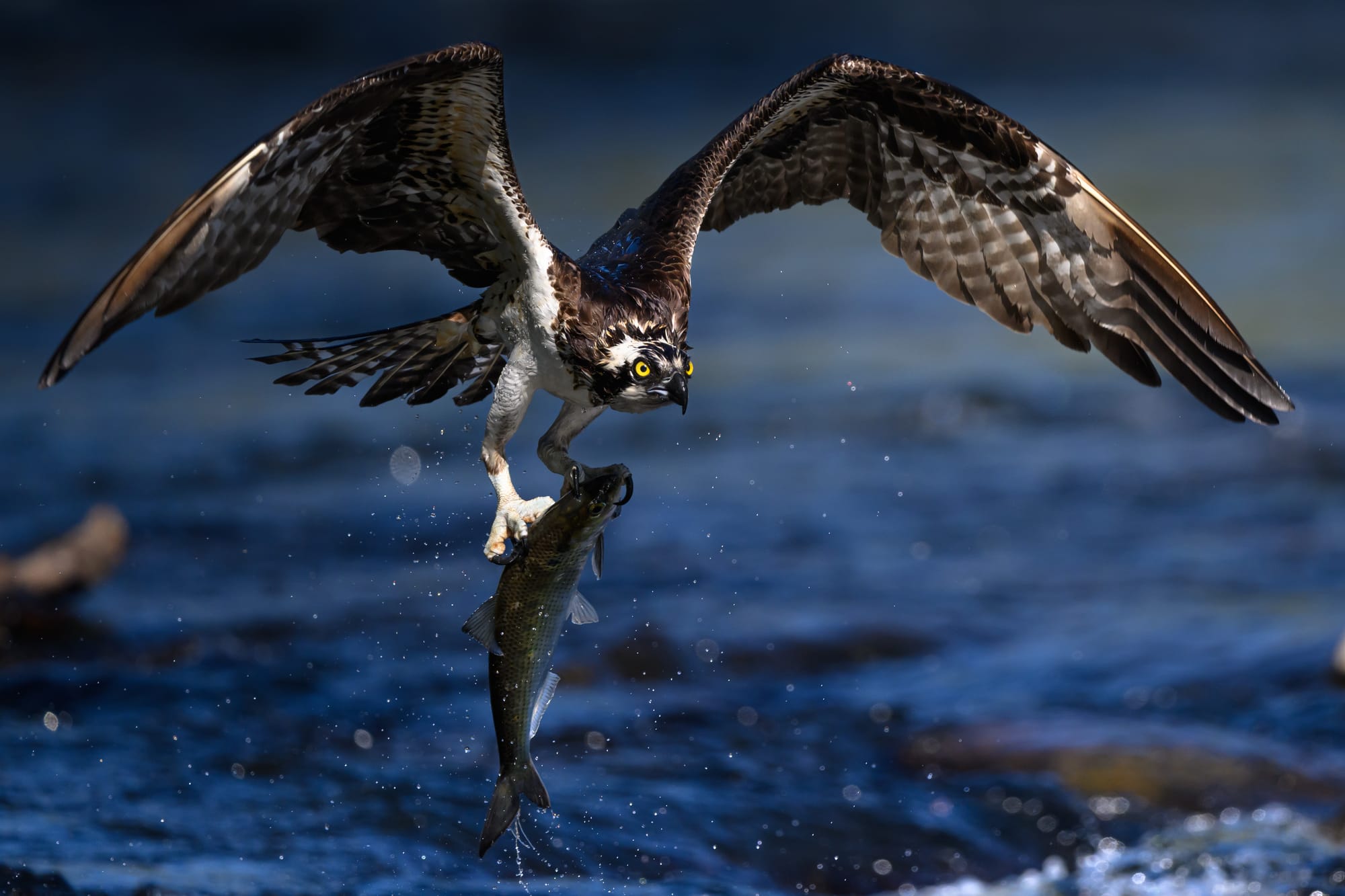
Osprey are another great example. They have a hunting pattern that, once you understand it, tells you almost exactly where to point your camera. When an osprey spots a fish it hovers. It adjusts. It tucks. Then it drops. If you're watching the hover you have a second or two to track, frame, and be ready for the dive. If you're just scanning the sky hoping to catch something you're always going to be a beat behind.
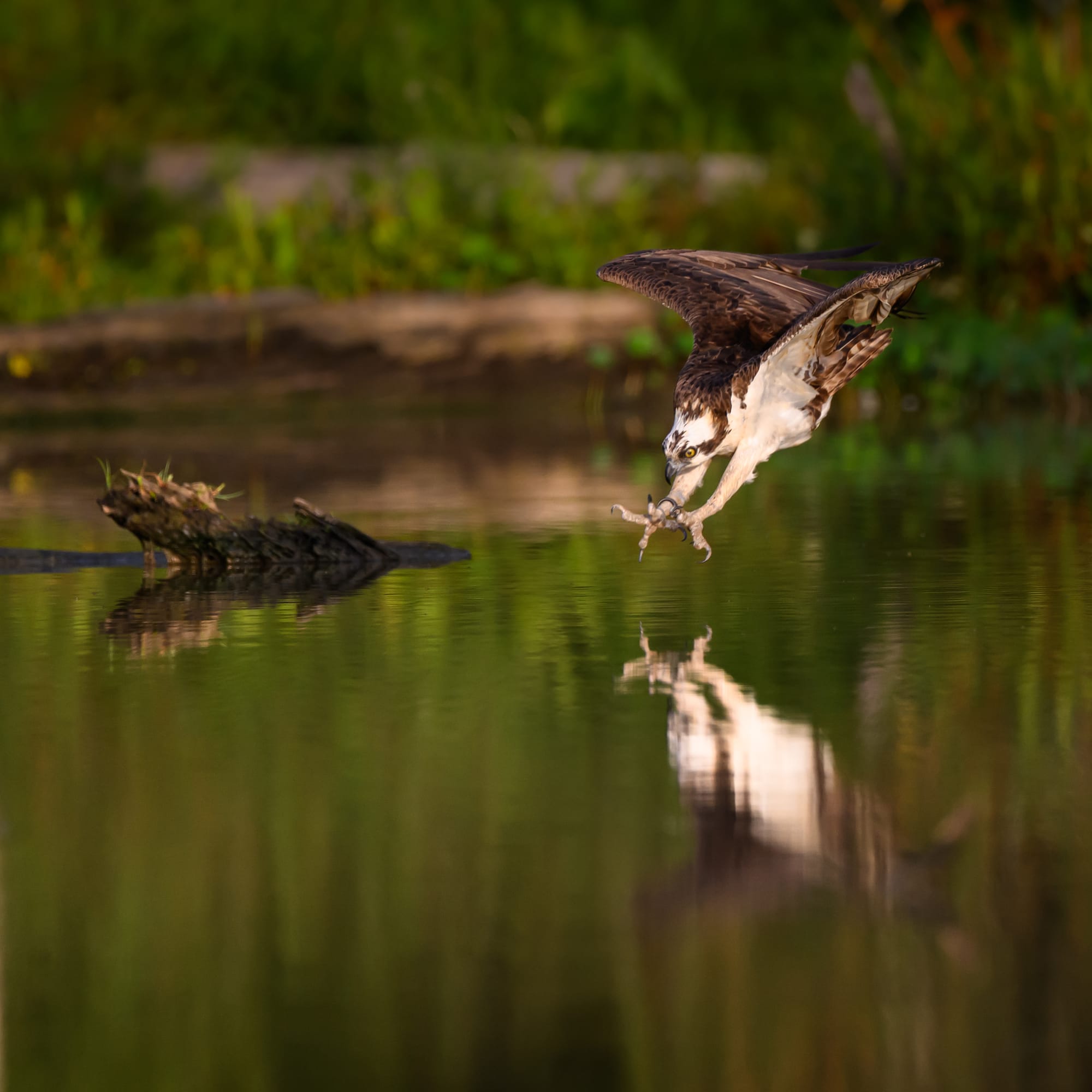
The fish in the talons shot, the one where you can see the water still dripping, the wings fully extended on the way back up — that doesn't happen by accident. It happens because you watched the bird work the water for ten minutes first and knew what was coming.
Frequent your spots
This is probably the most practical piece of advice in this whole post. Find two or three locations near you and go back to them repeatedly. Not just once. Over and over, in different seasons, in different light, at different times of day.
There is a spot I go to so often, Huntley Meadows park to be exact, that I know which log the great blue heron prefers in the morning fog. I know which tree the kingfisher uses as a lookout. I know which section of the bank the wood ducks come around in the evening. None of that knowledge came from one visit. It accumulated over dozens of them.
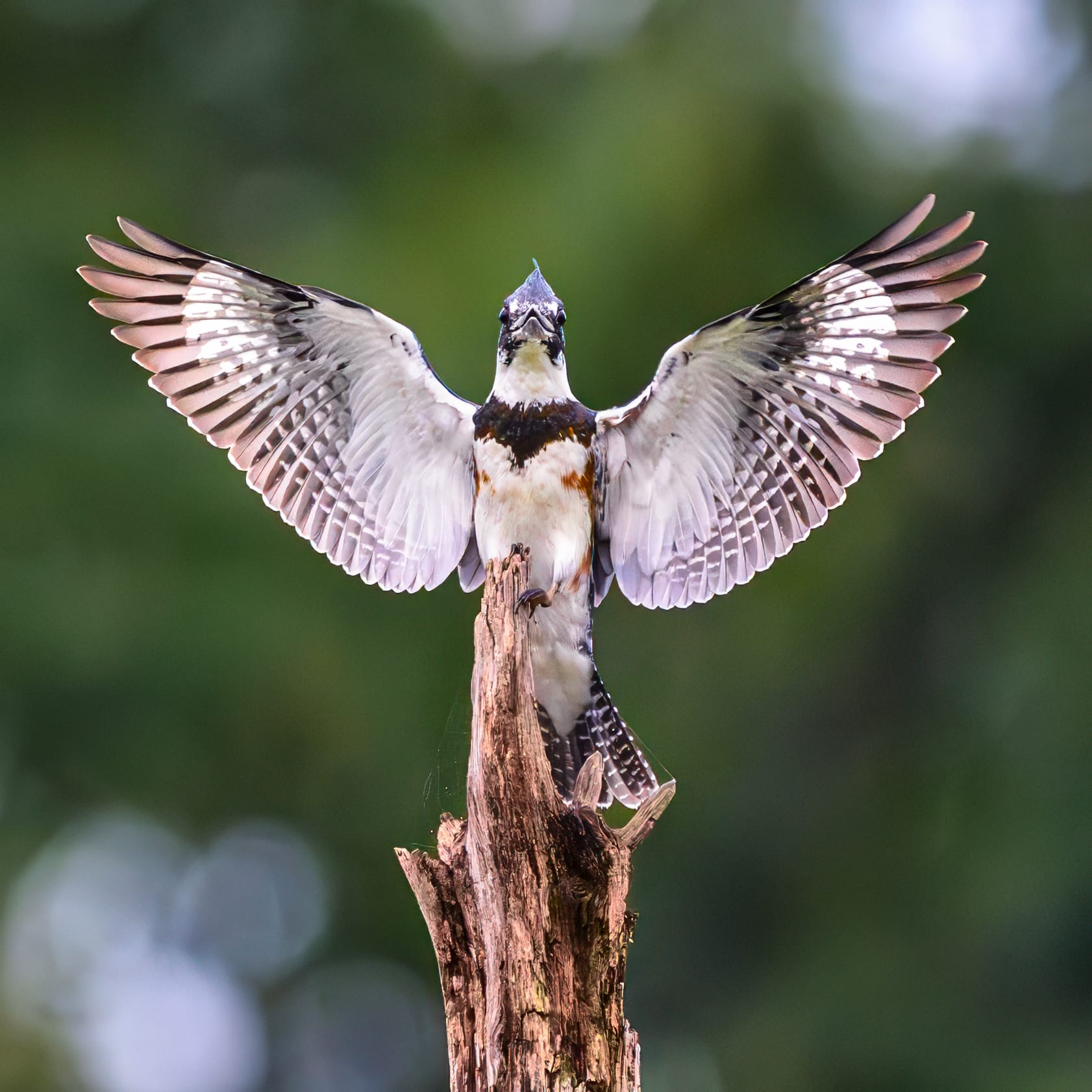
When you know a place that well, you stop reacting and start anticipating. You position yourself where the light will be good before the bird arrives. You're already low, already framed, already ready. The shot that looks like luck to everyone else is actually the product of twenty previous mornings at the same spot.
This is also why common species matter so much. The birds you can find at your local park, your nearest water, your backyard even, are the ones you can study consistently. A rare bird is exciting but you get one shot at it, usually in bad light, usually from too far away. I would also argue that conservation starts by making the things around you visible and beautiful, and that those common birds deserve the same respect and treatment as any other animal you point a camera at. They don't know they are common, a rare bird doesn't know it's rare. My goal has always been to take beautiful and compelling photographs, everything else is a bonus.
Reactive photography and what to look for
When I'm out wandering and I find a subject, here's what I'm actually watching for before I even think about pressing the shutter.
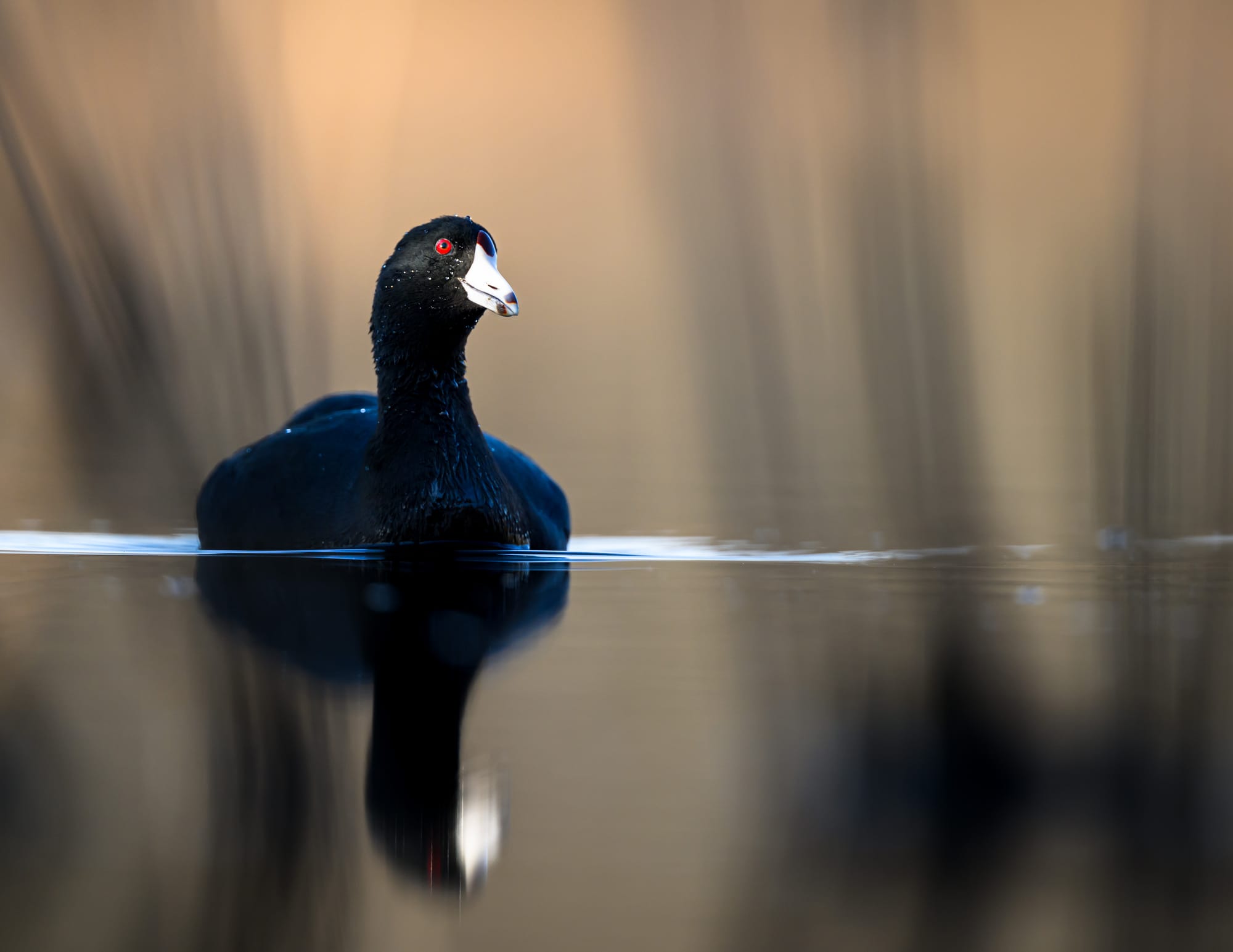
Eye line first. Where is the bird looking? An animal that's alert and tracking something is about to do something interesting. An animal that's relaxed and preening is probably going to keep preening. Both can make great images but they're different kinds of images and knowing which one you're in helps you prepare for it.
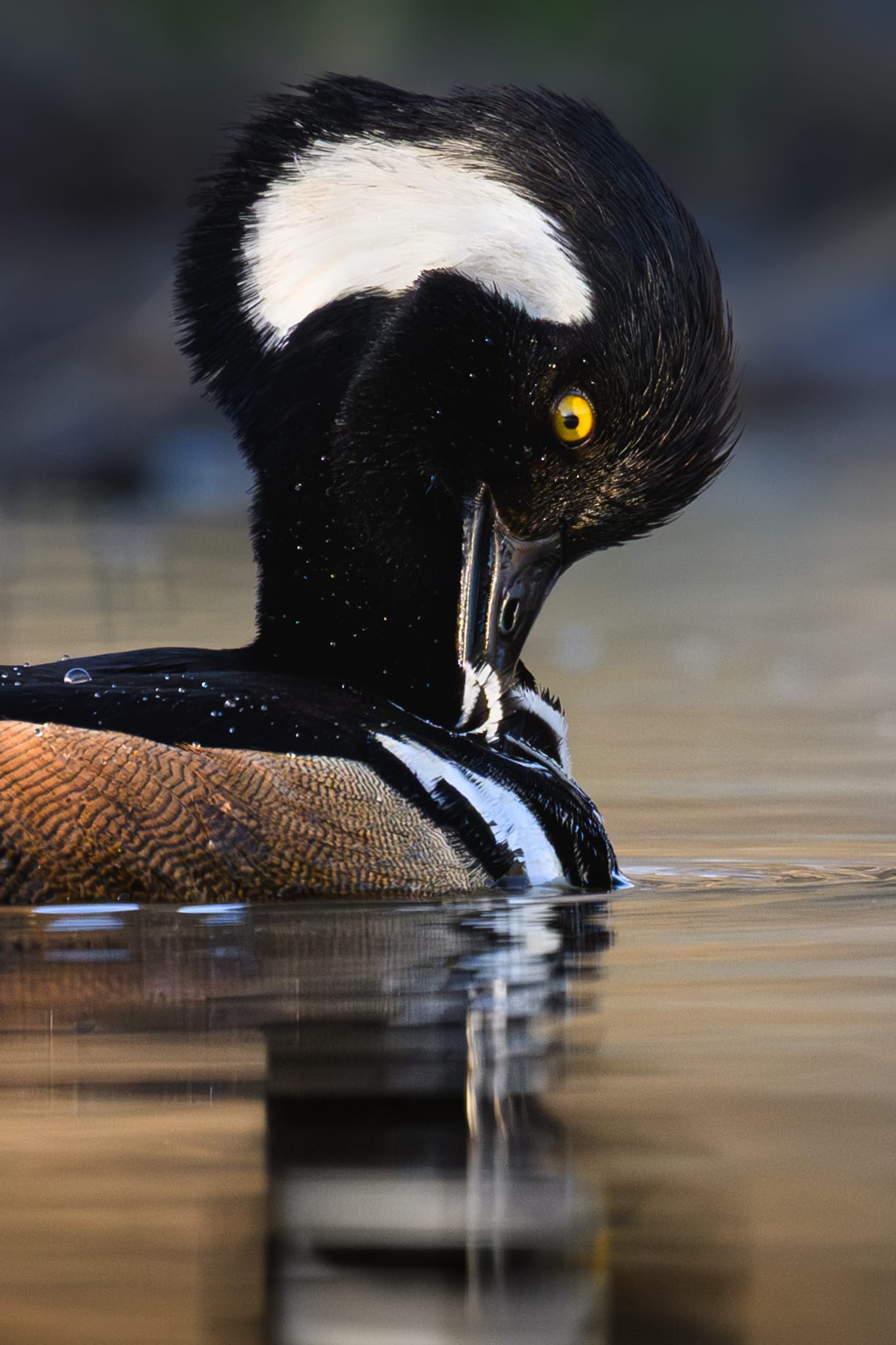
Body language second. The pre-flight posture on most birds is pretty readable once you know it. They crouch slightly, they orient into the wind, sometimes they look back over their shoulder. You start to feel it coming before it happens. Same with hunting behavior, feeding behavior, territorial displays. These are patterns and patterns can be learned.
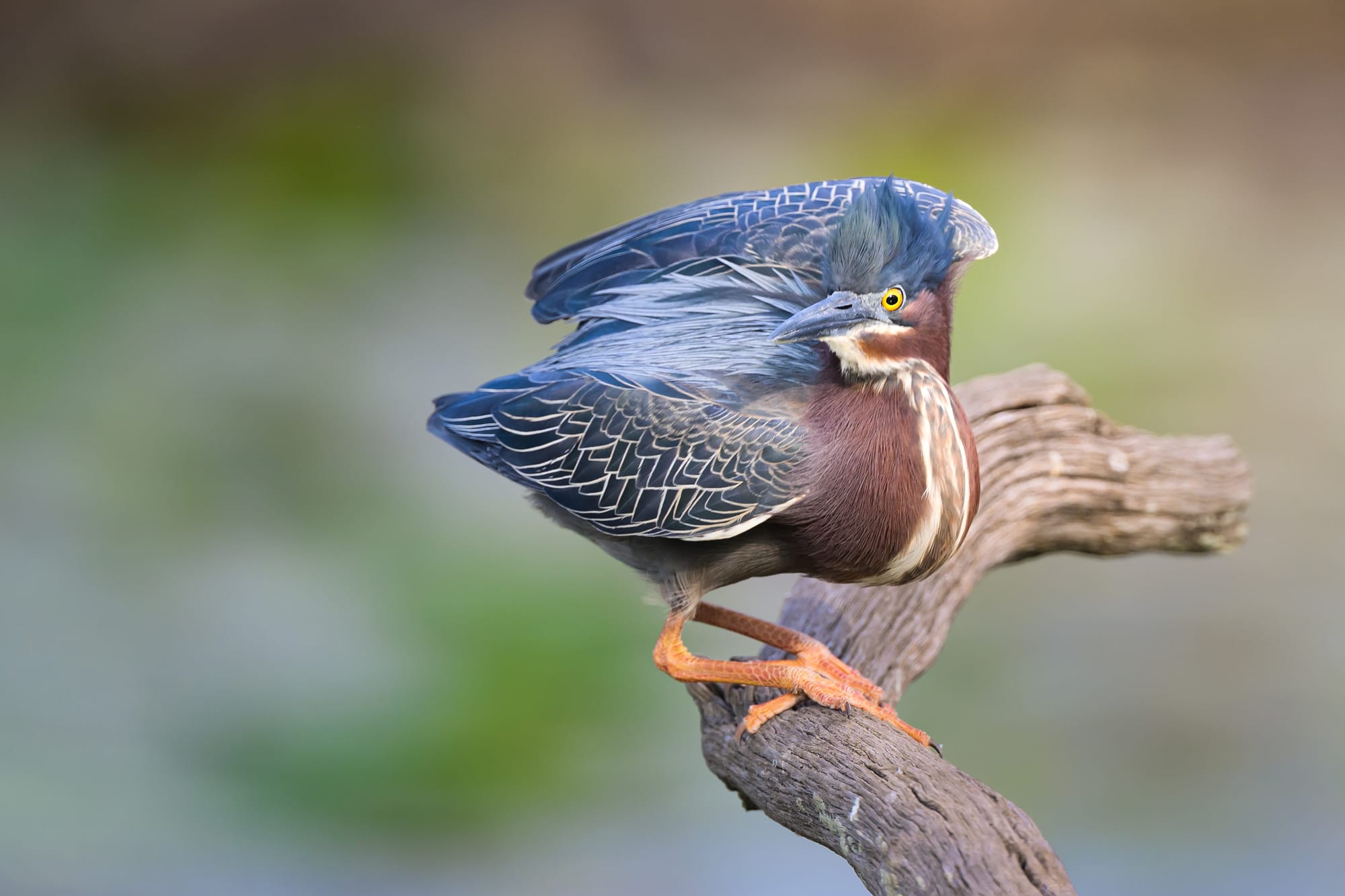
And sometimes you just get lucky. A dragonfly shows up. An eagle drops into frame. A second osprey comes in and challenges the first one over the fish. You can't plan for those moments but you can be ready for them by being present, by watching, by not having your head buried in your camera settings when the world decides to be interesting.
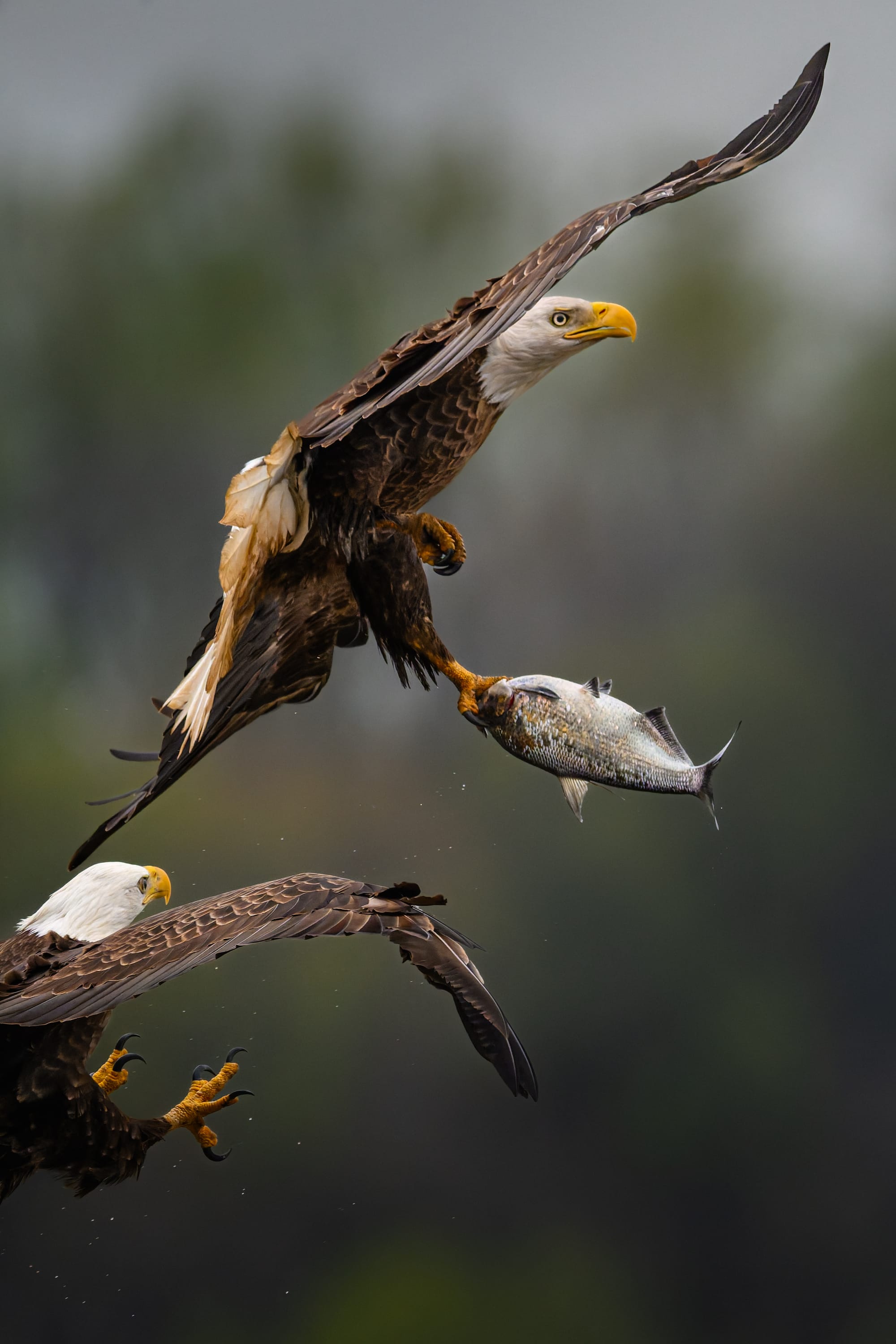
The camera is the last thing you should be thinking about. Get your settings dialed before you find your subject, then put the technical side in the background and just watch. That's where the images come from.
The truth about patience
I want to come back to where we started because I think it matters. The idea that wildlife photography requires some special reservoir of patience that most people don't have is, in my experience, just not true. What it requires is genuine interest. If you're bored watching a duck you're probably not going to make a great image of a duck. If you're fascinated by it, if you want to know what it's going to do next, the time disappears.
Find the species that makes you curious. Go to the place that keeps you engaged. The patience will follow.
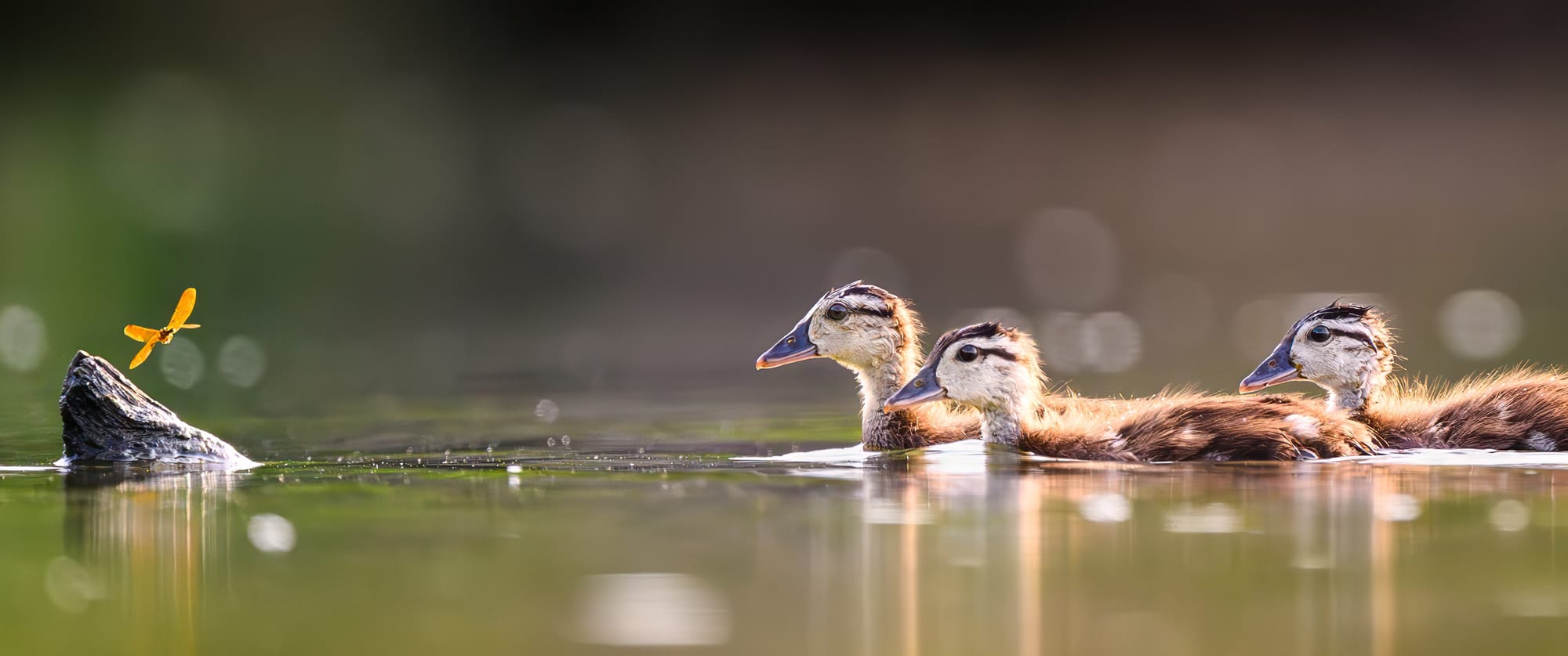
Next week: Illuminate. How you position yourself relative to light, why backlight is your best friend, and how to emphasize what was there all along.
As always check out my portfolio for all my work.