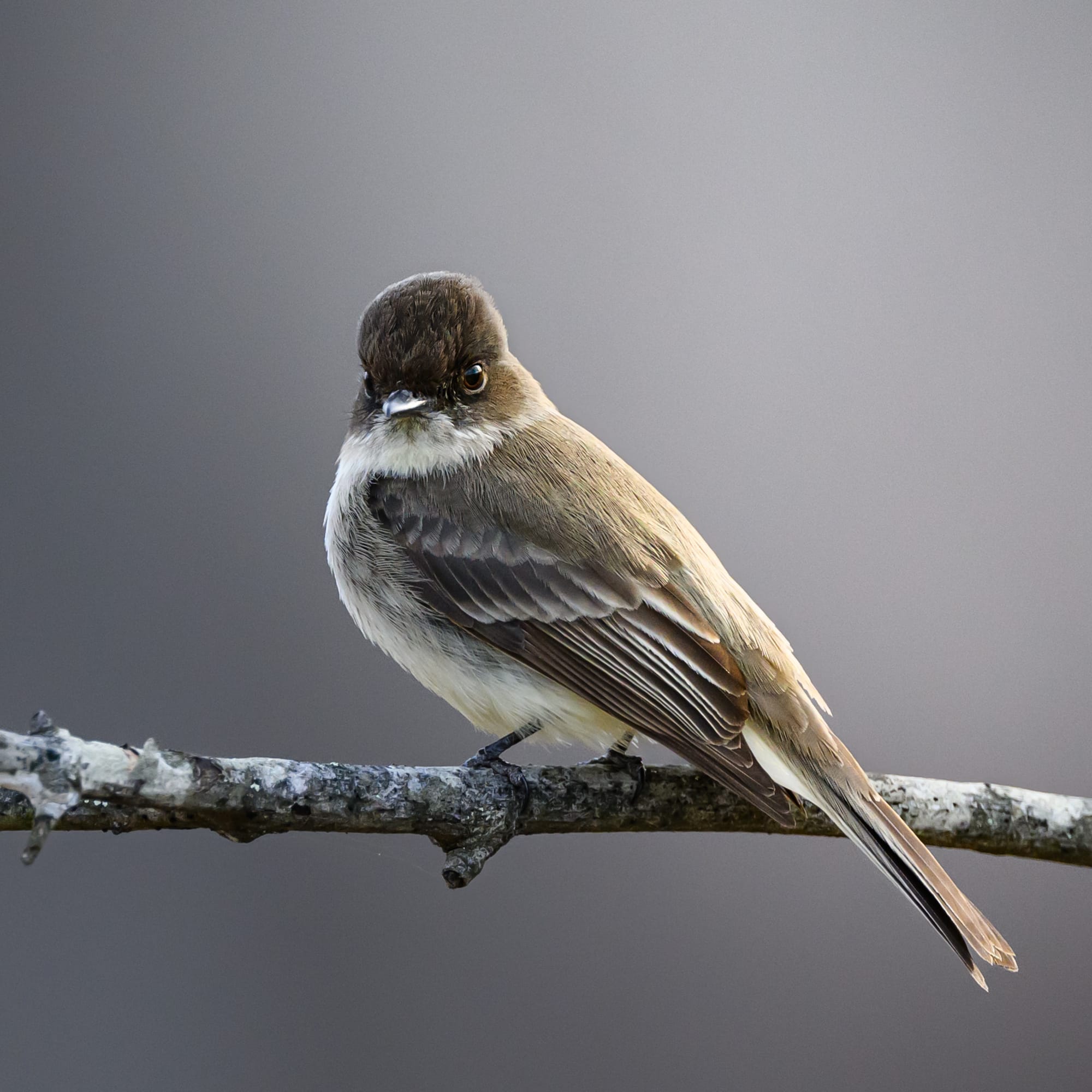
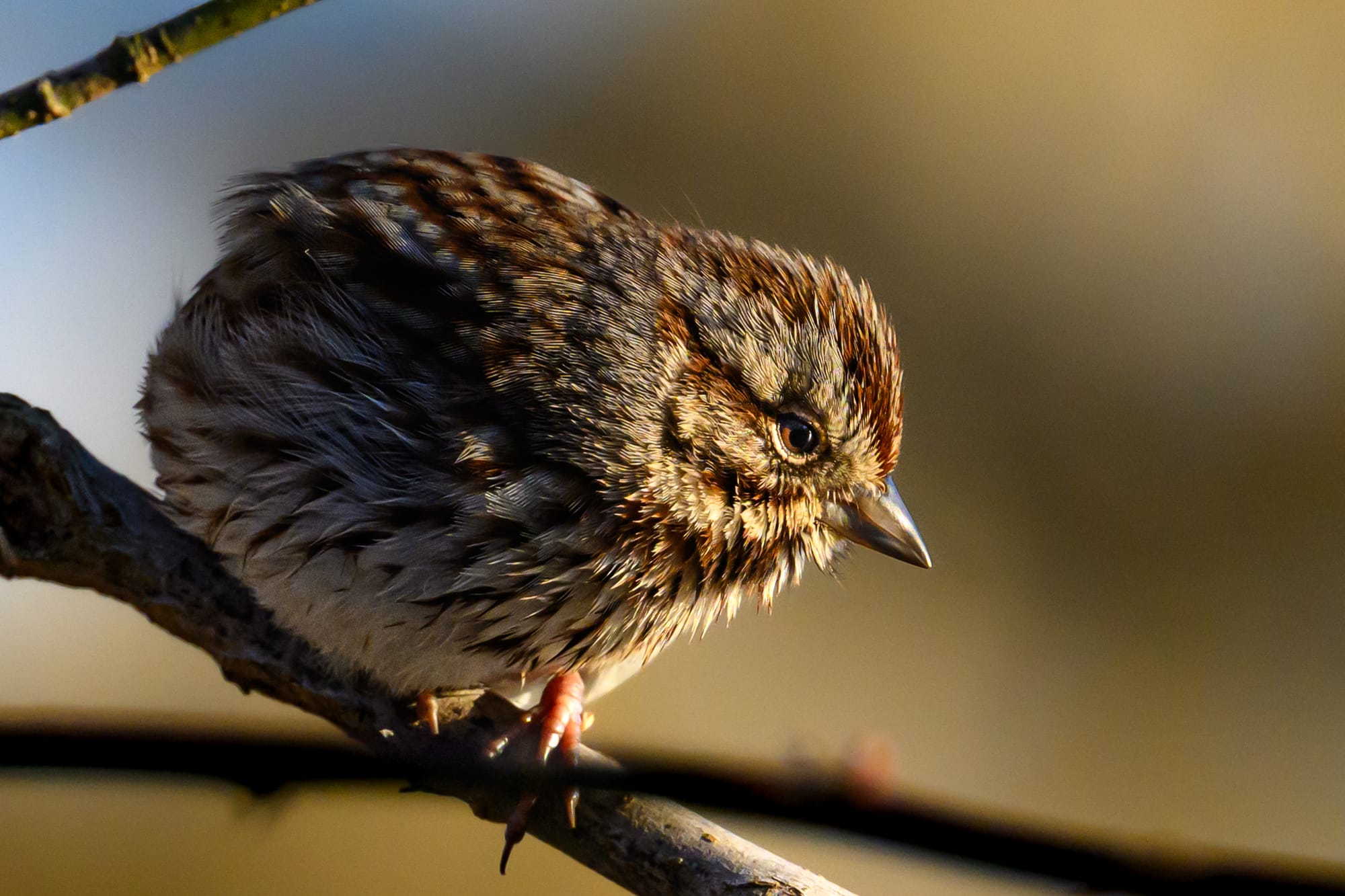
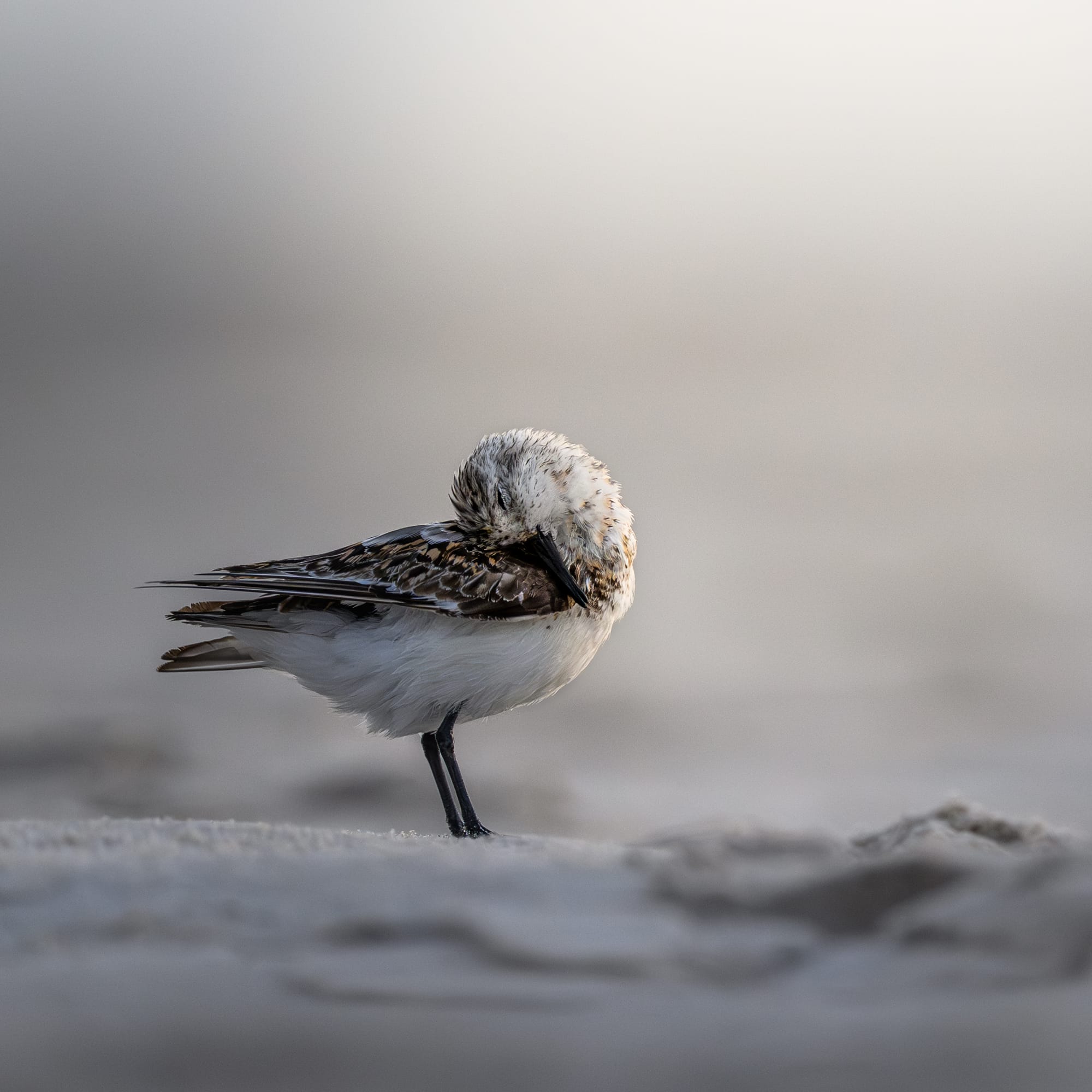
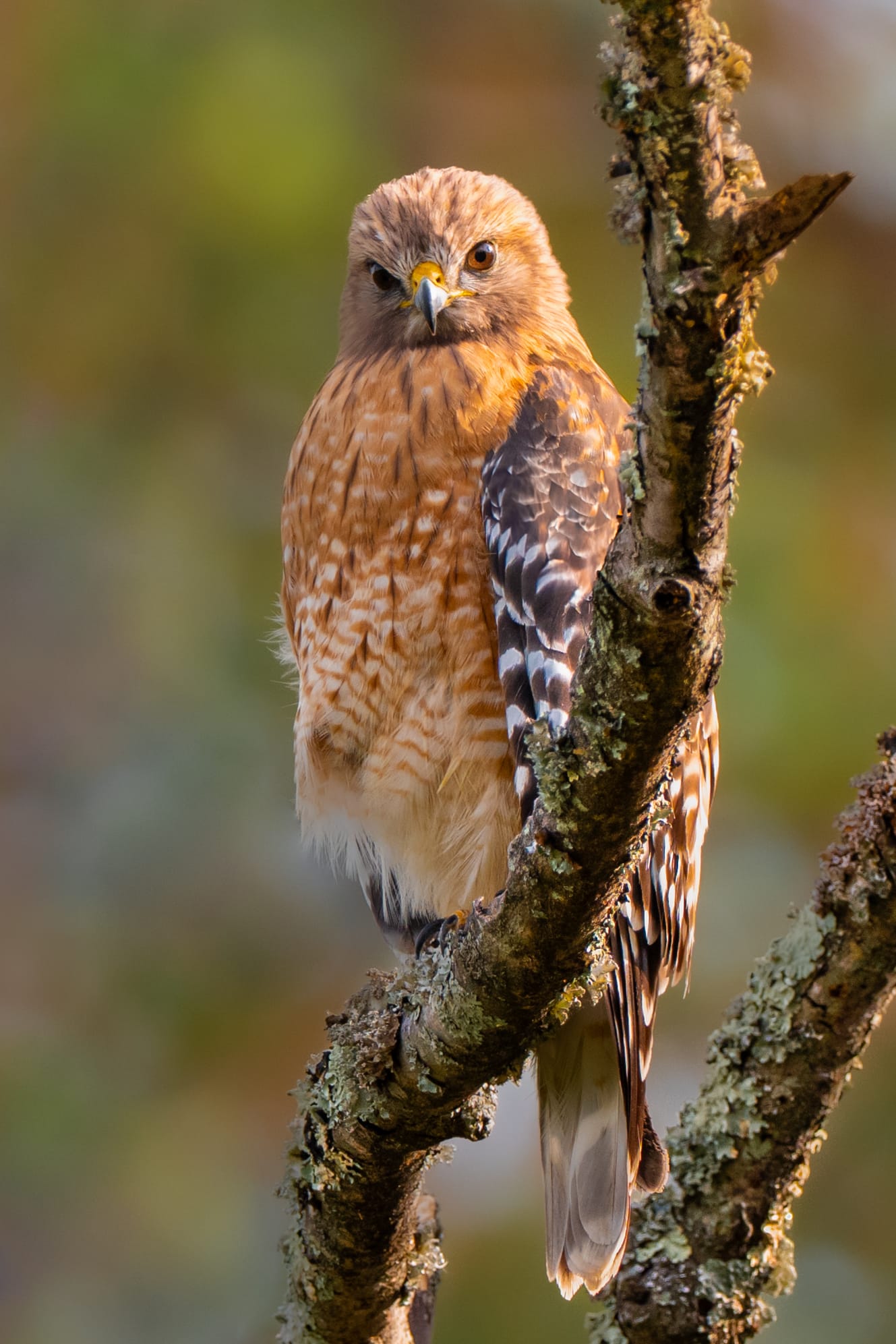
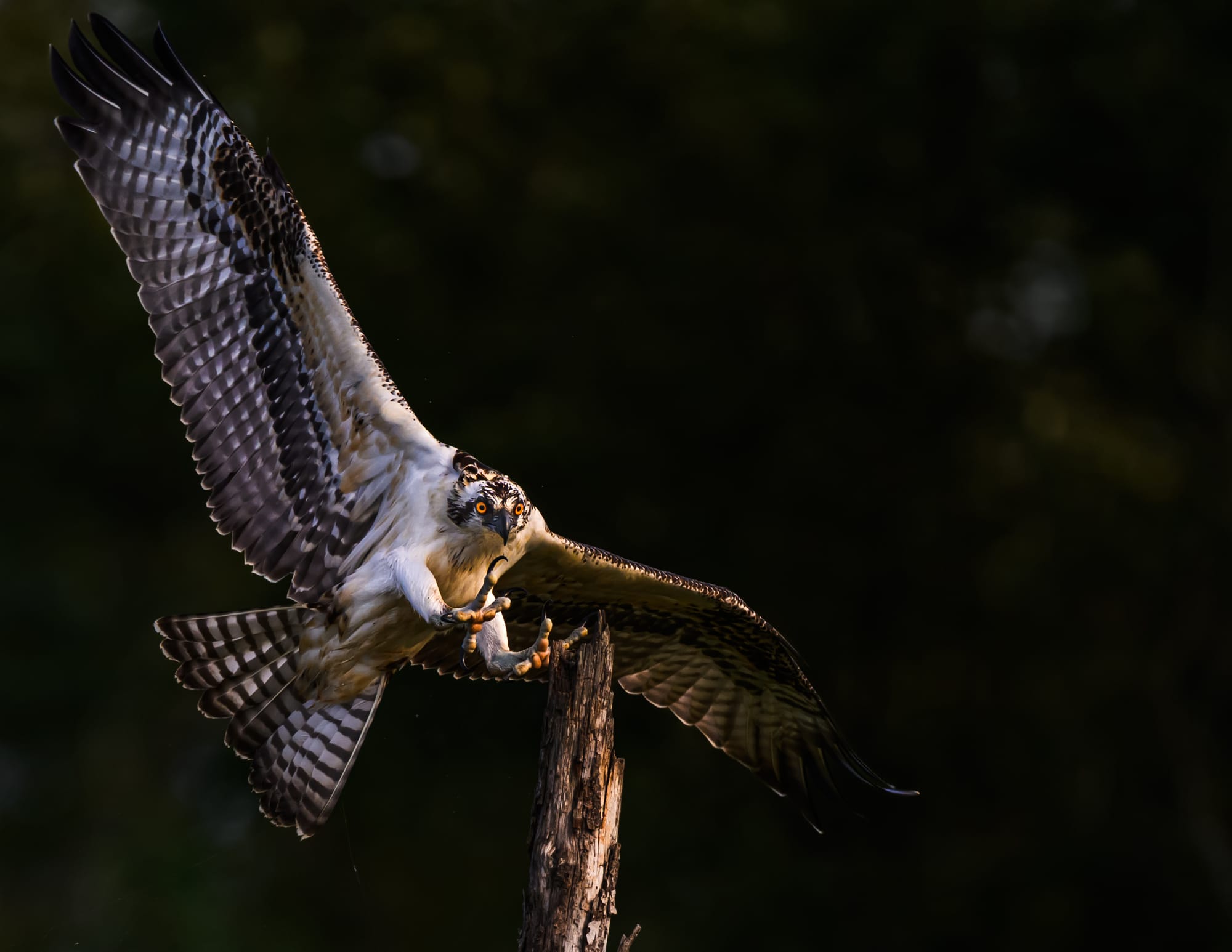
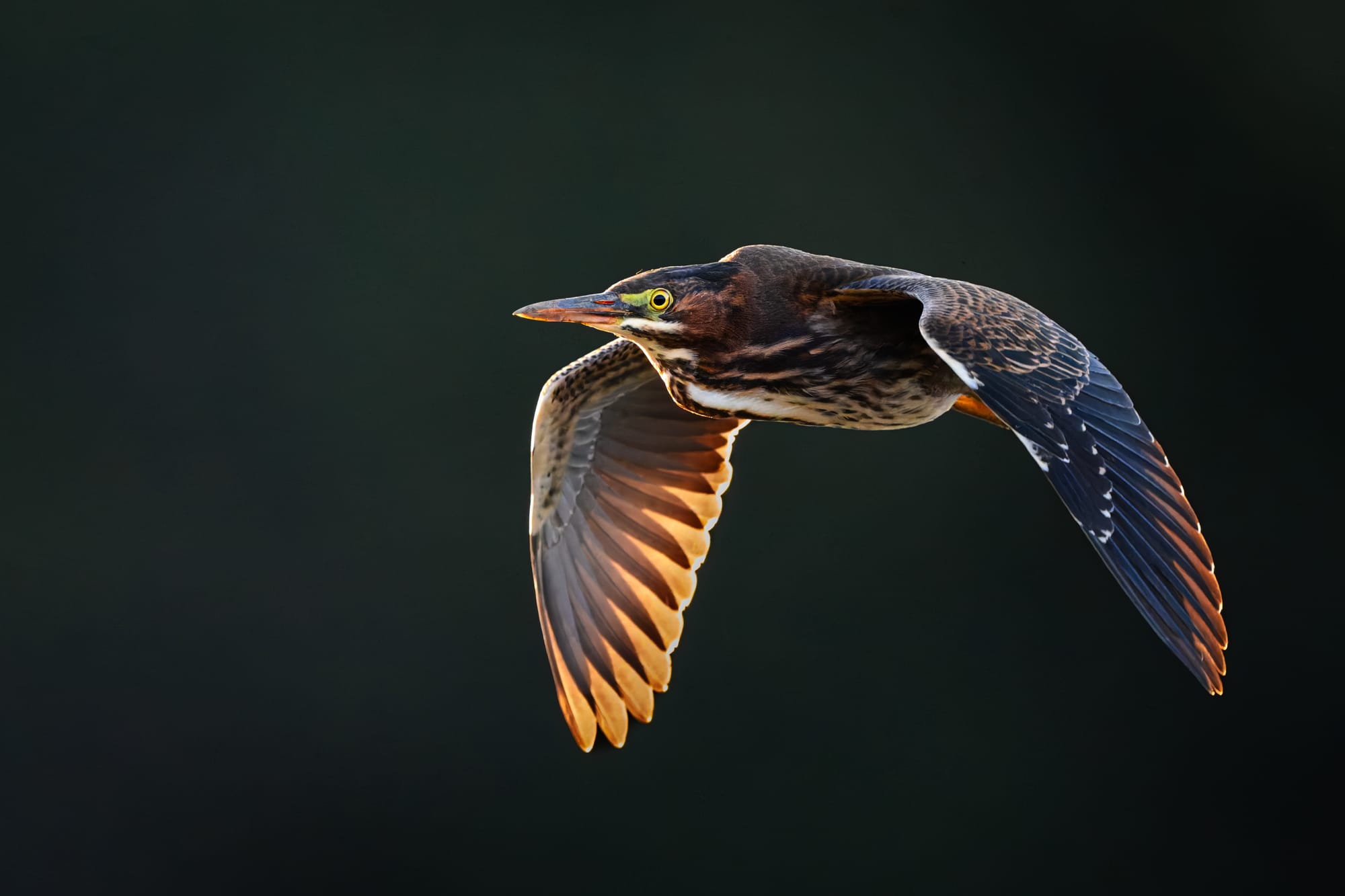
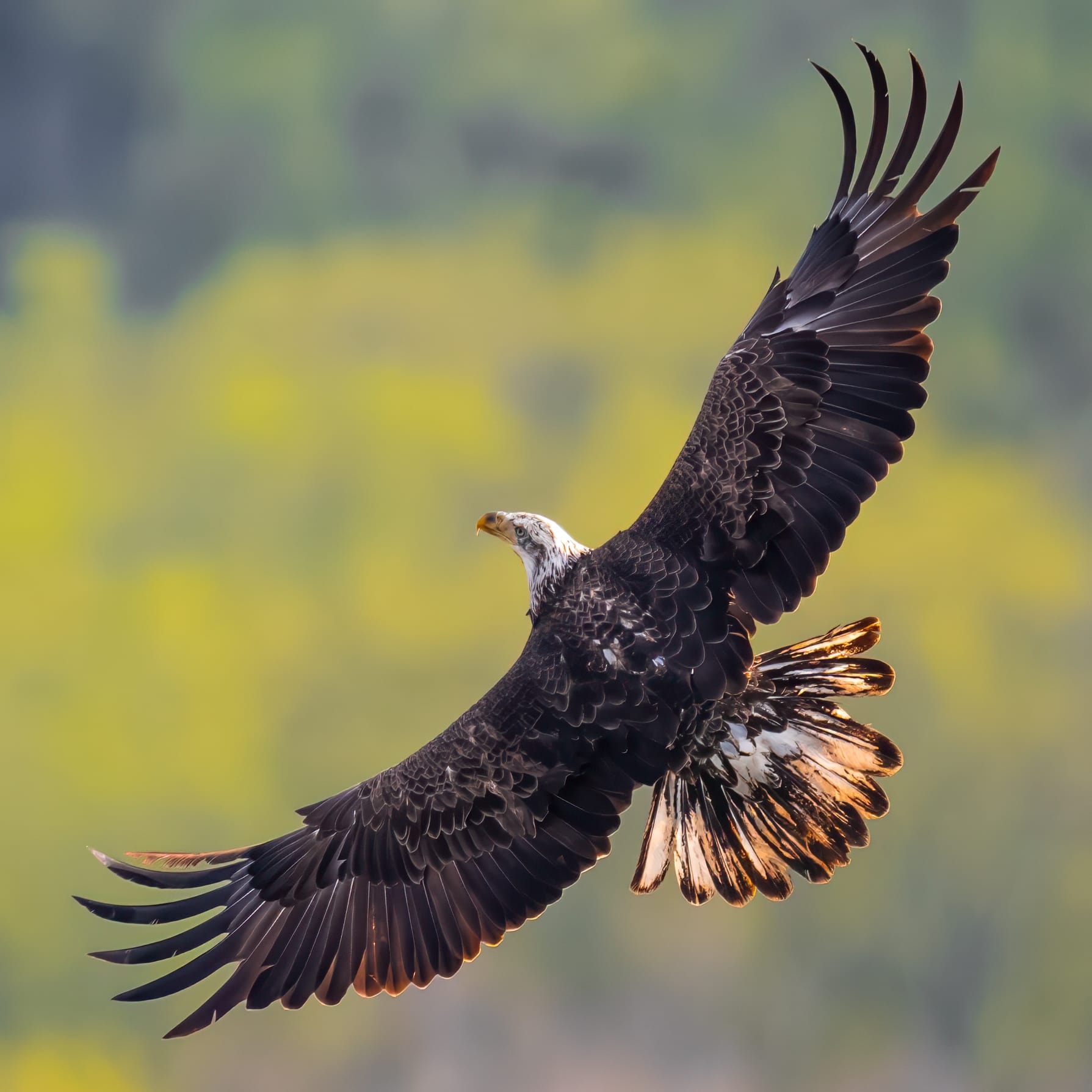
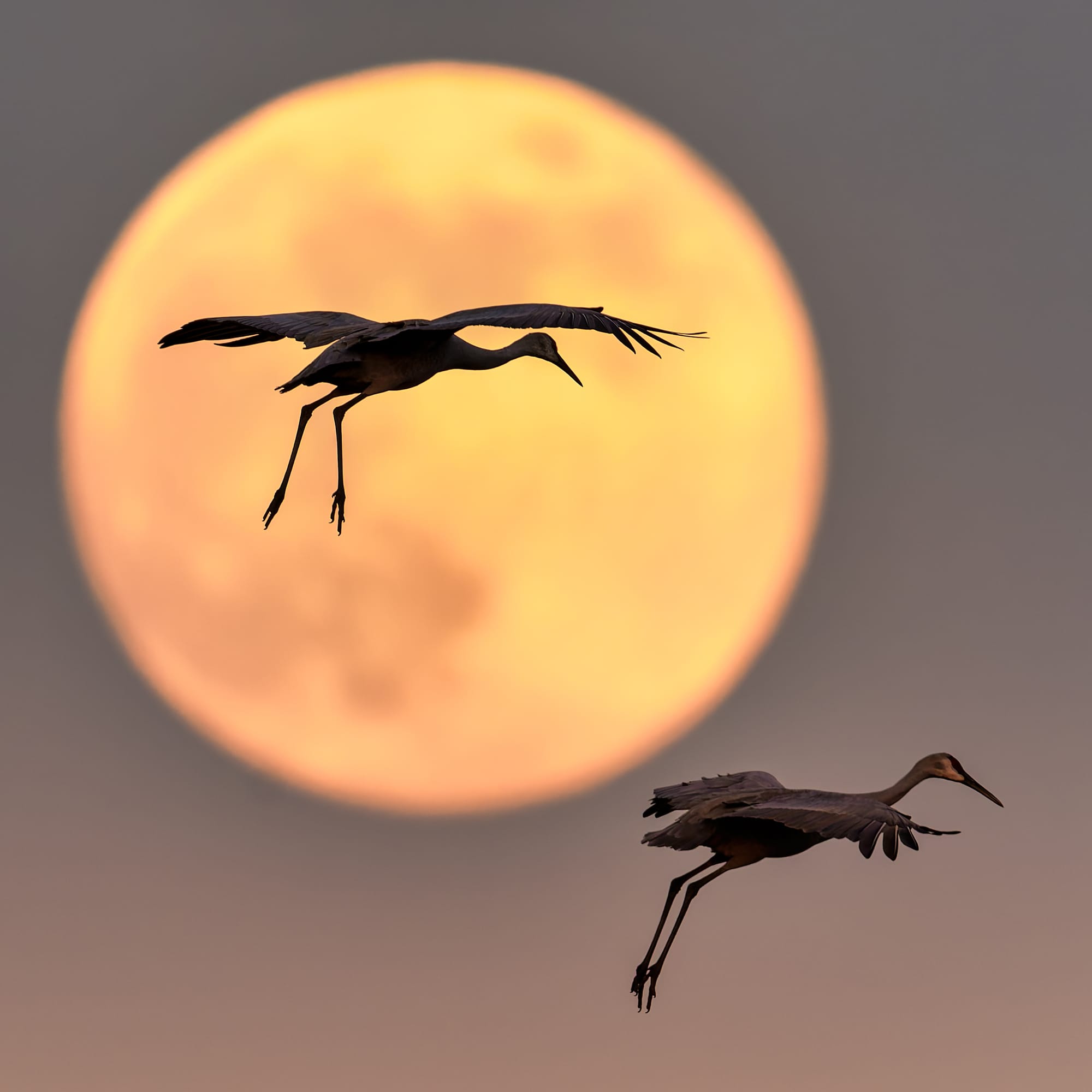
WILD Part Three - Illuminate: Wildlife photography gives you something landscape and portrait can't, a constantly shifting relationship between you, your subject, and the light. Here's how to use that to your advantage.
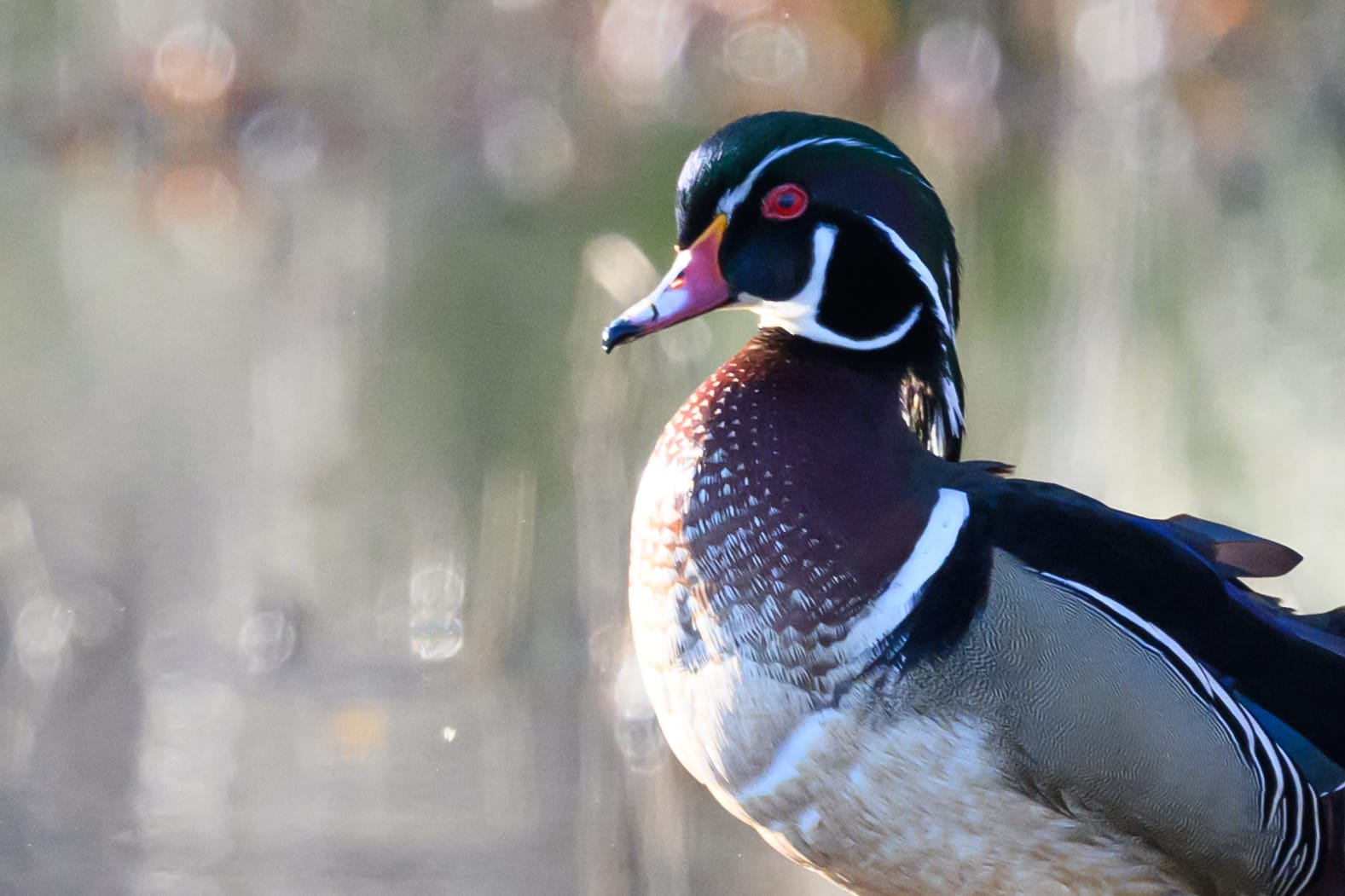
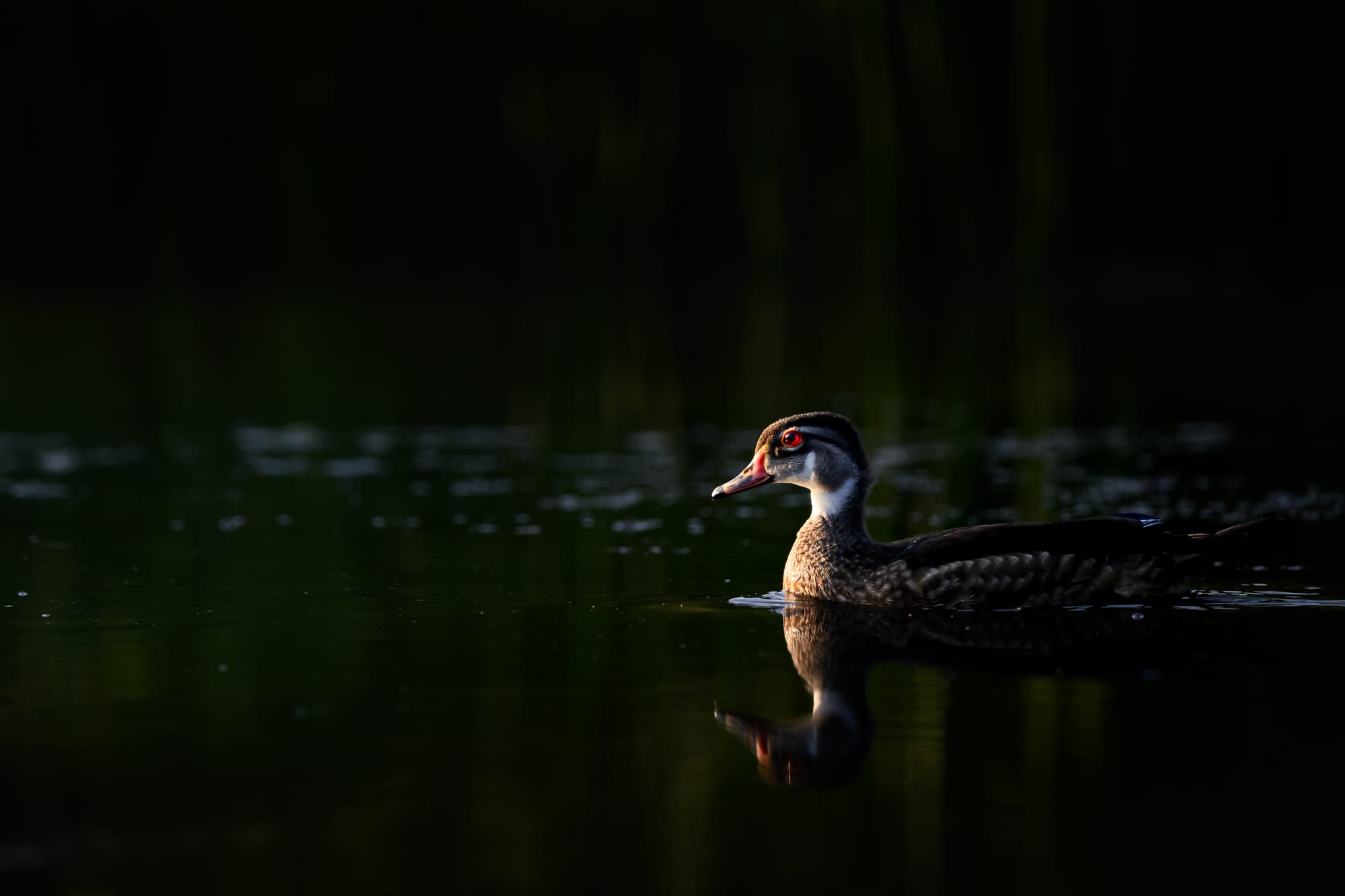
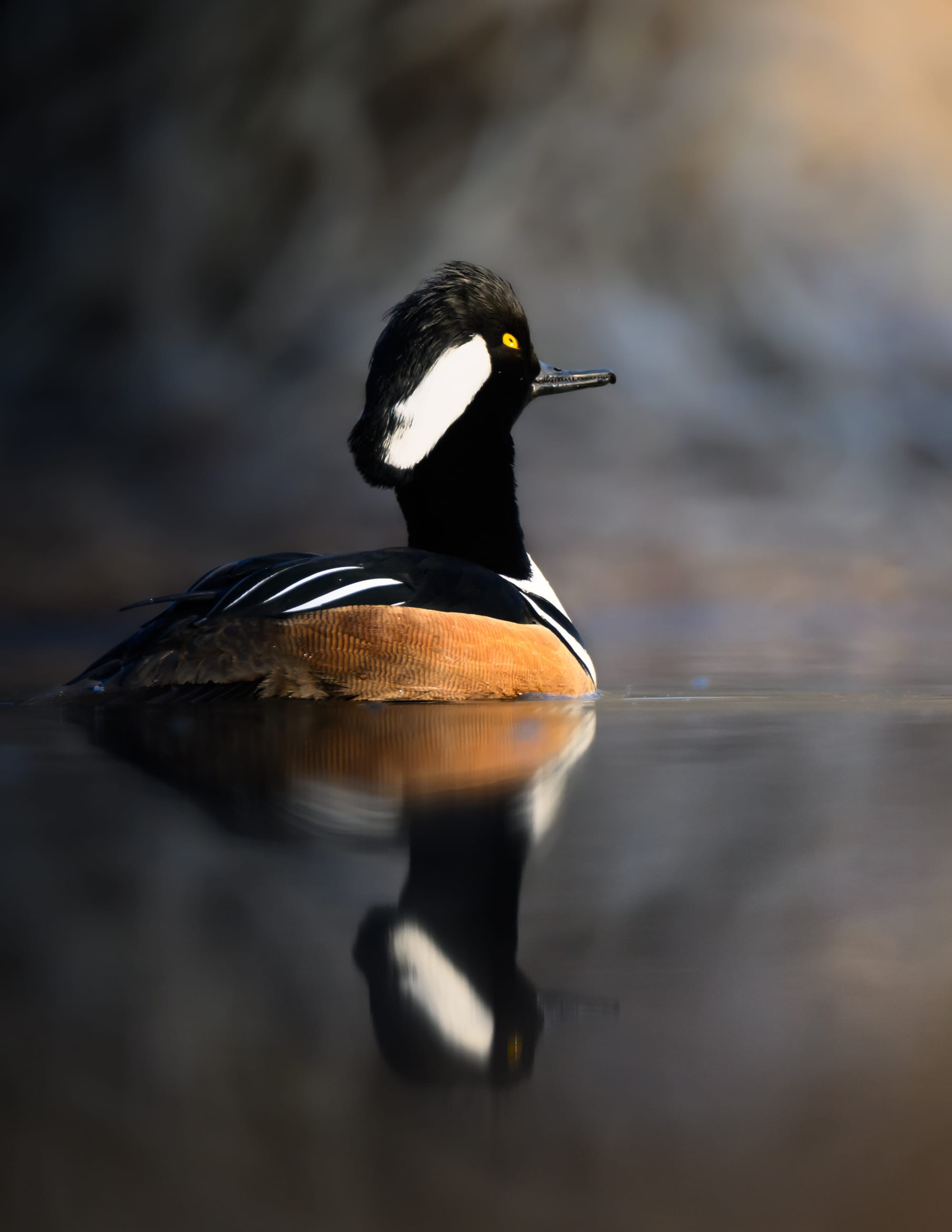
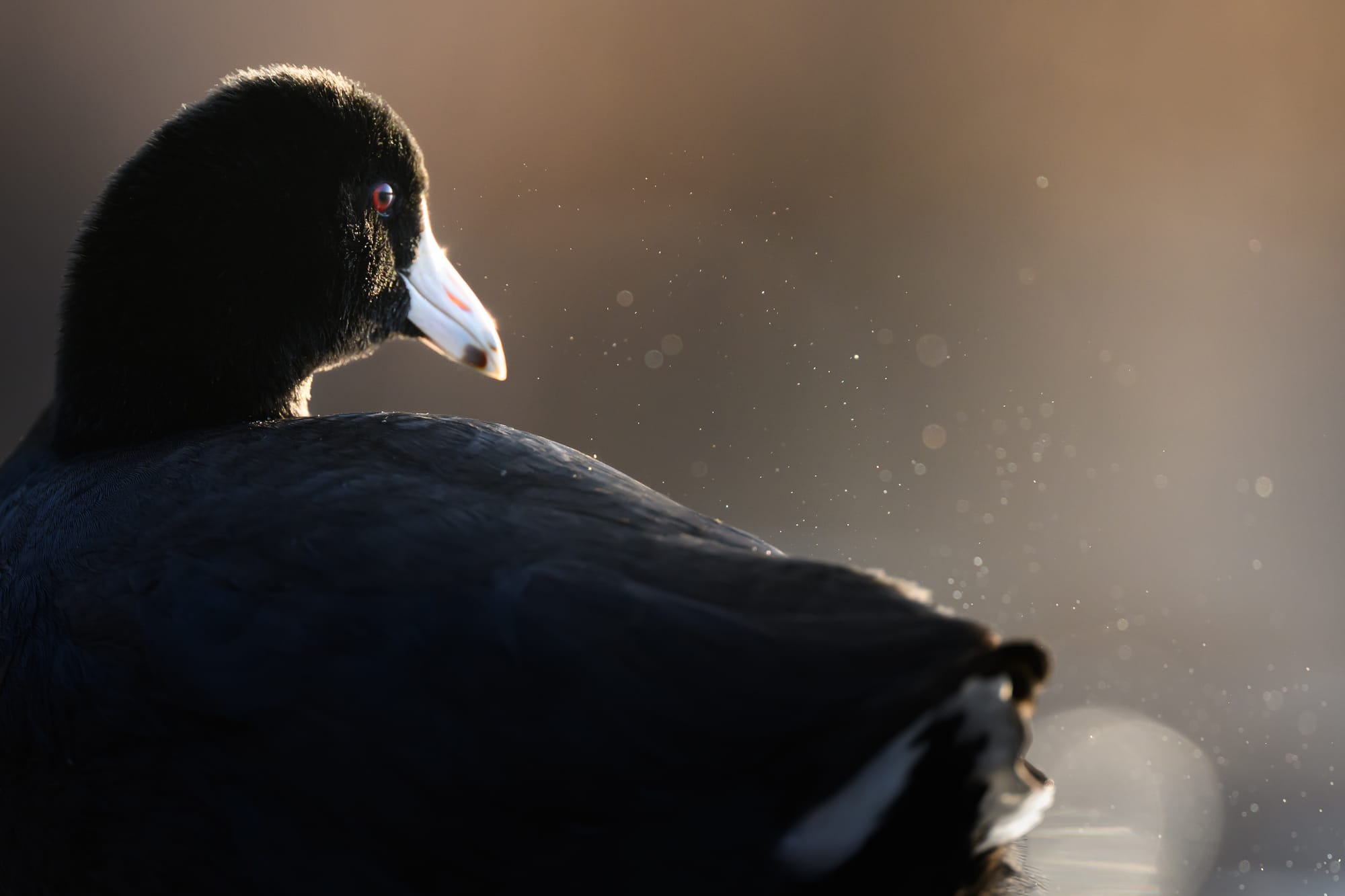
The left image is harsh. The light was not my friend, full disclosure I edited this badly to make a point because these types of natural images never make it off my memory card. The right image has the same bird but something is different. There's dimension, there's mood, there's a quality to the light that makes it feel like more than a photograph of a duck. The difference isn't the subject. It isn't the lens or the settings. It's where I was standing relative to the sun.
That's Illuminate.
Micro light
I want to talk about something I think makes wildlife photography genuinely unique among the major photography disciplines, and it's part of why I fell in love with it and kept coming back.
In landscape photography the light is macro. You plan for it, you chase it, you drive to a location before dawn and hope the conditions cooperate. When they do it's incredible. When they don't you pack up and go home. The light is the event and you either catch it or you don't. You have very little control over your relationship to it.
In portrait and macro photography you often bring the light with you. A flash, a reflector, a softbox. You build the scene. You control the source. That's its own skill and it's a valid one, but it's a fundamentally different problem.
In wildlife photography you have neither of those options. You can't plan the exact conditions and you can't bring your own light. What you can do is control your position. That triangle between you, your subject, and the light source is constantly shifting, and every decision you make about where to stand, where to move, which angle to work from, is a lighting decision. That's what I mean by micro light. The light itself might be beyond your control but your relationship to it never is.
That dynamic is what hooked me. Every session is a puzzle. The bird moves, the light moves, you move. The triangle never stops changing and there's always a better angle to find if you're paying attention.
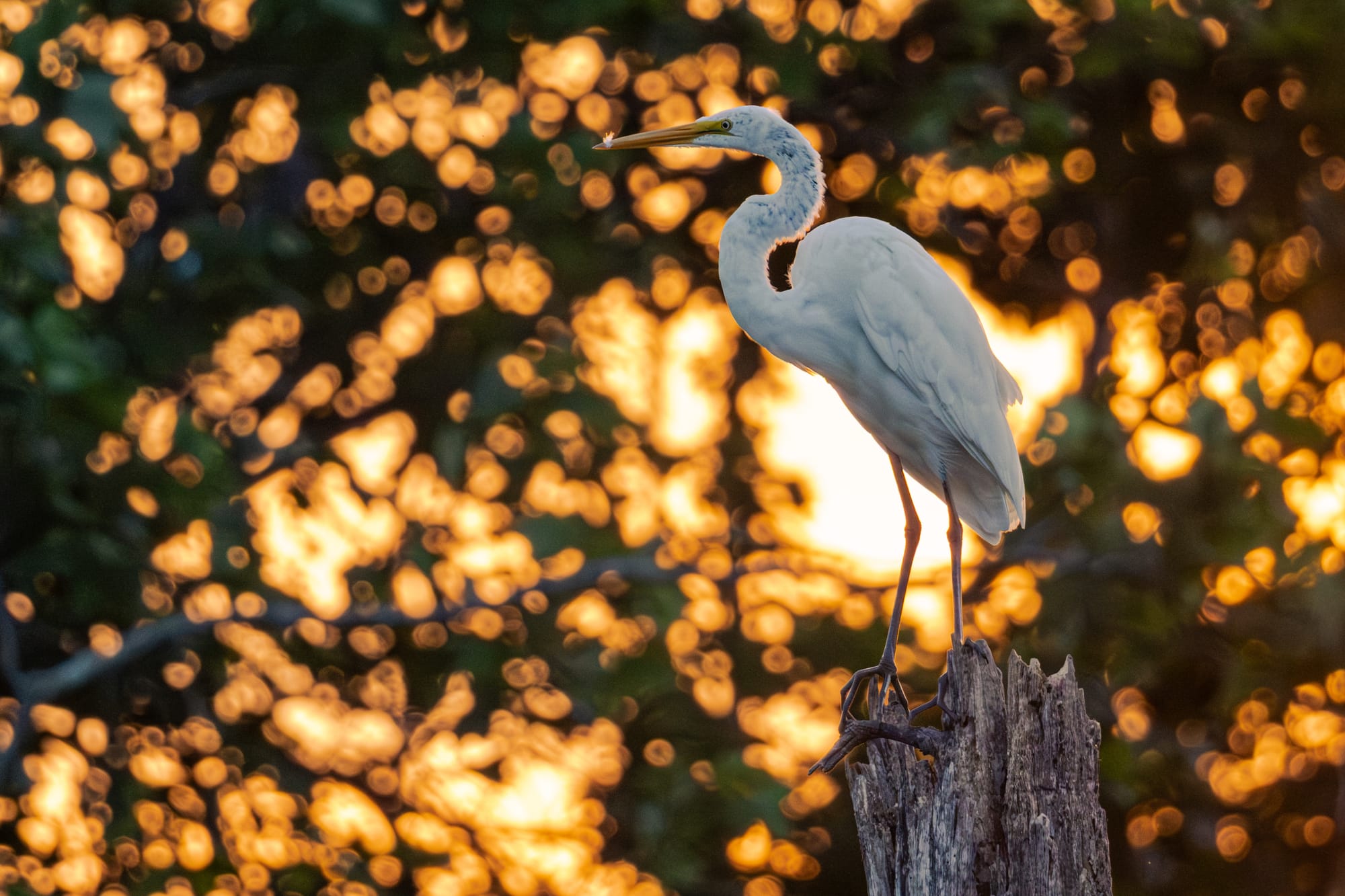
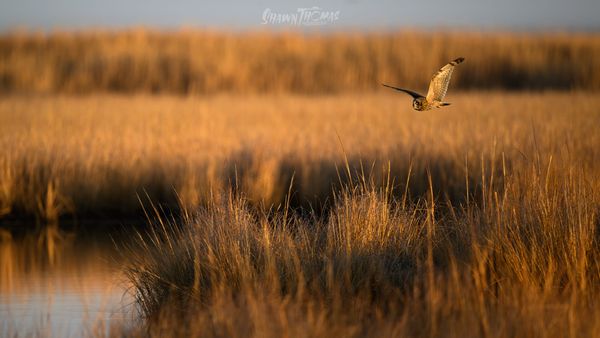
I took this image about three months after picking up a camera for the first time. I didn't have the vocabulary for what I was doing yet. I couldn't have told you why I moved to the position I was in. But something in me knew that the light coming through those trees behind the egret was the thing worth chasing, not the egret itself. The bird is the punctuation mark. The light is the sentence.
And over a year later I went back and got this image from the very same branch, really linking back to lasts weeks discussion about shooting places you know.
That instinct, once you develop it, changes everything about how you move through a scene.
The side of the light that matters
Most beginner photography advice tells you to shoot with the sun at your back. Your subject is well lit, the exposure is easy, the detail is sharp. And that's fine advice for a lot of situations. But in wildlife photography you have so many more options, because front light is often the least interesting light you can find.
Front light is flat. It removes shadow, which removes dimension. It makes a three dimensional living thing look like a photograph of a three dimensional living thing rather than feeling like one.
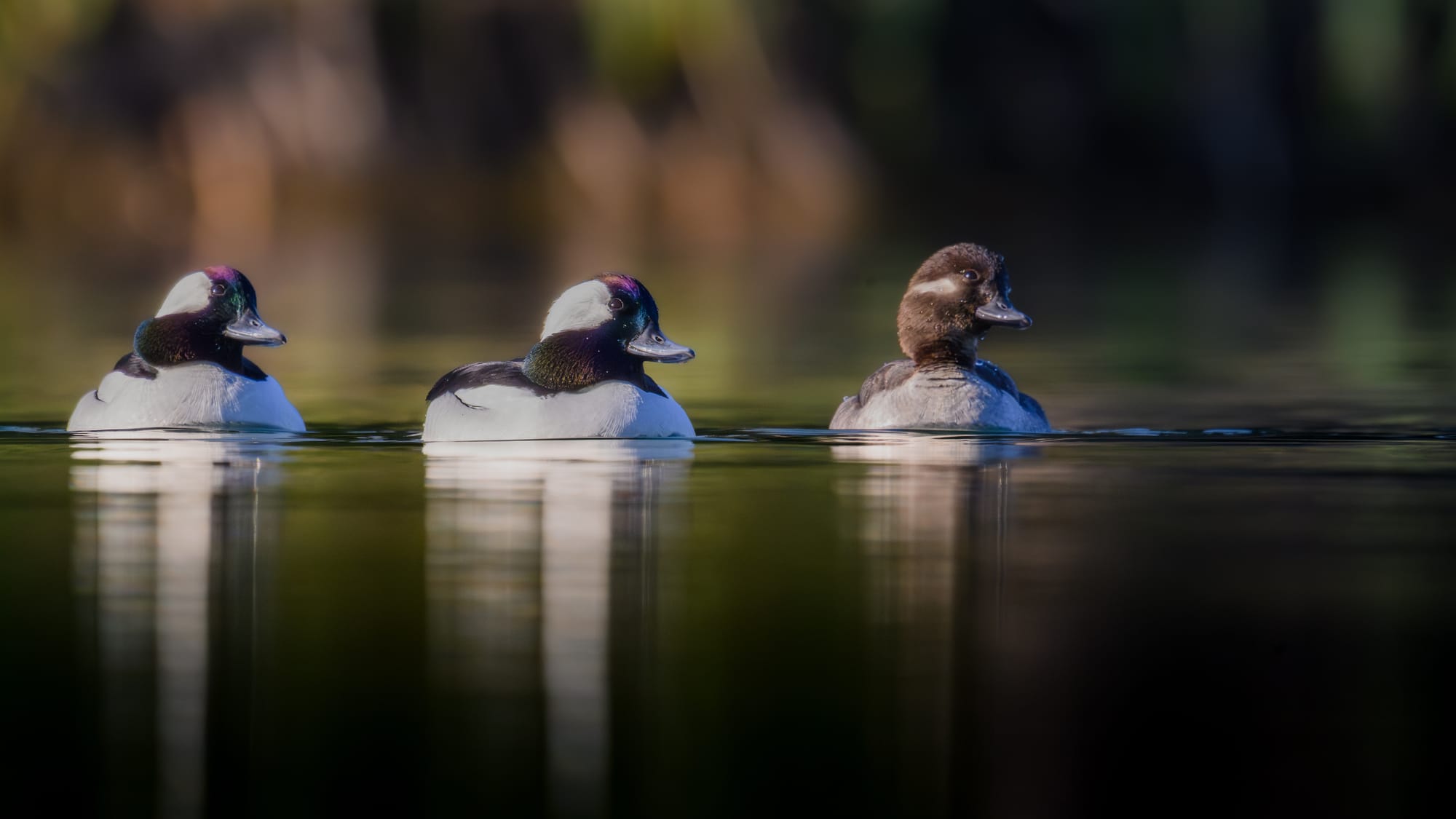
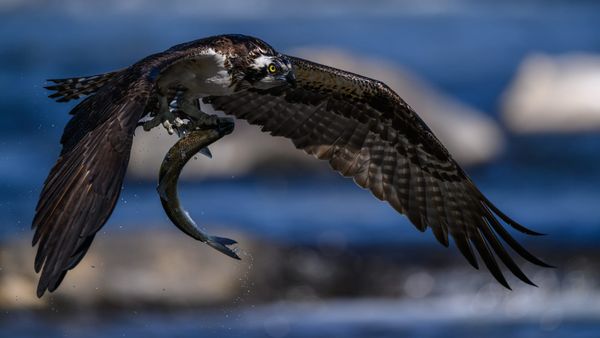
Side light is where things start to get interesting. When the light is coming from the side it rakes across feathers and fur and skin and suddenly you can see every texture, every layer, every detail that front light was washing out. The subject starts to feel real.
It's worth mentioning that I shoot almost exclusively at sunrise and sunset hours, with little to no variance. It produces the conditions I like personally.
A host of sidelit shots
And then there's backlight, which is where I spend most of my time.
Backlight is your best friend
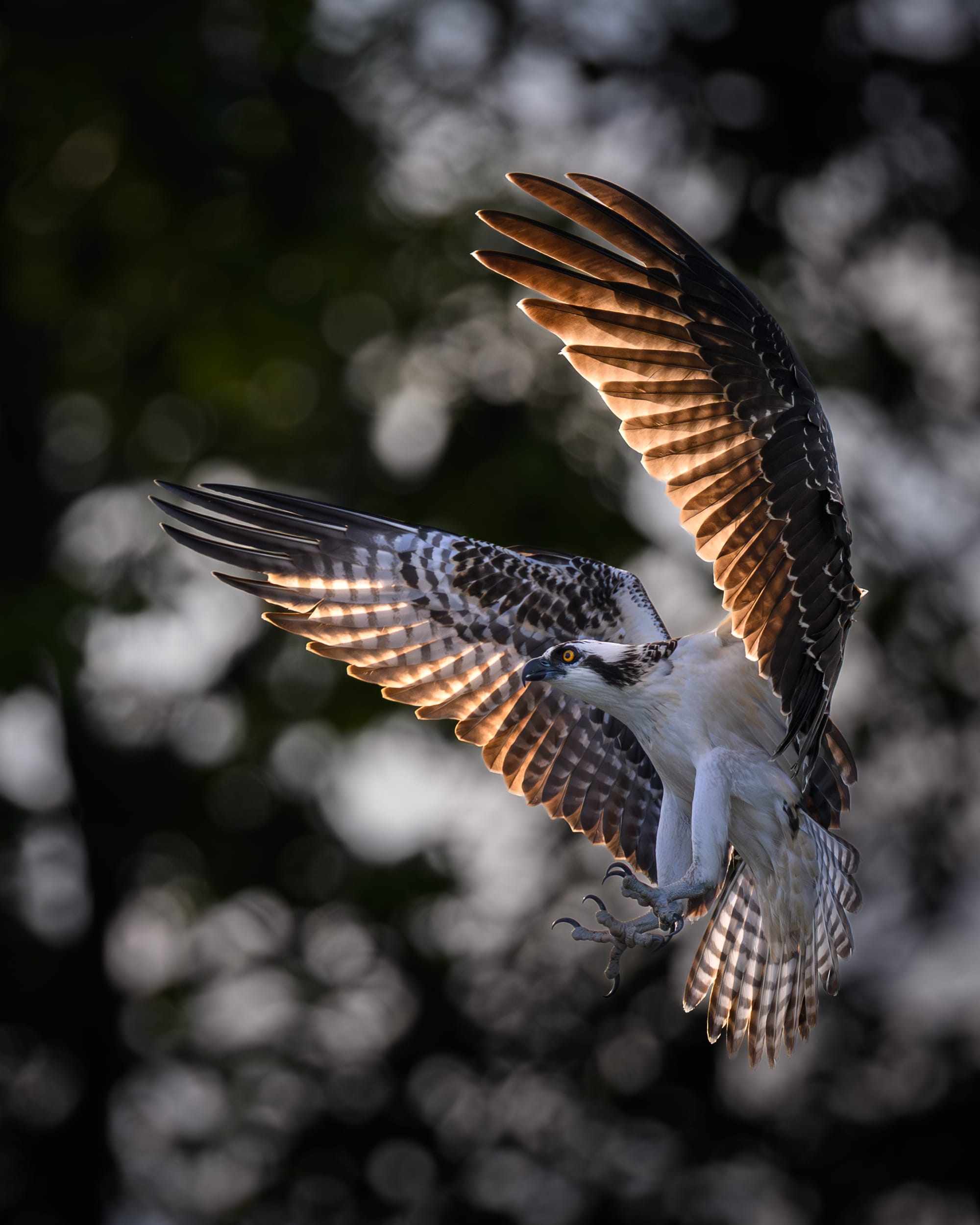
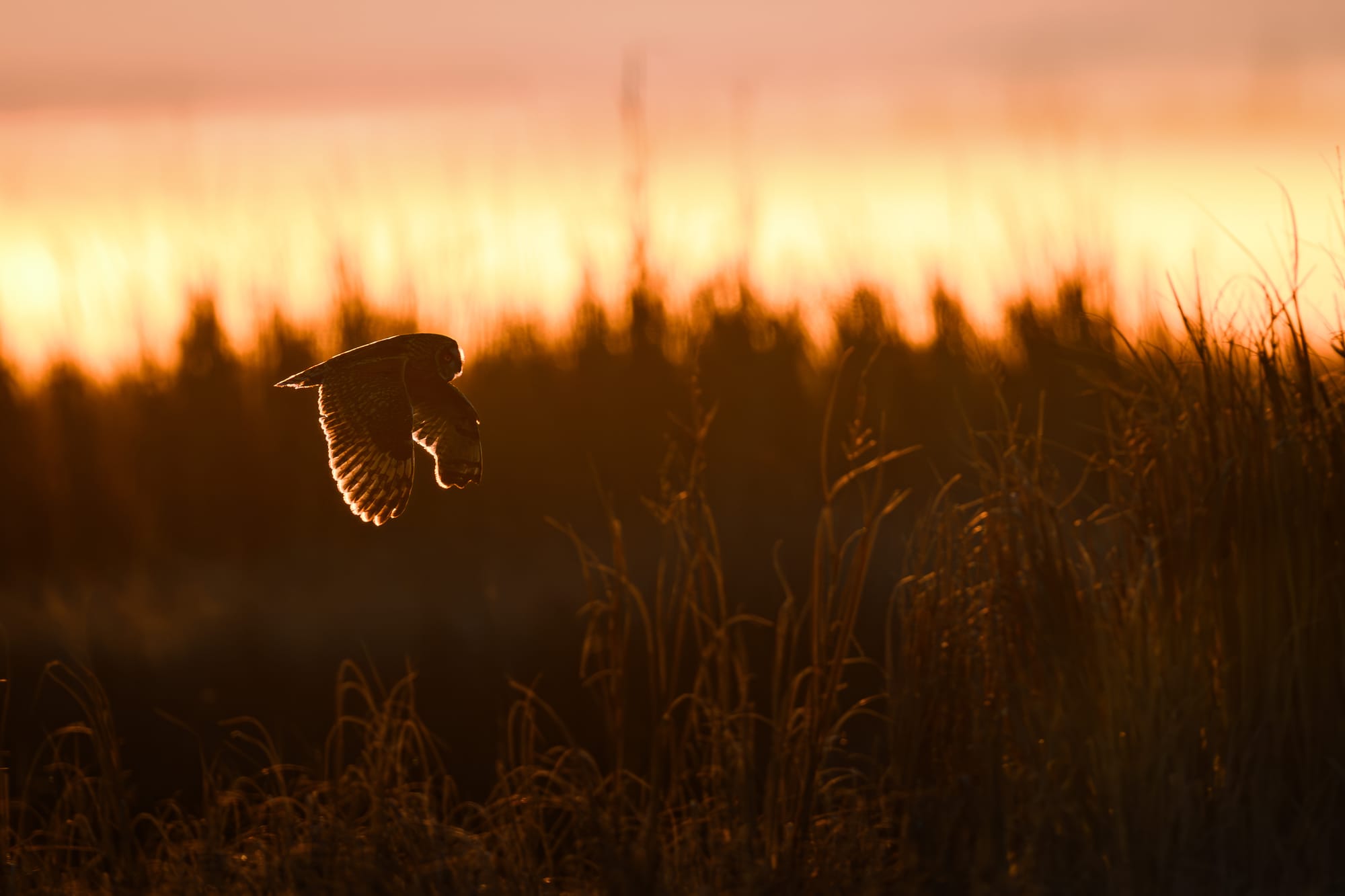
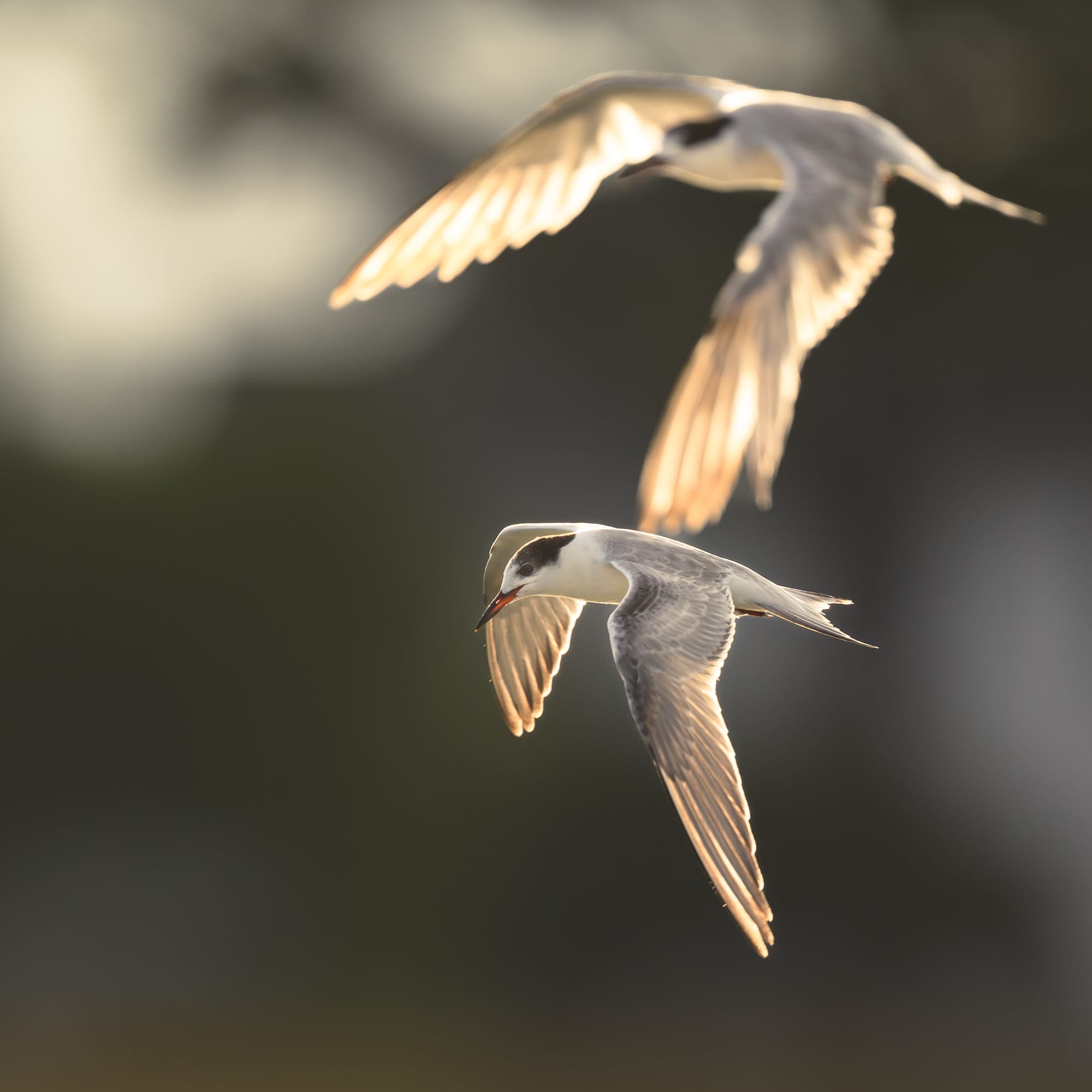
Shooting into the light is one of those things that sounds like a mistake until you see what it does. When the light source is behind your subject a few things happen simultaneously that are very hard to achieve any other way.
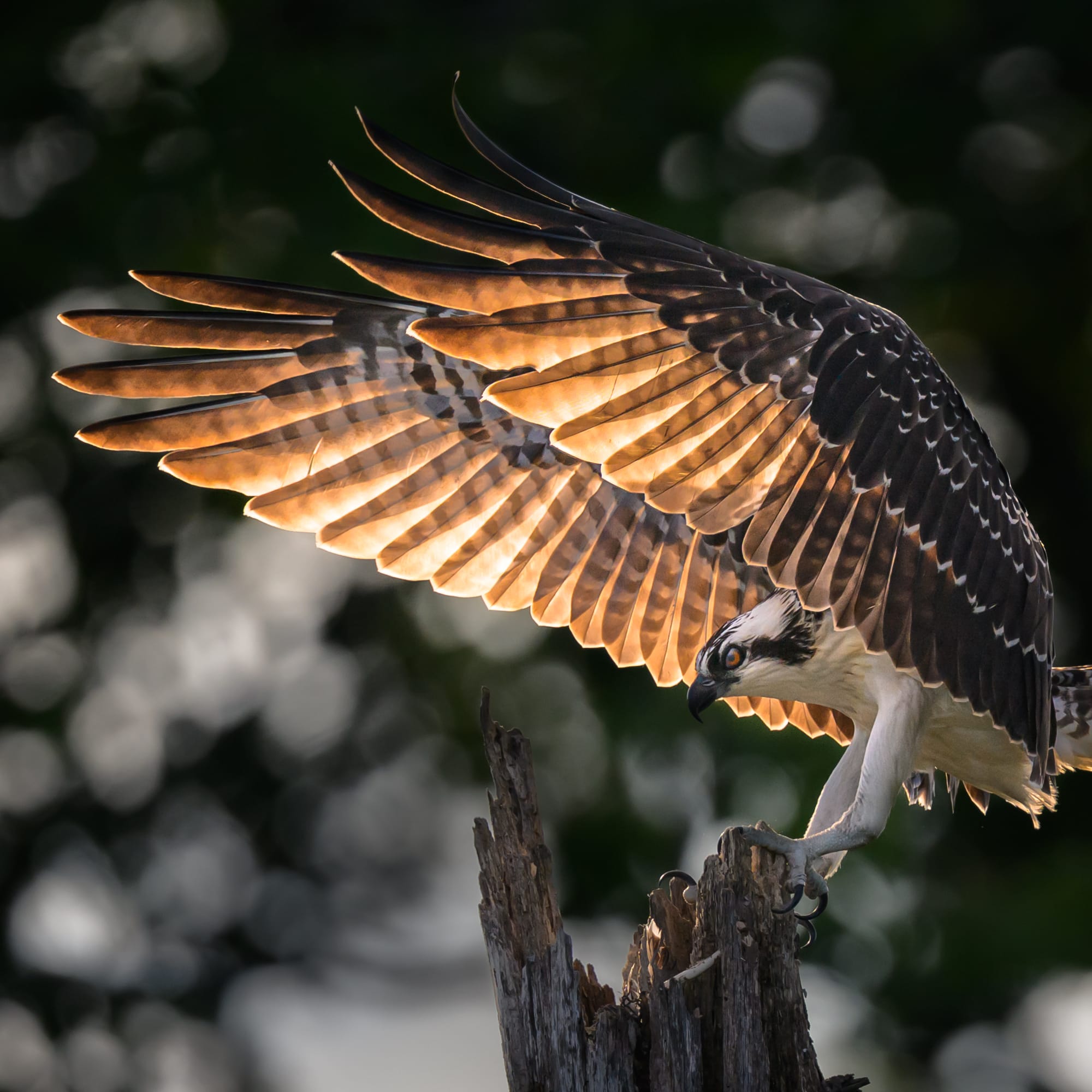
First, you get a rim light. The edges of the bird, the feathers along the wings, the outline of the head, catch the light and glow. It separates the subject from the background in a way that feels alive rather than clinical.
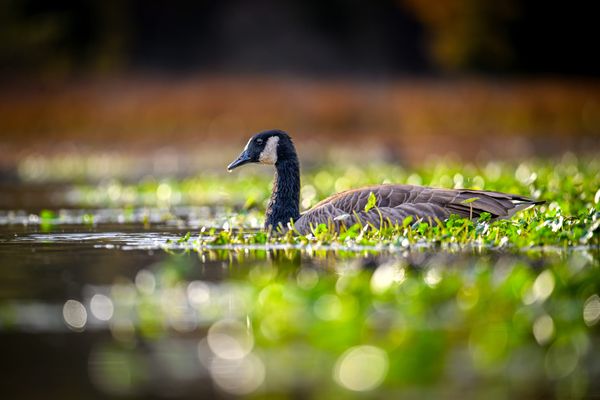
Second, the background gets interesting. Light sources behind the subject throw the background into a kind of luminous blur that front light simply can't produce. Those golden bokeh balls you see in a lot of my work aren't an accident. They're what happens when you position yourself with the light source in the background and a long lens doing its compression work.
Third, and this is the one that keeps me coming back, backlight creates atmosphere. It turns a photograph of a bird into a photograph of a moment. The light has a feeling to it. Dawn, dusk, the last hour before the light disappears, that's when backlight is at its best and that's when I'm most likely to be somewhere uncomfortable trying to find the right angle.
A host of backlit shots
The tradeoff is that backlight is technically challenging. Your exposure is harder to nail. Your autofocus has less contrast to work with. And if you're shooting with a Phase Fresnel lens, the Nikon PF glass for instance, the bokeh balls can get messy, with hard edges and onion ring patterns that take real work to clean up in post. It's one of the reasons I made the move to the 600 f4. But that's a different blog.
The point is that the challenge is worth it. Technically correct and emotionally flat will always lose to technically imperfect and genuinely alive.
Emphasizing light in post
I want to be clear about something before I get into this section. Post processing is probably the second most important thing you can learn in photography after fieldcraft, it's what allows your images to stand apart from every other image thats out there and gives you a voice. This is the same thing Ansel Adams was doing in the darkroom. Same intention, different tools. I've written about this at length.
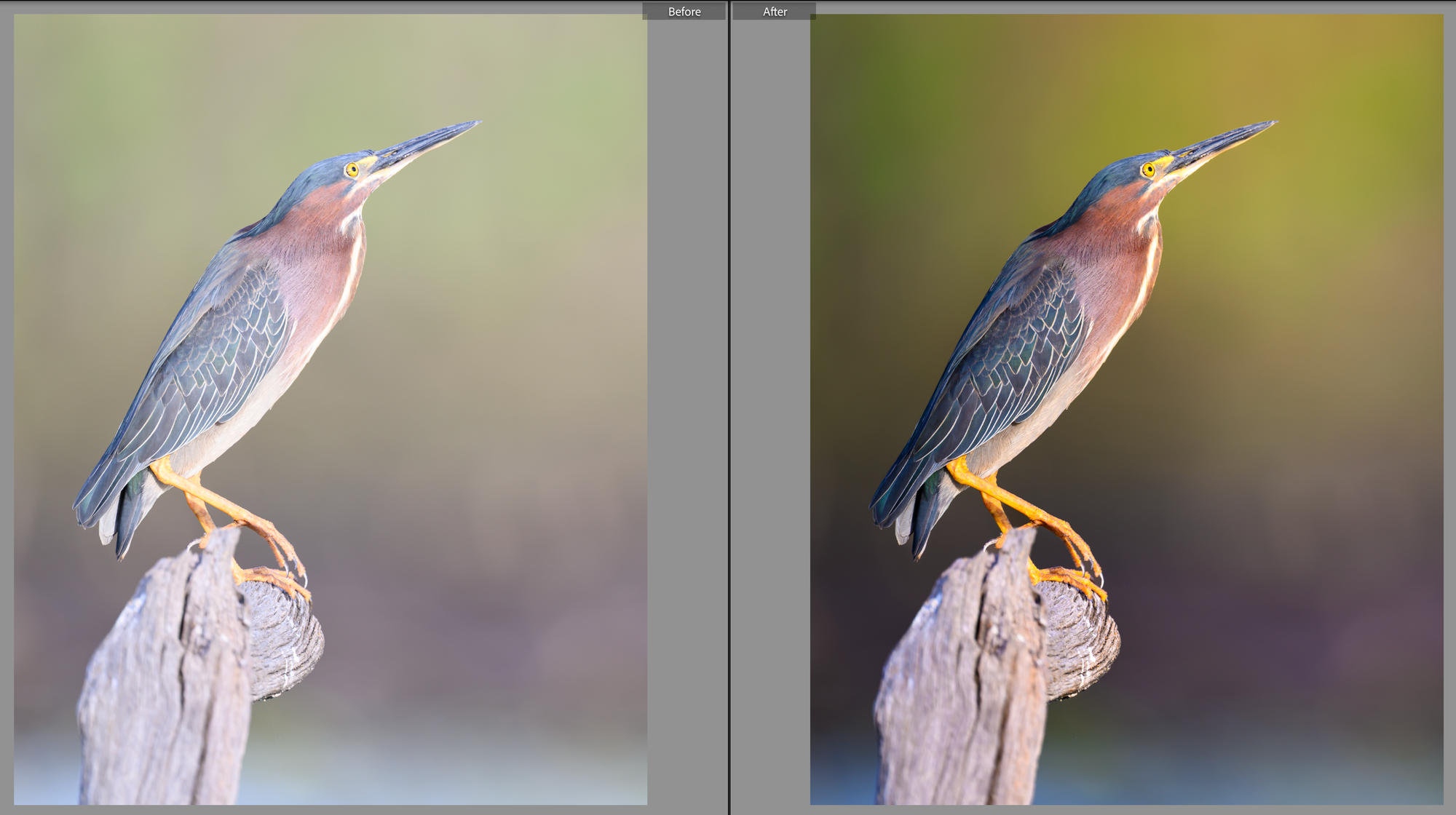
When I'm working on an image where the light is the whole story, here's how I think about it.
Before and after
I start with the background. If there's bokeh in the frame I want it to feel luminous, not just blurry. Lifting the highlights slightly while keeping the midtones controlled gives it that glow that makes a backlit scene feel like it has its own internal light source. I'm building the world first, shaping the atmosphere, so that when I get to the subject I know exactly what I'm placing it into.
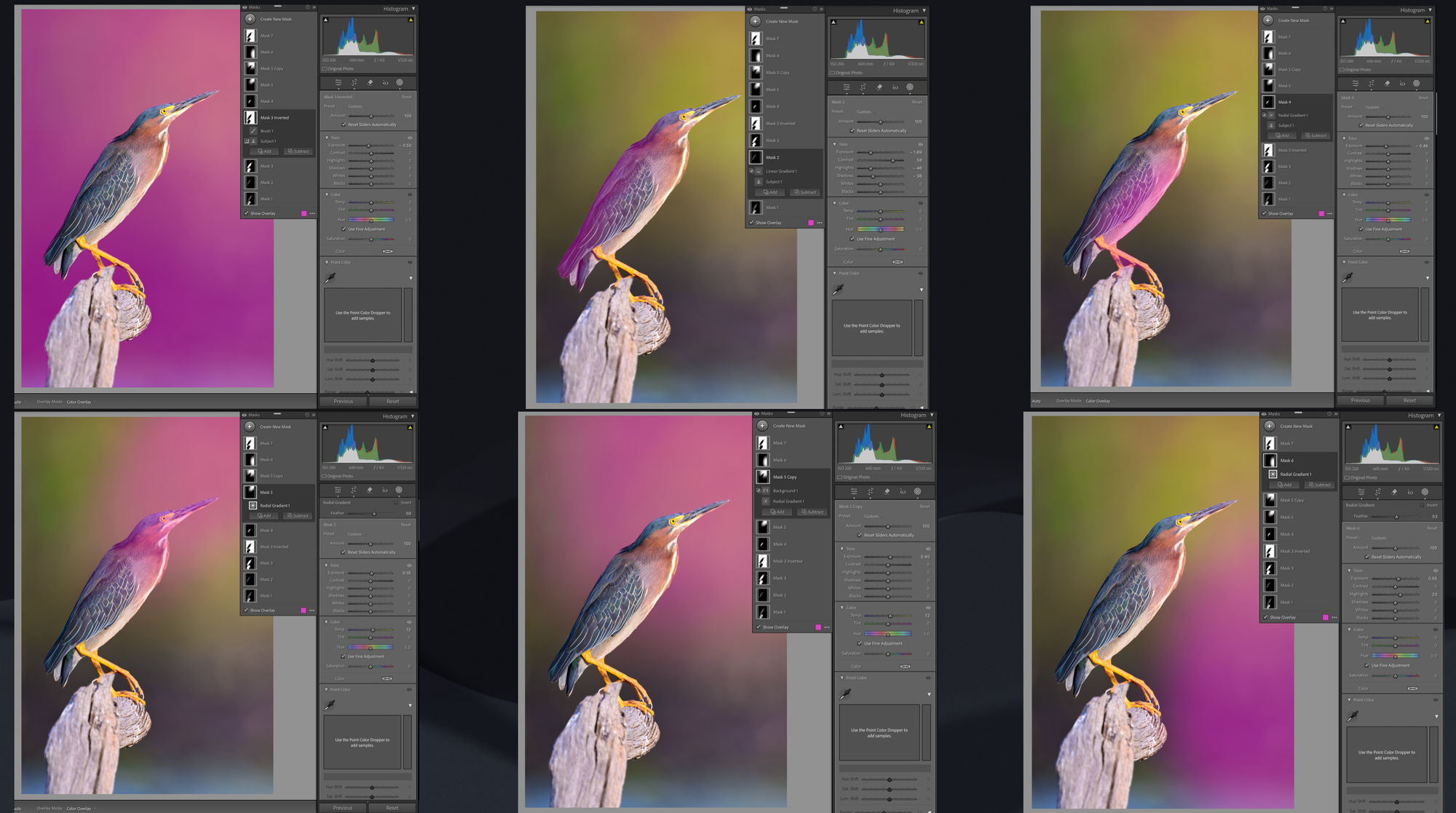
Then I work the subject. Where is the light actually hitting the bird? Sometimes it's just a rim, a sliver of glow along the edge of a wing. I'll use a mask to lift that specifically, just enough to make it feel warm and present without looking artificial. The goal is always to make the image feel like the moment felt, not to make it look like something it wasn't.
Finally I look at the overall temperature and mood. Backlit scenes in golden hour already have a warmth to them but RAW files often render it cooler than it felt. Pushing the temperature slightly warmer, being careful not to blow the highlights, brings you back to what your eyes actually saw.
Edit panel
None of this is fabrication. It's completion. The camera captured the raw material and the edit is where you shape it into the photograph and your artistic vision.
The thing that keeps it interesting
I said earlier that the triangle between you, your subject, and the light is always shifting. That's not a problem to solve. It's the whole game.
Every time a bird moves, your light relationship changes. Every time a cloud passes, the quality of the light changes. Every time you take three steps to the left you're making a new image. That constant negotiation between where you are and where the light is keeps wildlife photography from ever feeling repetitive to me, even when I'm at the same spot shooting the same species I've shot a hundred times before.
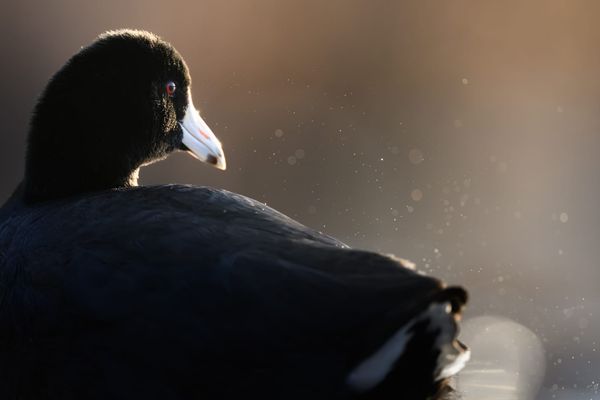
The light is never the same twice. Neither is the photograph. And to end we will go back to the coot, bring it full circle.
The "common" coot being super majestic
Next week: Level. Why getting low is probably the single highest-impact change you can make, and why I end up in some very undignified positions on a regular basis.