WILD: Depth
WILD Part Five - Depth: Your background isn't just the stuff behind the bird. It's half the photograph. Here's how to use it with intention.
– 10 min read
WILD Part Five - Depth: Your background isn't just the stuff behind the bird. It's half the photograph. Here's how to use it with intention.
Last week we talked about Level. Getting low changed the perspective, changed the connection with the subject, changed the whole feel of the image. But here's something I want to show you before we get into this week's principle, because it sets up everything that follows.
Here are two sandpiper images.
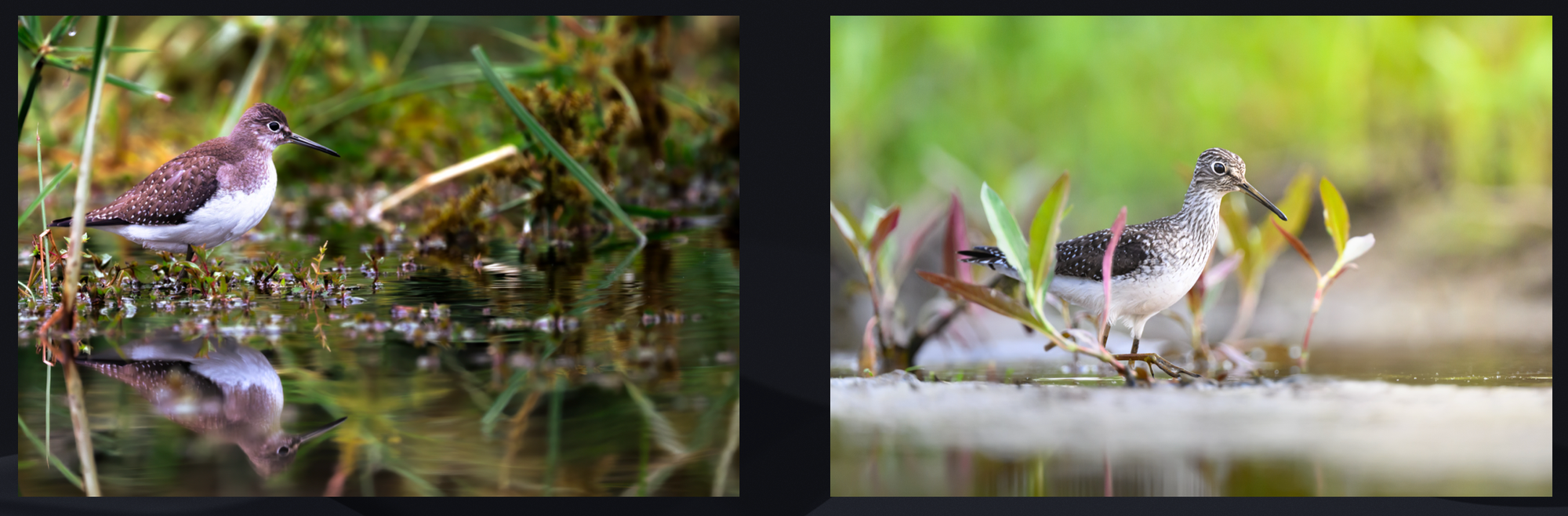
Level contributed to the difference between these two frames. But look at what else changed. The background. The angle to the ground altered what was behind the bird, how it rendered, what it contributed to the frame. That shift isn't really a Level observation. That's Depth. And it happened almost as a side effect of getting low, which tells you something important about how these principles work together. They compound. Each one makes the others more powerful.
Your background isn't just the stuff behind the bird. It's half the photograph. Sometimes more. And every decision you make about where to stand, how low to get, which angle to work from, is also a background decision whether you're thinking about it that way or not.
Before we get into the how I want to say something about the why. There is no single right way to use a background. What there is, is intention. A deliberately blurred background that isolates your subject is a choice. A background that tells you exactly where the bird lives is a choice. A tiny subject lost in a vast atmospheric landscape is a choice. All of them are valid. All of them can produce a great image. The question isn't which one is correct. It's which one serves what you want to say.
That's what this post is about. Not rules. Options.
Isolation: letting the subject breathe
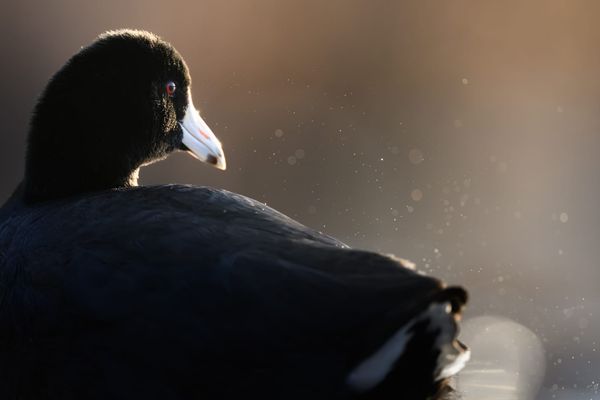
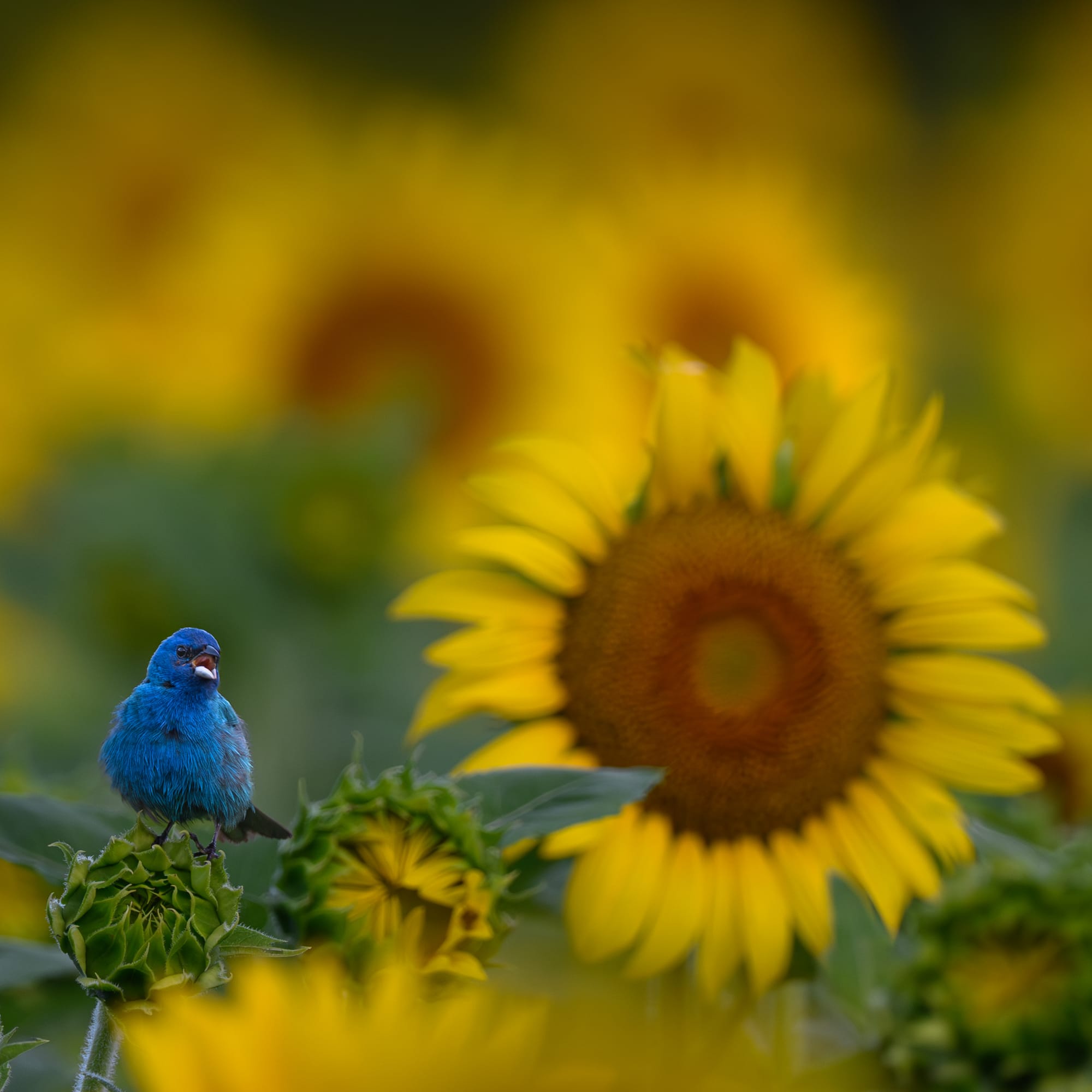
The most common use of background in wildlife photography is isolation. Using blur, distance, and angle to separate the subject cleanly from its surroundings so nothing competes for the viewer's attention. This is what most people are thinking about when they talk about bokeh, that smooth creamy background that makes a bird pop off the frame.
Isolation works because it forces the eye to the subject. There's nowhere else to go. The viewer lands on the bird and stays there. It's a powerful tool for portraits, for detail work, for images where the animal itself is the whole story.
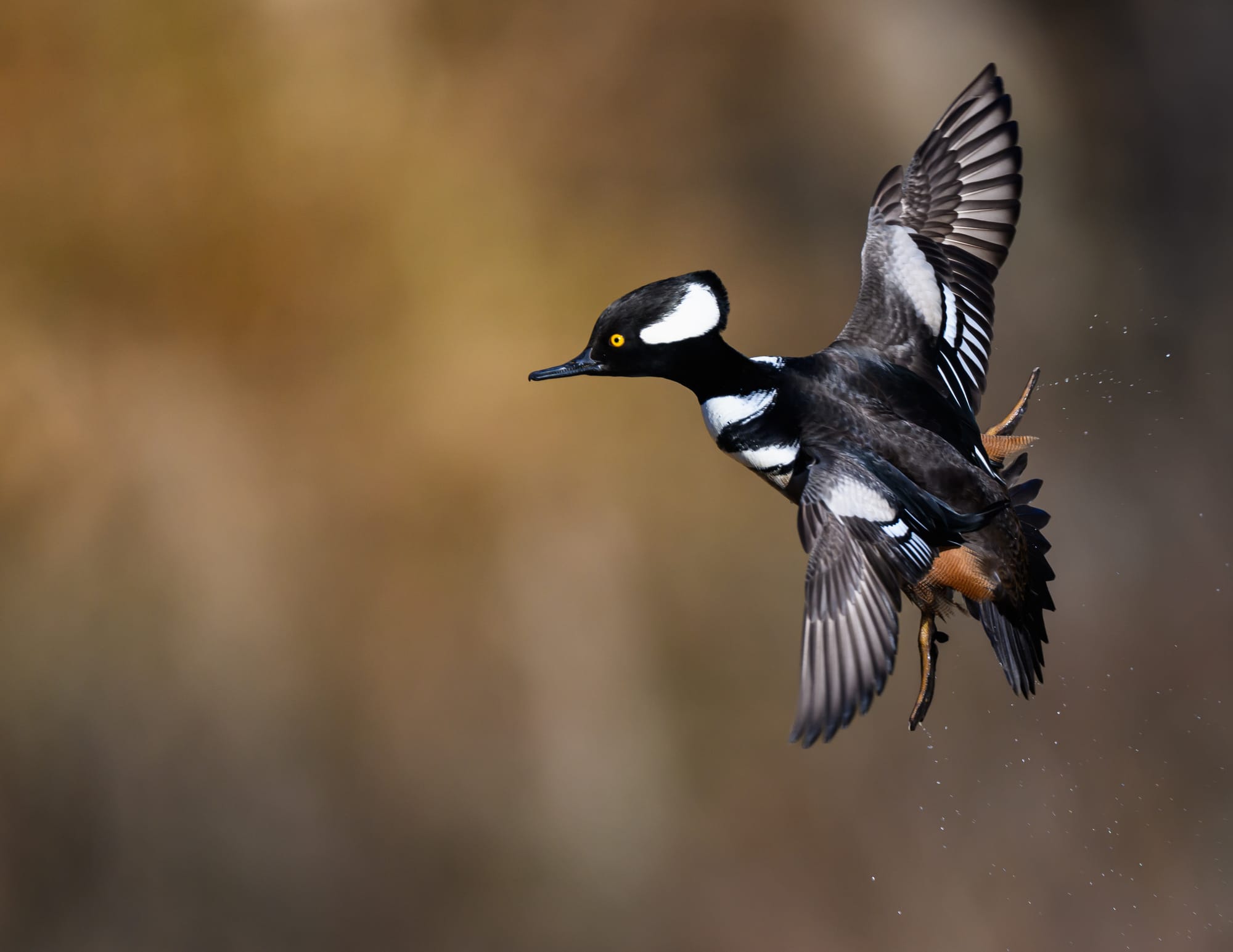
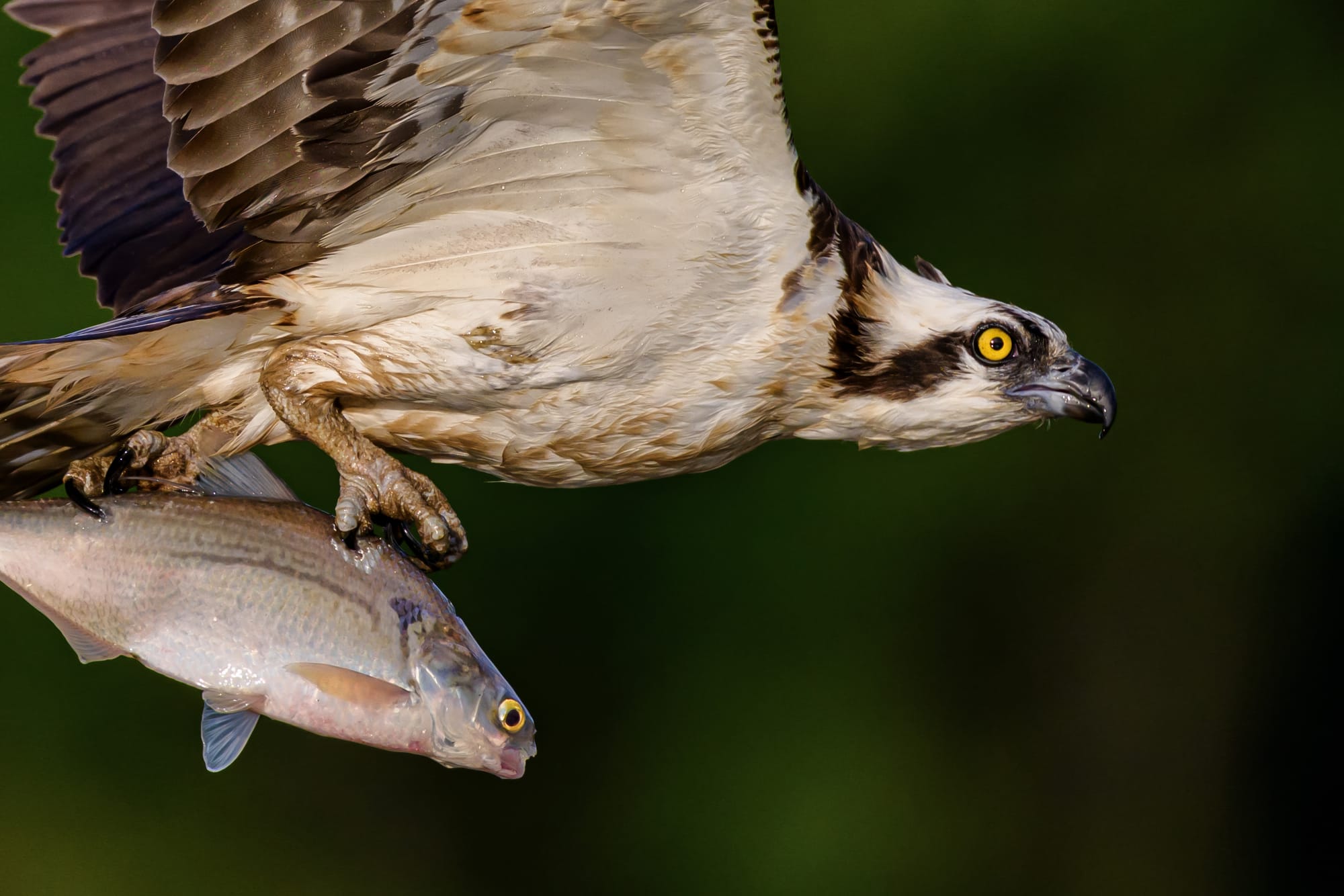
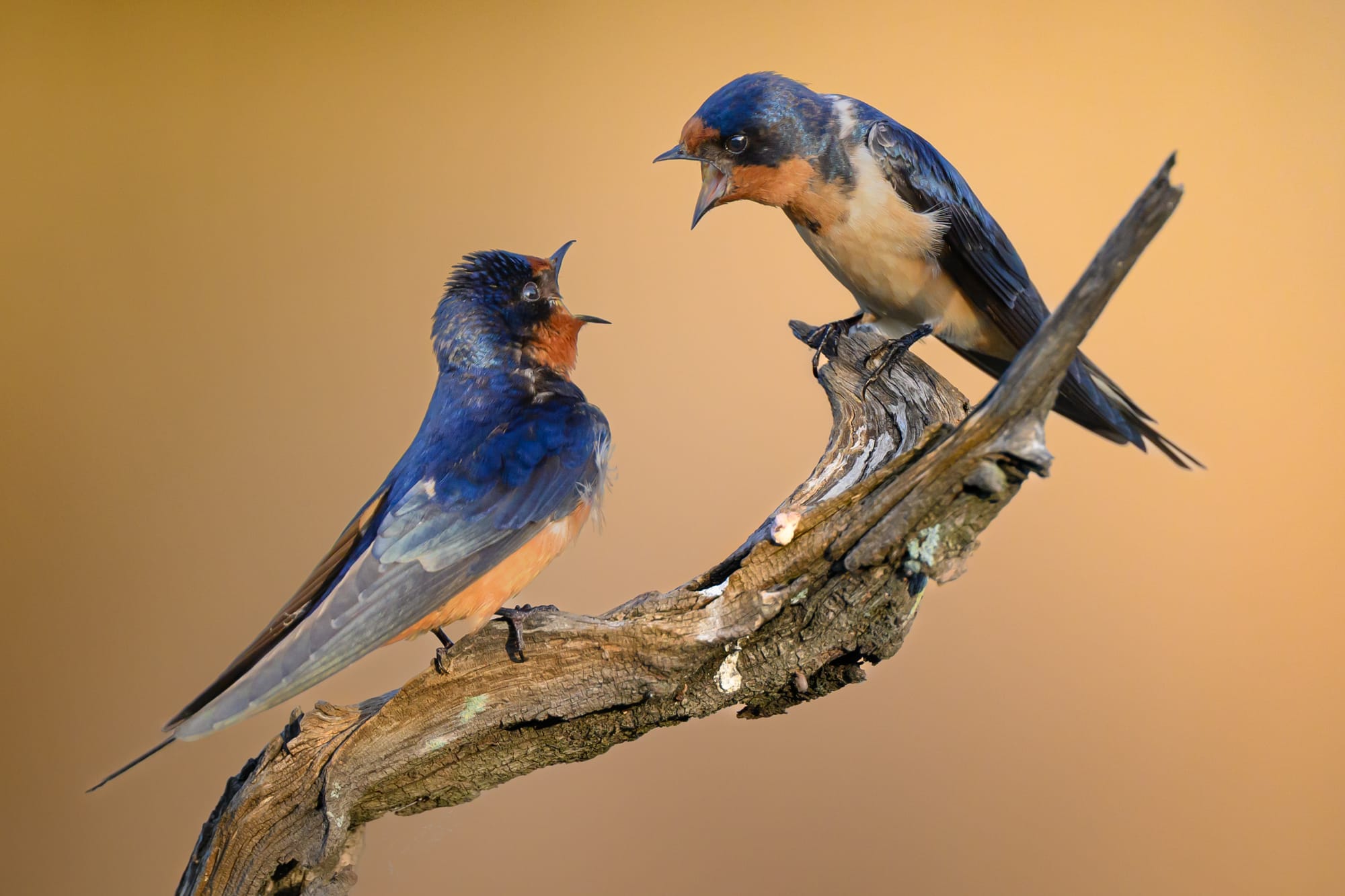
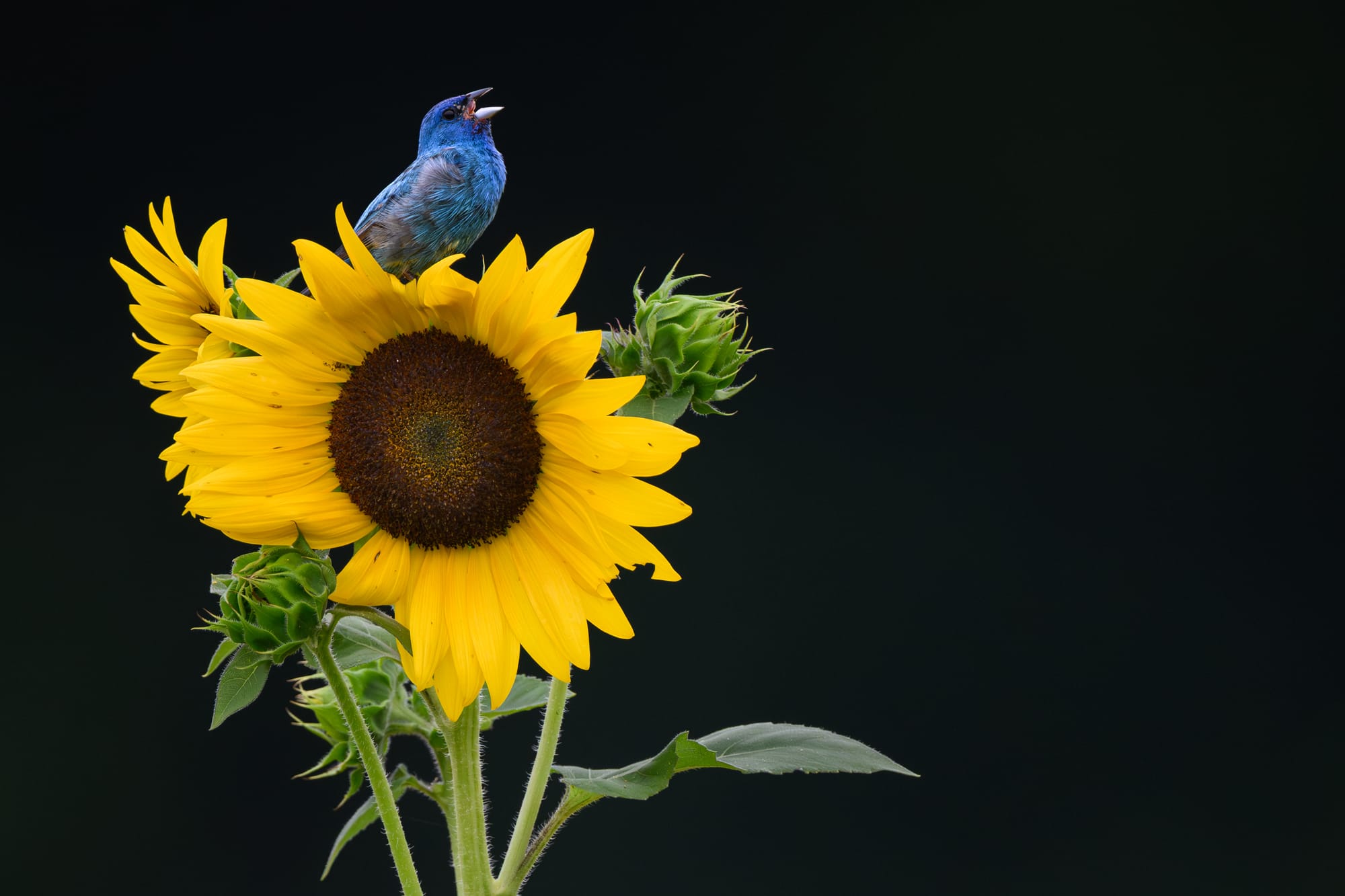
Smooth blurred backgrounds, yum
Getting isolation right is partly a gear decision, longer lenses and wider apertures help, but it's mostly a positioning decision. You're looking for a clean background before you ever think about the subject. Where is the light coming from, what's behind the bird, how far is that background from the subject. The further the background the more it blurs. A bird perched in front of a distant tree line will give you something completely different than the same bird in front of a nearby bush.
The thing to watch for is clutter at the edges of the frame. A branch cutting through the corner, a distracting highlight behind the subject's head, a patch of bright sky that pulls the eye away from the bird. These are background decisions and they're worth moving for. Three steps to the left can completely change what's happening behind your subject.
Storytelling: putting the bird somewhere
Isolation is powerful but it's not always what the image needs. Sometimes the background isn't a distraction, it's the context. It tells you where the bird is, what it's doing, what world it inhabits. And without it the image loses something essential.
A great blue heron standing in fog is one kind of image. A great blue heron standing in fog at the edge of a marsh with the dead trees and still water visible behind it is a different and richer one. The background isn't competing with the subject. It's completing it.
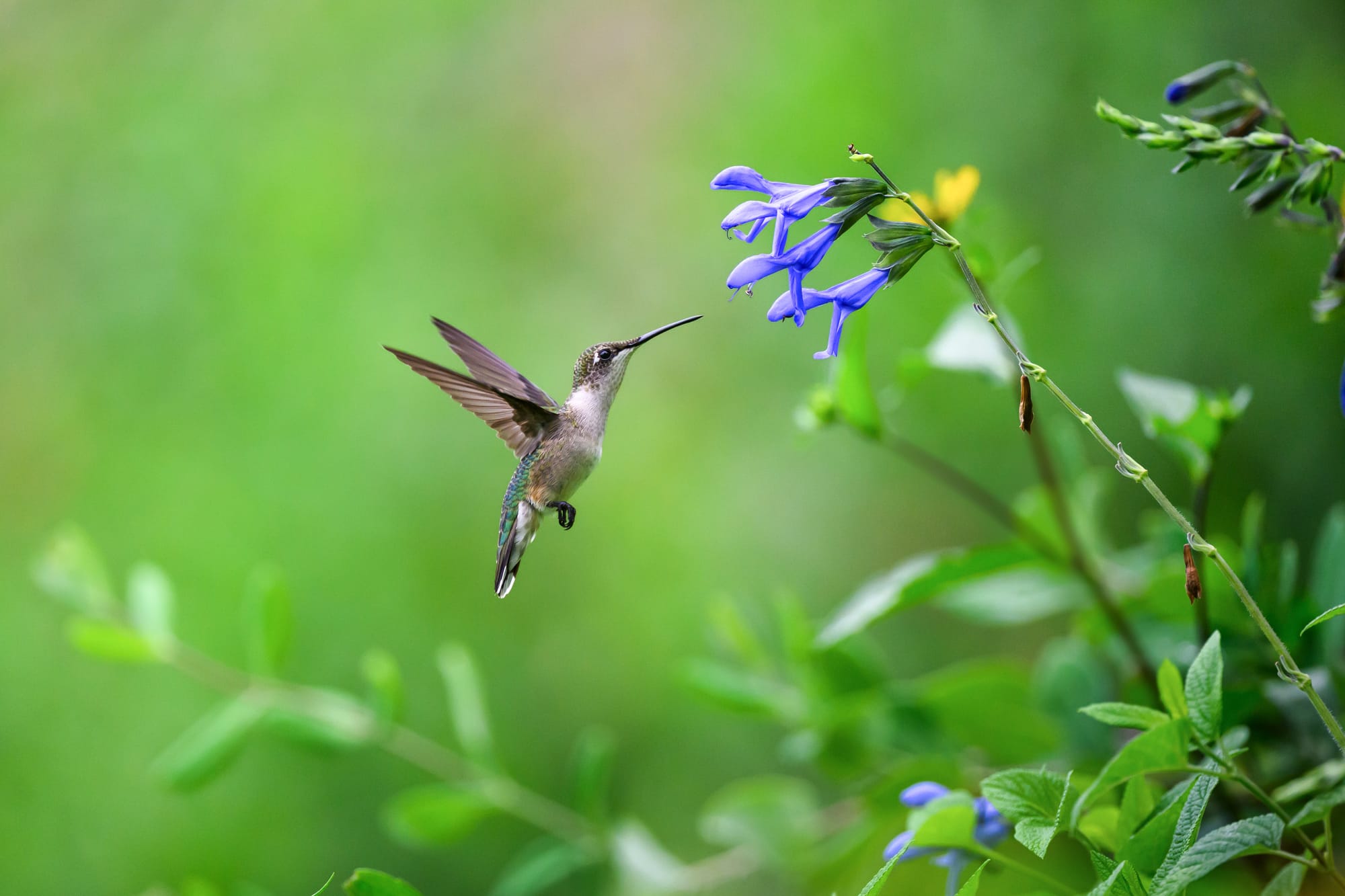
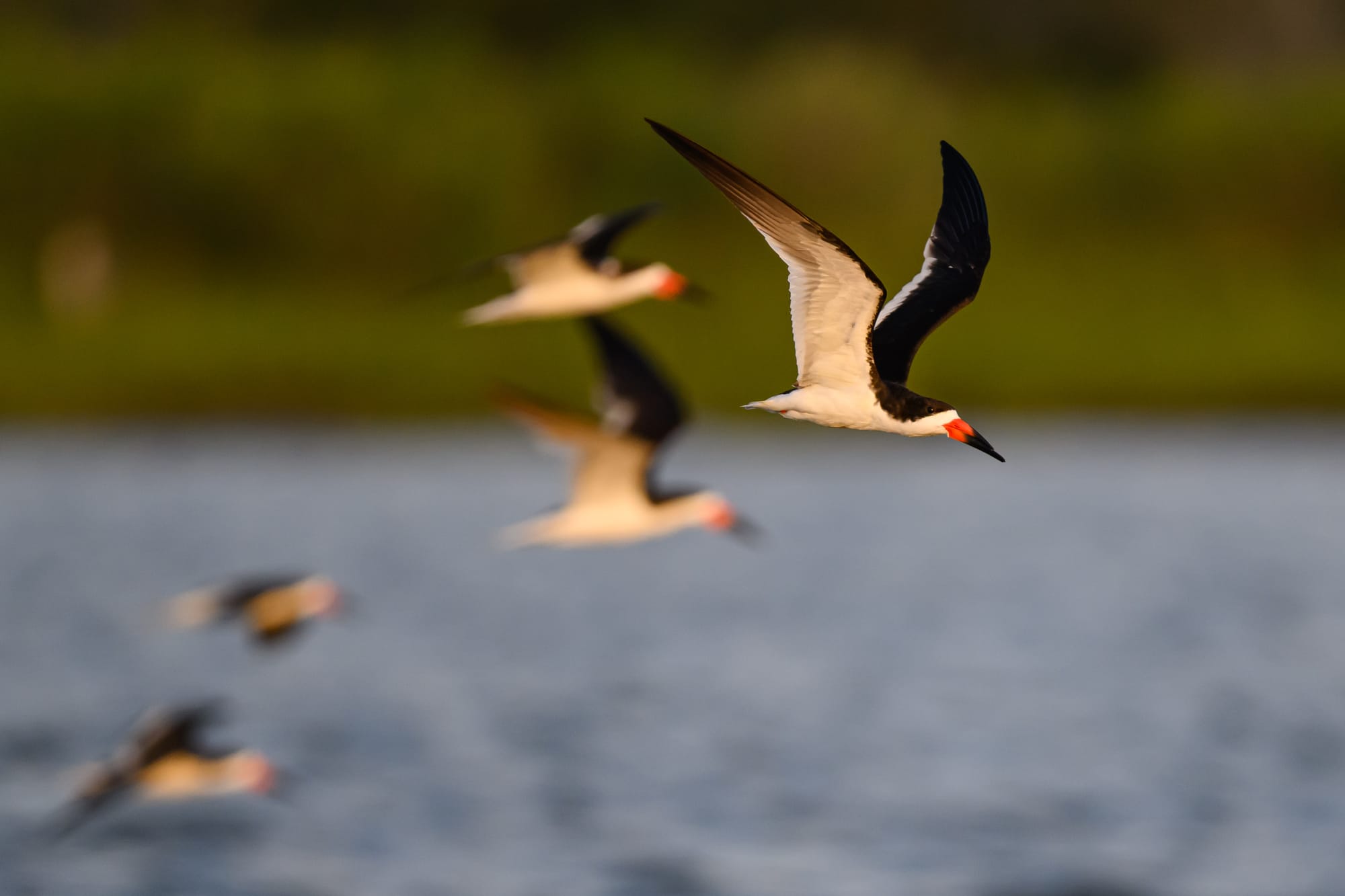
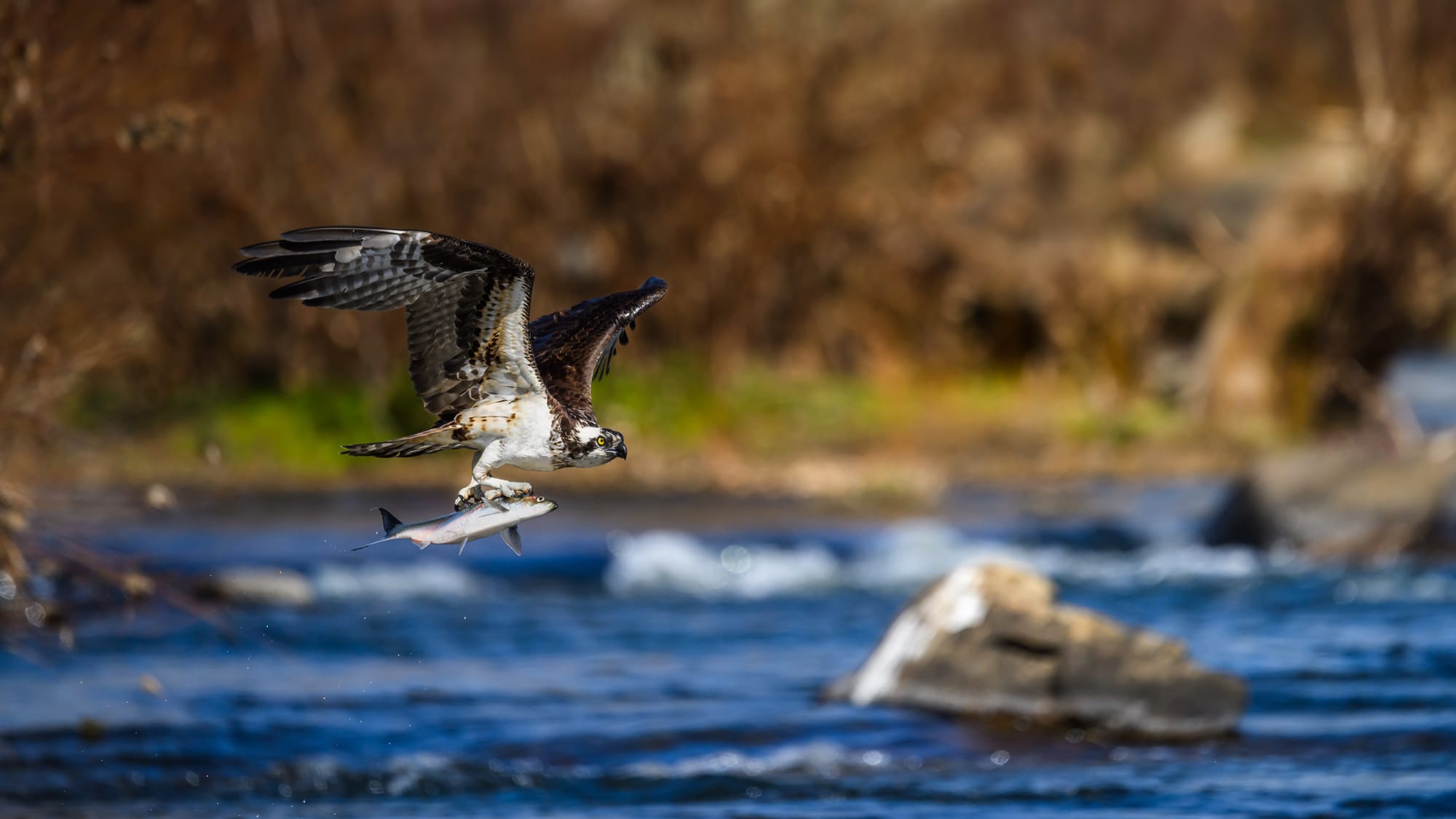
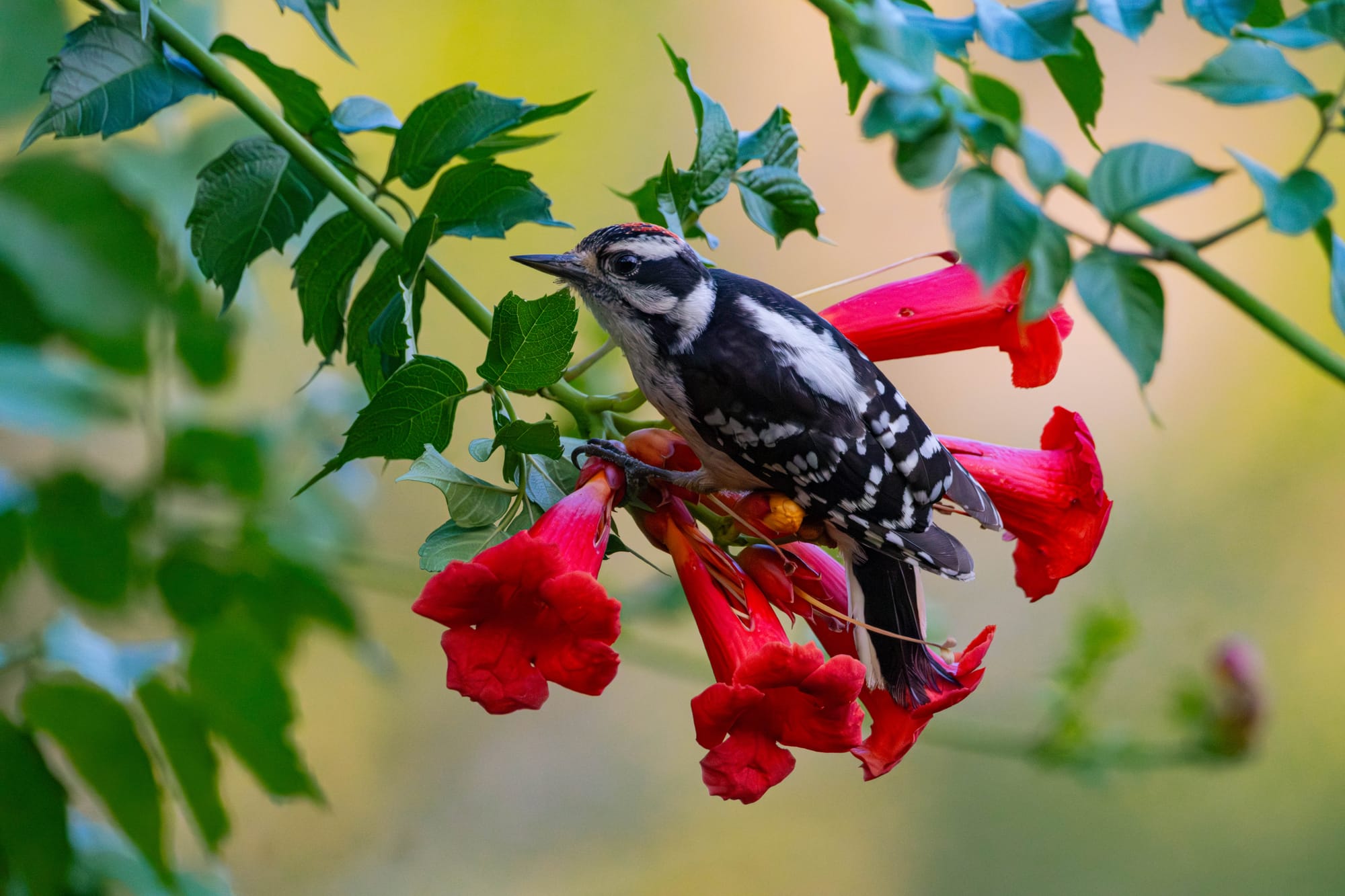
This is how I shoot, most of the time
This is the approach I'd call street photography for birds, which is how I've always described my style. I'm not trying to isolate my subjects from their world. I'm trying to show them in it. The puddle they're drinking from, the branch they've claimed, the specific quality of light at that specific place on that specific morning. The background is evidence. It makes the image feel like something that actually happened rather than something that was staged.
The practical key here is resisting the impulse to always seek the cleanest angle. Sometimes a little environmental context in the background elevates the image. A single reed in the foreground, the suggestion of water, the color of the trees in a particular season. These things place the bird in the world and give the viewer something to feel beyond just the bird itself.
Atmosphere: mood as the whole point
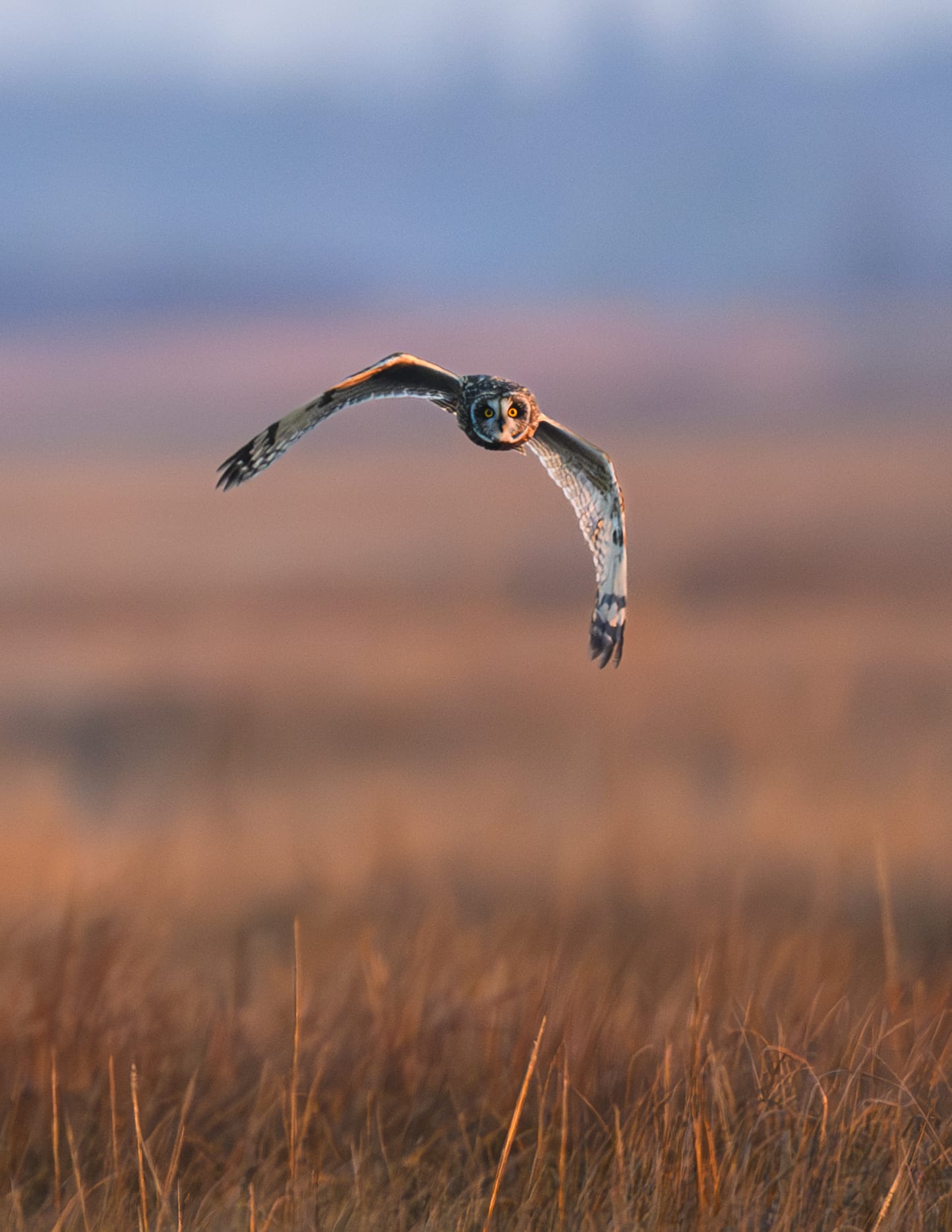
Then there are images where the background isn't just context. It's the entire emotional register of the photograph. The fog isn't behind the puffin, the fog is the point. The golden bokeh balls aren't just a nice blur, they're the whole feeling of that evening. The background becomes the atmosphere and the atmosphere becomes the image.
This is where Depth and Illuminate overlap most directly. The backgrounds that create the strongest atmosphere are almost always backlit ones, the light source in the background throwing everything into that luminous blur that feels warm and alive. The subject sits inside that atmosphere rather than in front of it.
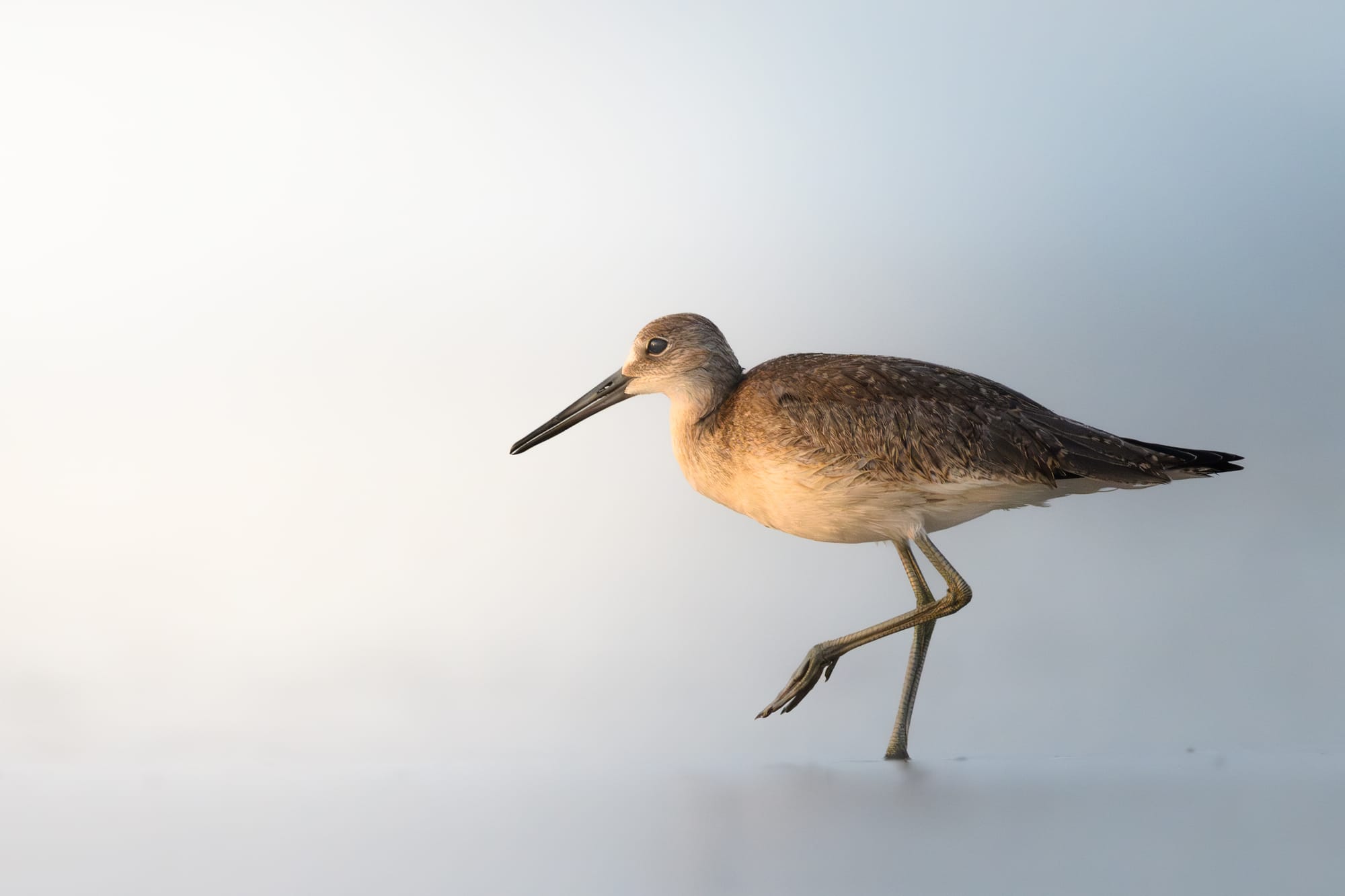
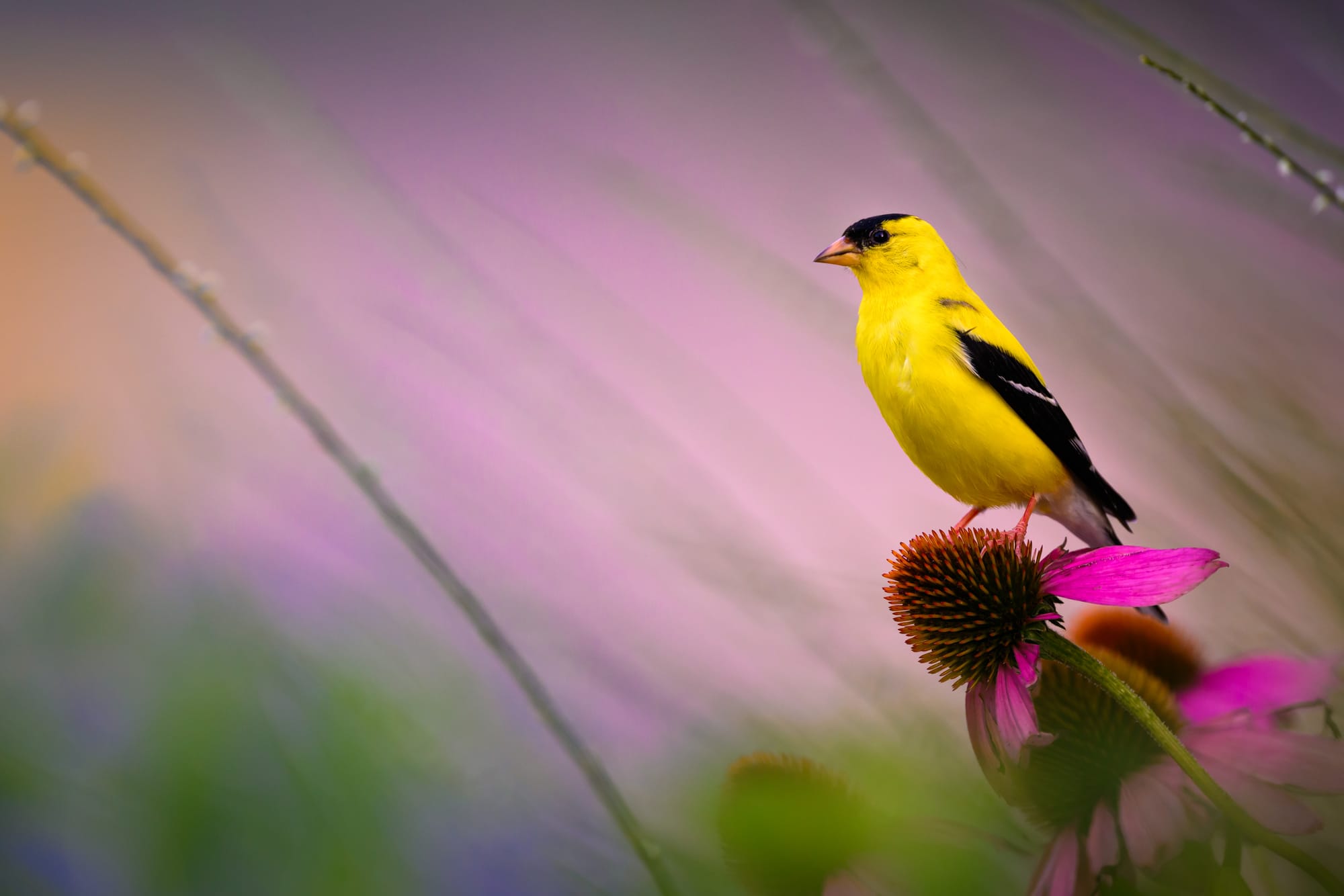
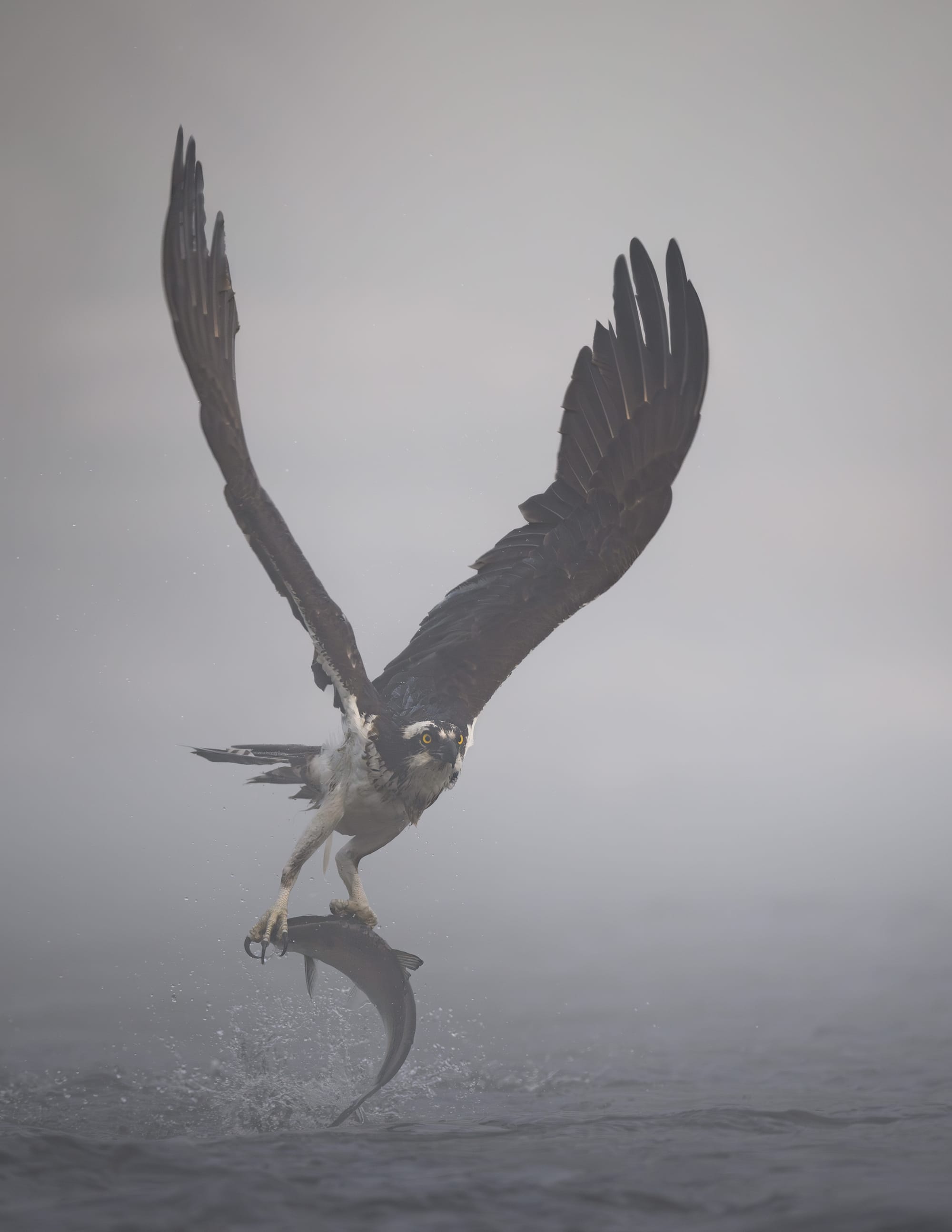
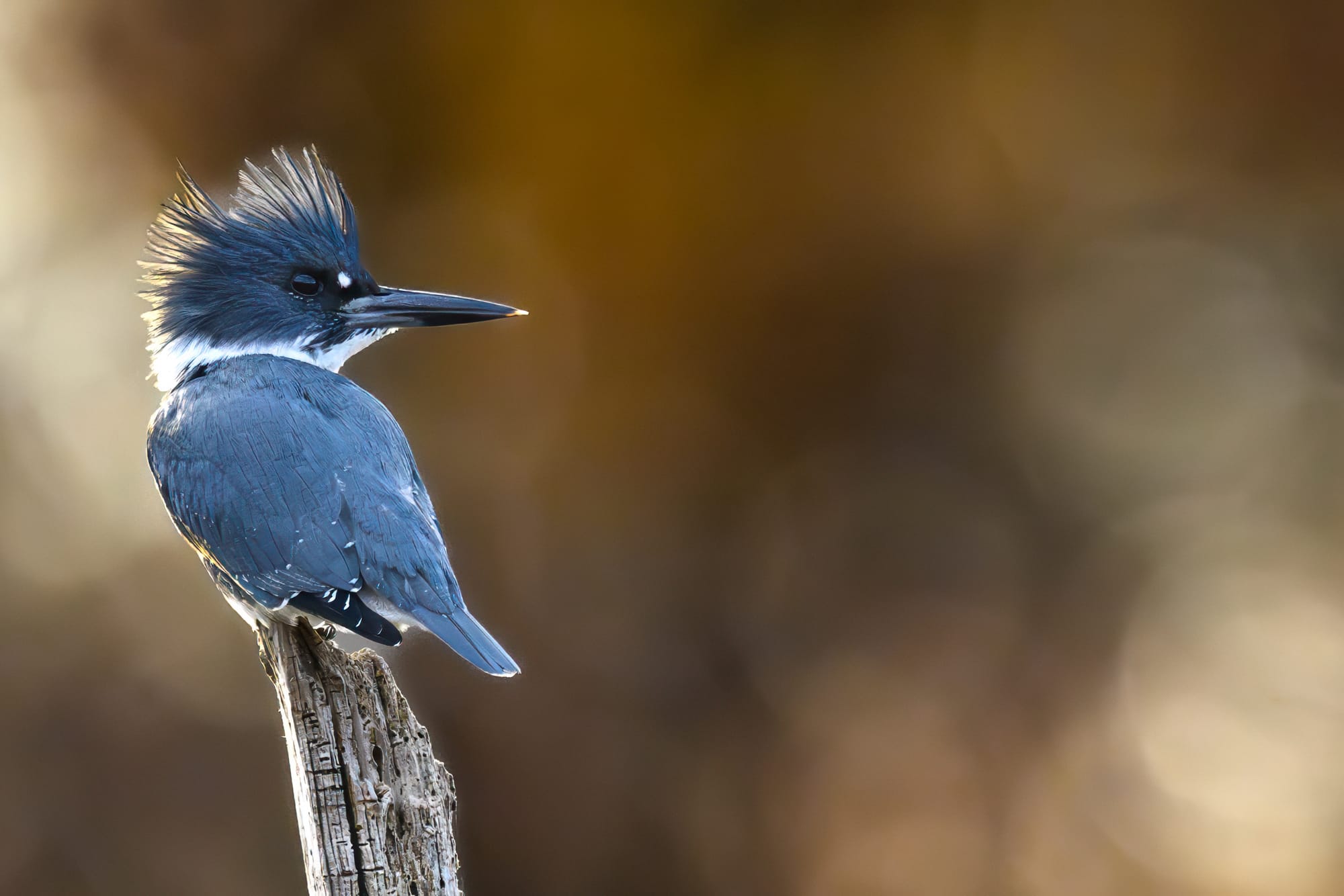
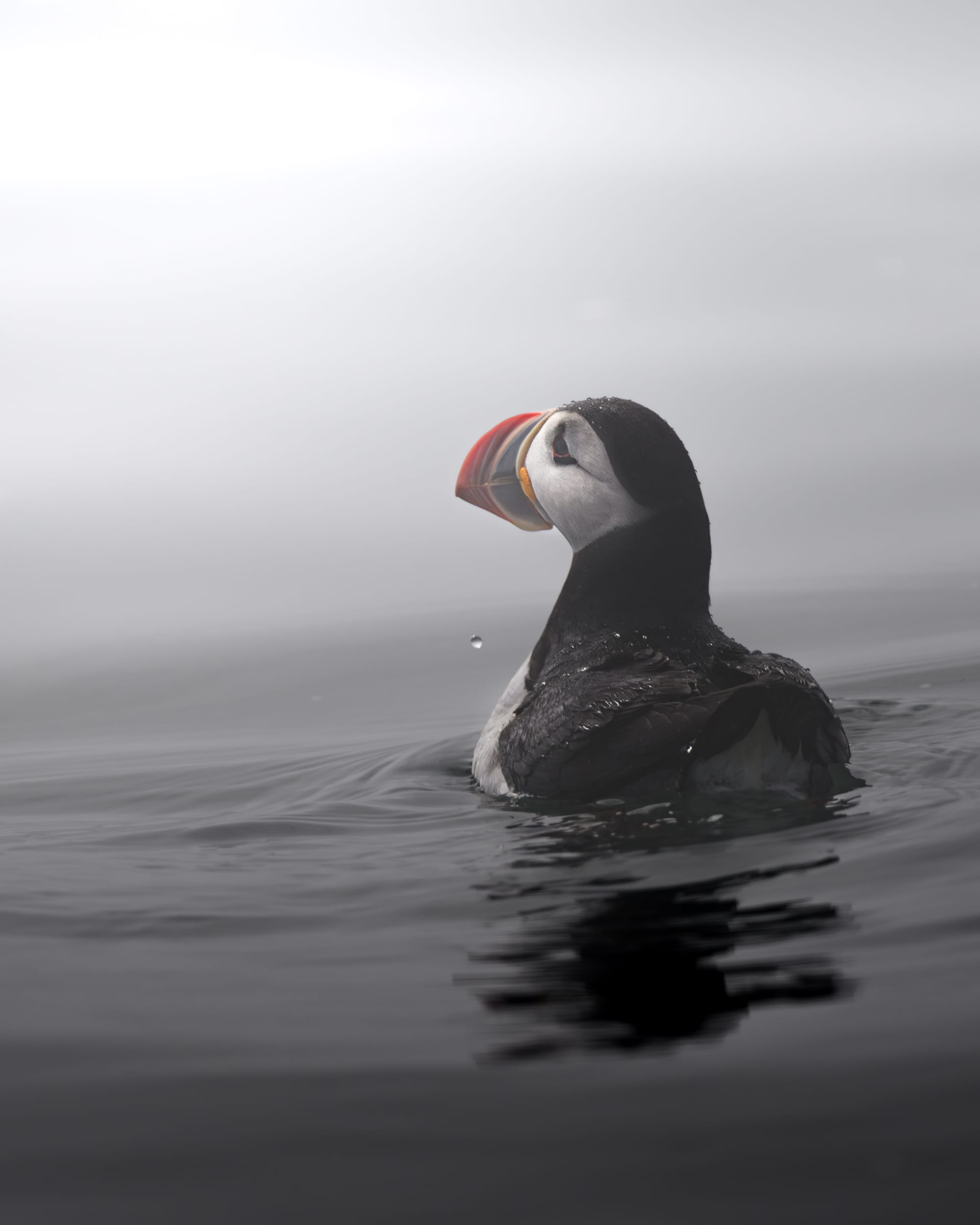
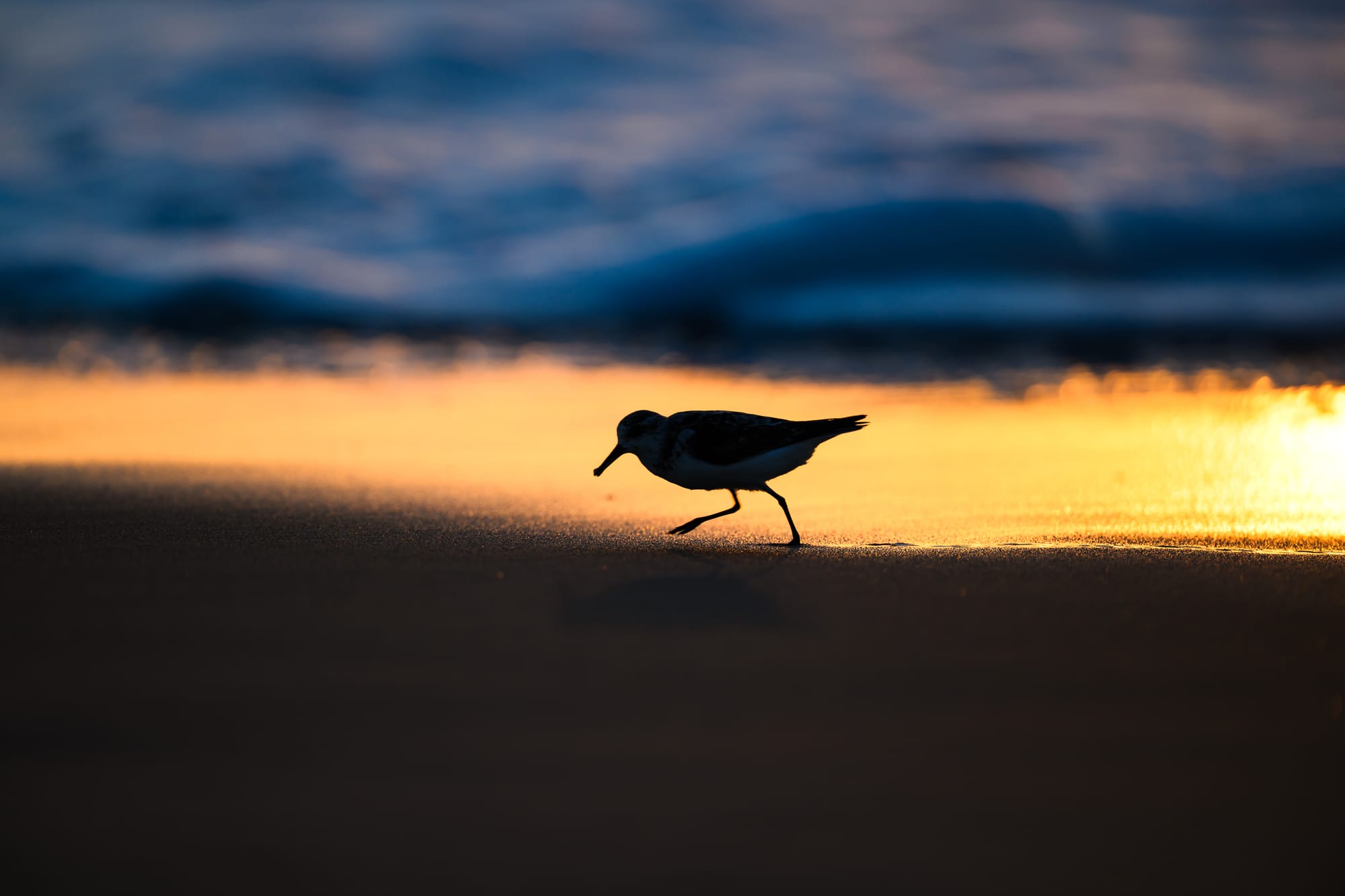
This is how I shoot when the universe is friendly to me
Atmosphere is the hardest of the three to manufacture because it's the most dependent on conditions. You can find a clean background anywhere. You can give context to almost any bird. But that specific quality of golden evening light through trees, or the flat silver of fog on open water, or the deep orange of a sunrise reflected on still water behind a silhouette, those are gifts and you have to be there when they arrive.
What you can do is position yourself to make the most of them when they do. Know what the background is going to look like before the light hits. Think about what the atmosphere is going to be at golden hour and get yourself in front of it. The bird will show up. Be ready for it.
The subject doesn't have to fill the frame
I want to push back on something that I think holds a lot of photographers back. The instinct to always fill the frame with the subject, to zoom in as tight as possible, to make the bird as large as it can be. More focal length, more crop, more subject. It's a natural impulse and sometimes it's exactly right.
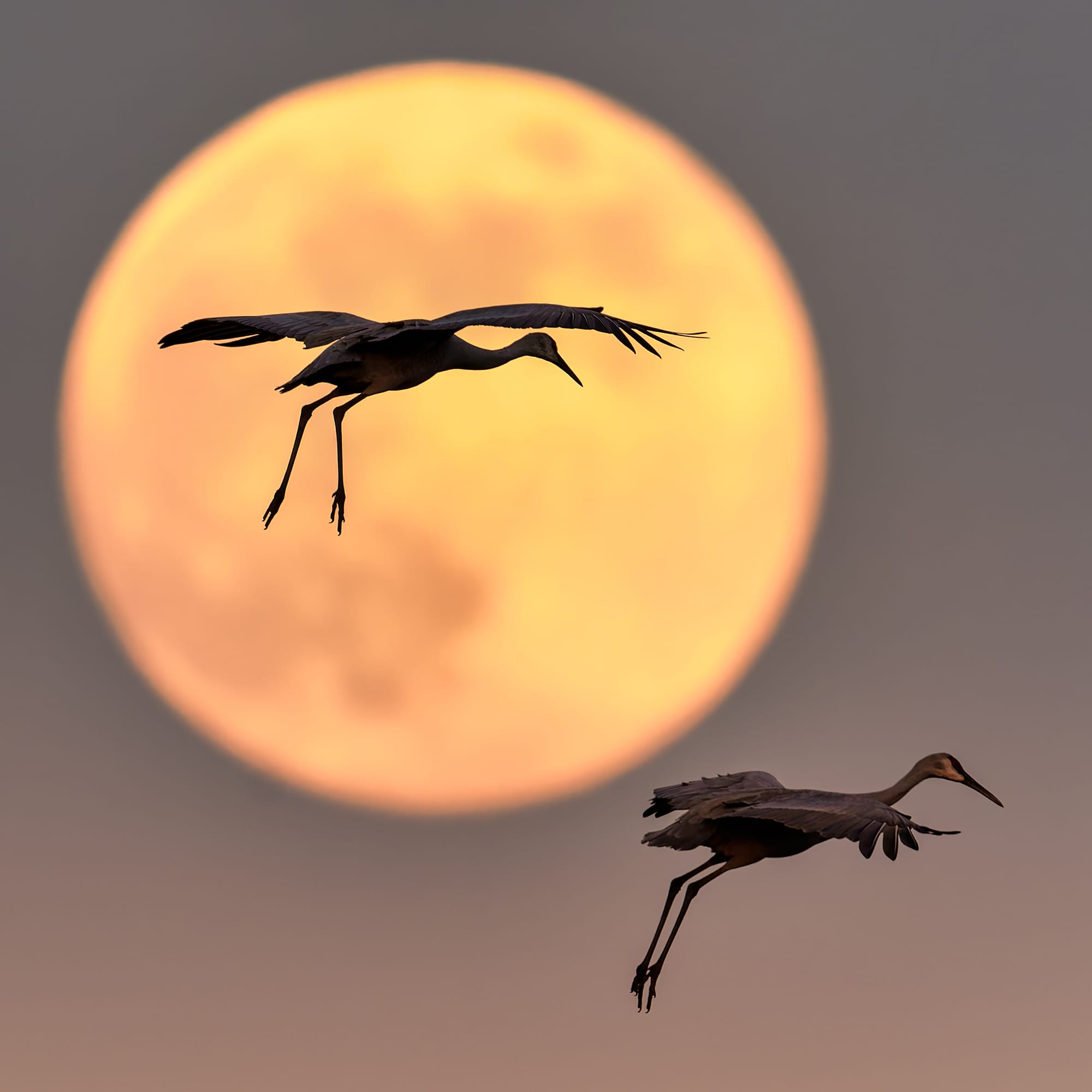
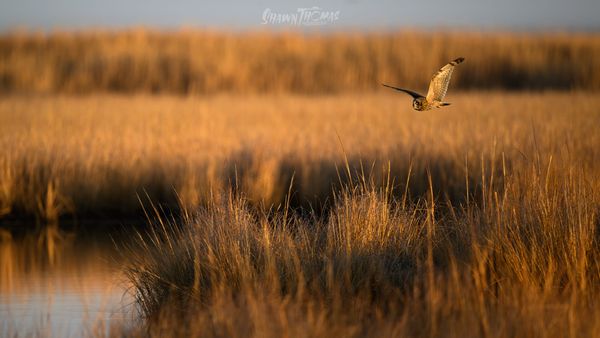
But some of the most powerful wildlife images I've ever made have the subject very small in the frame. A puffin alone on an expanse of flat gray water. A single bird against a mountain of sky. An eagle that's barely a silhouette in a landscape that goes on forever.
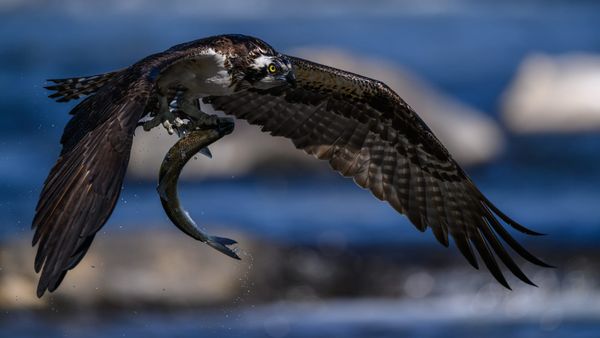
I'll tell you something as someone who prints a lot of their work and actually lives with it on the walls. These are often the images I hang. Not the tight portraits, not the action shots with the fish in the talons. The quiet ones. The small subject in the big world. They reward long looks in a way that spectacle doesn't. The more time you spend with them the more you find. That's the kind of image I want to make and it almost always starts with resisting the urge to crop in tighter.
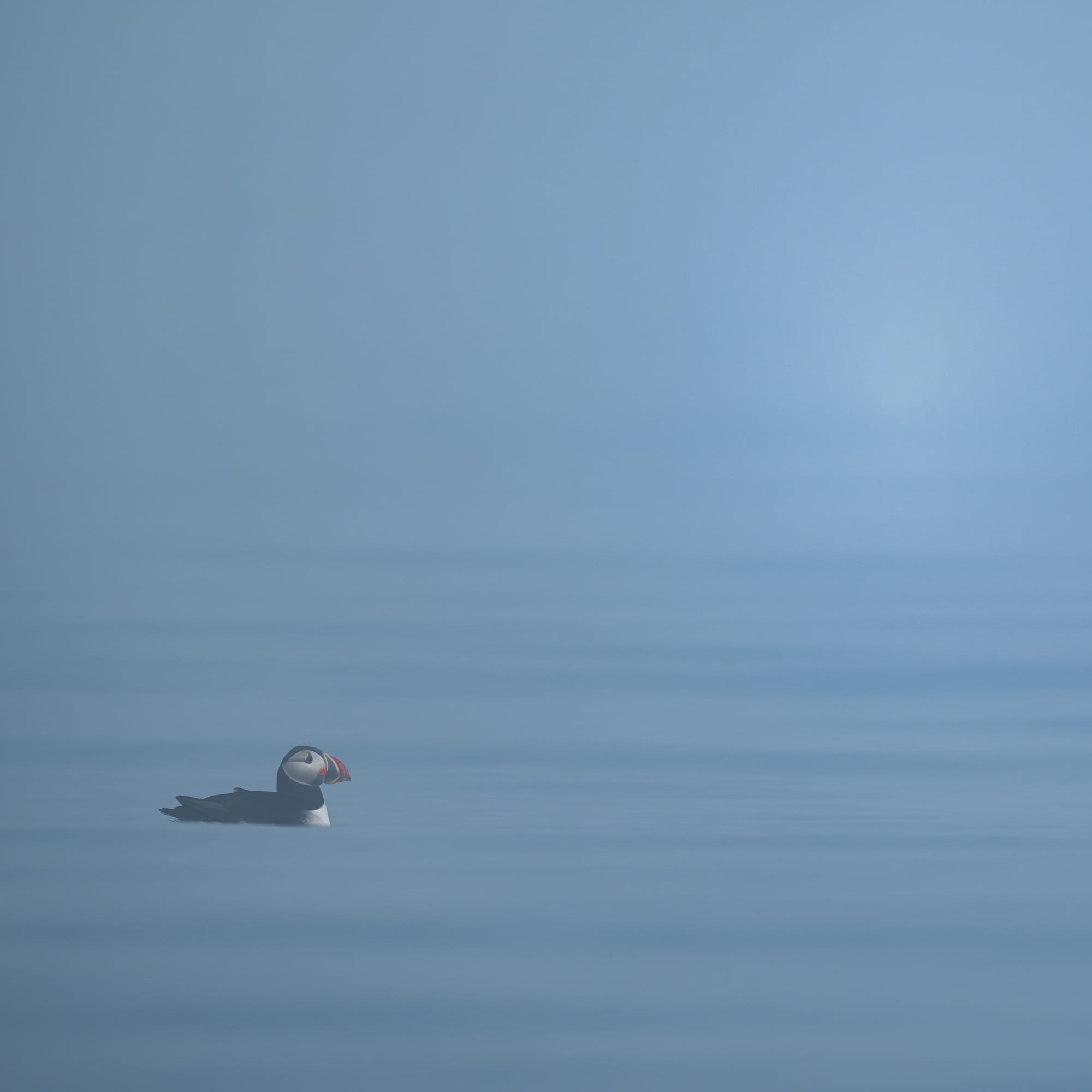
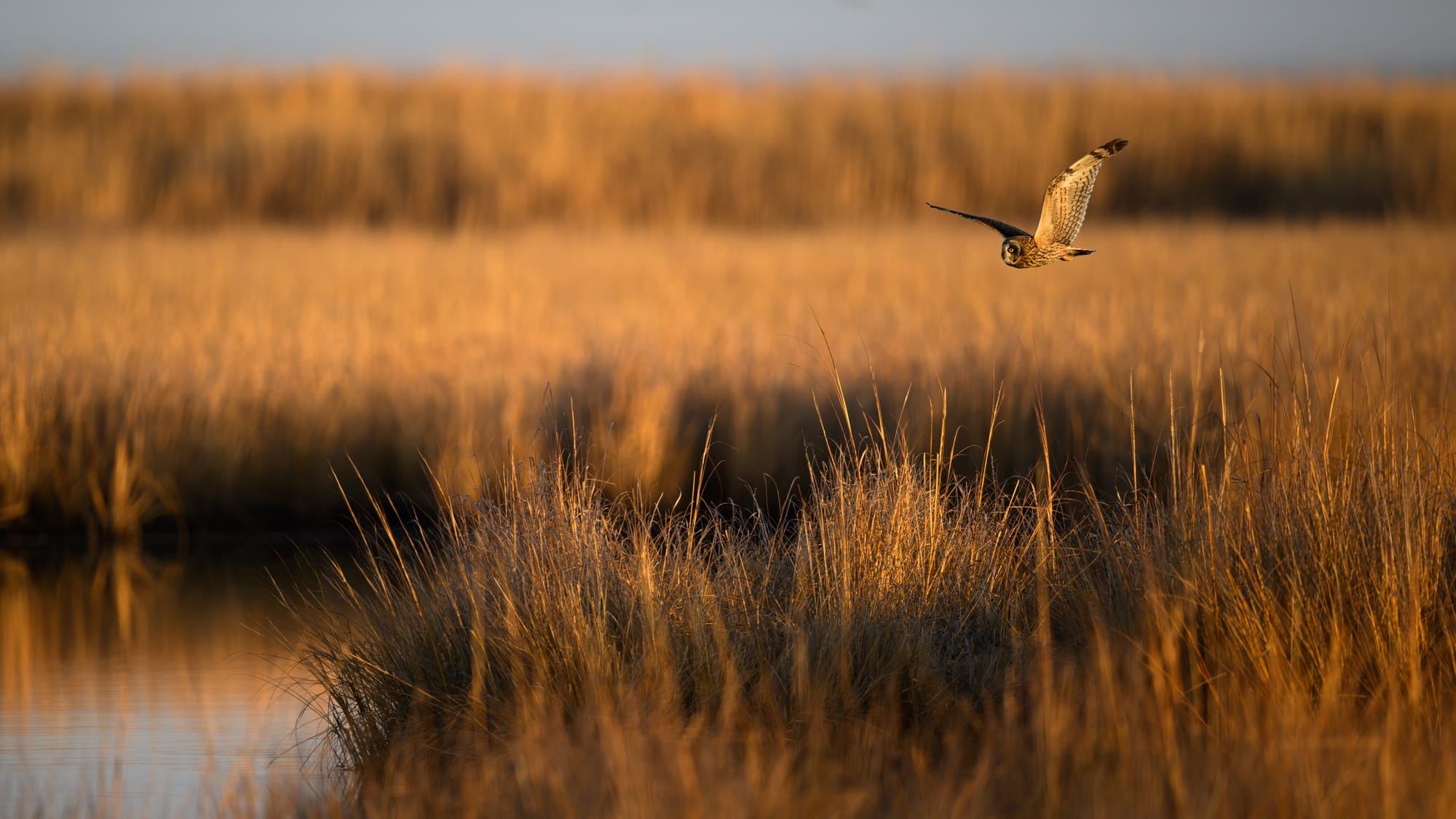
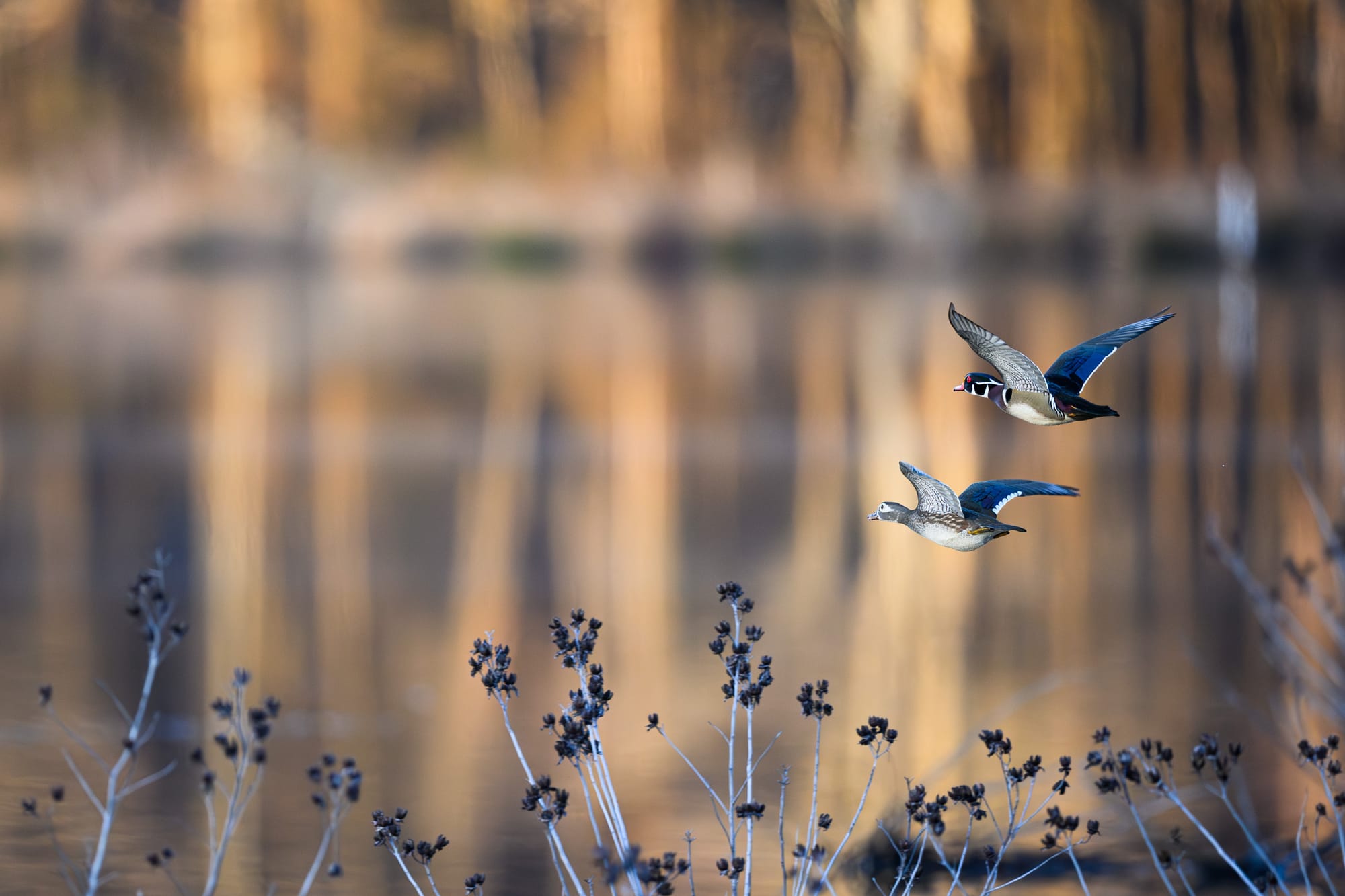
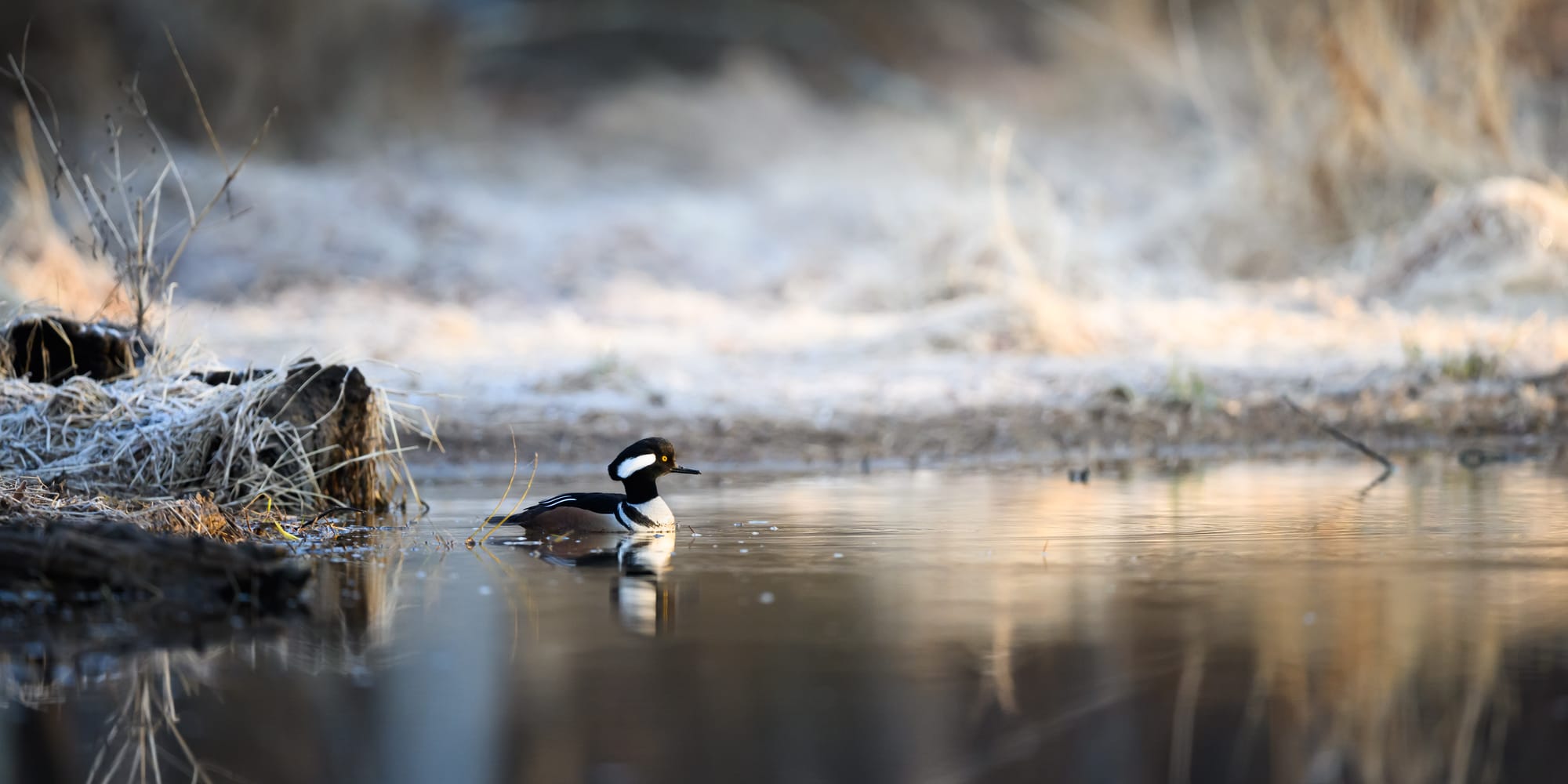
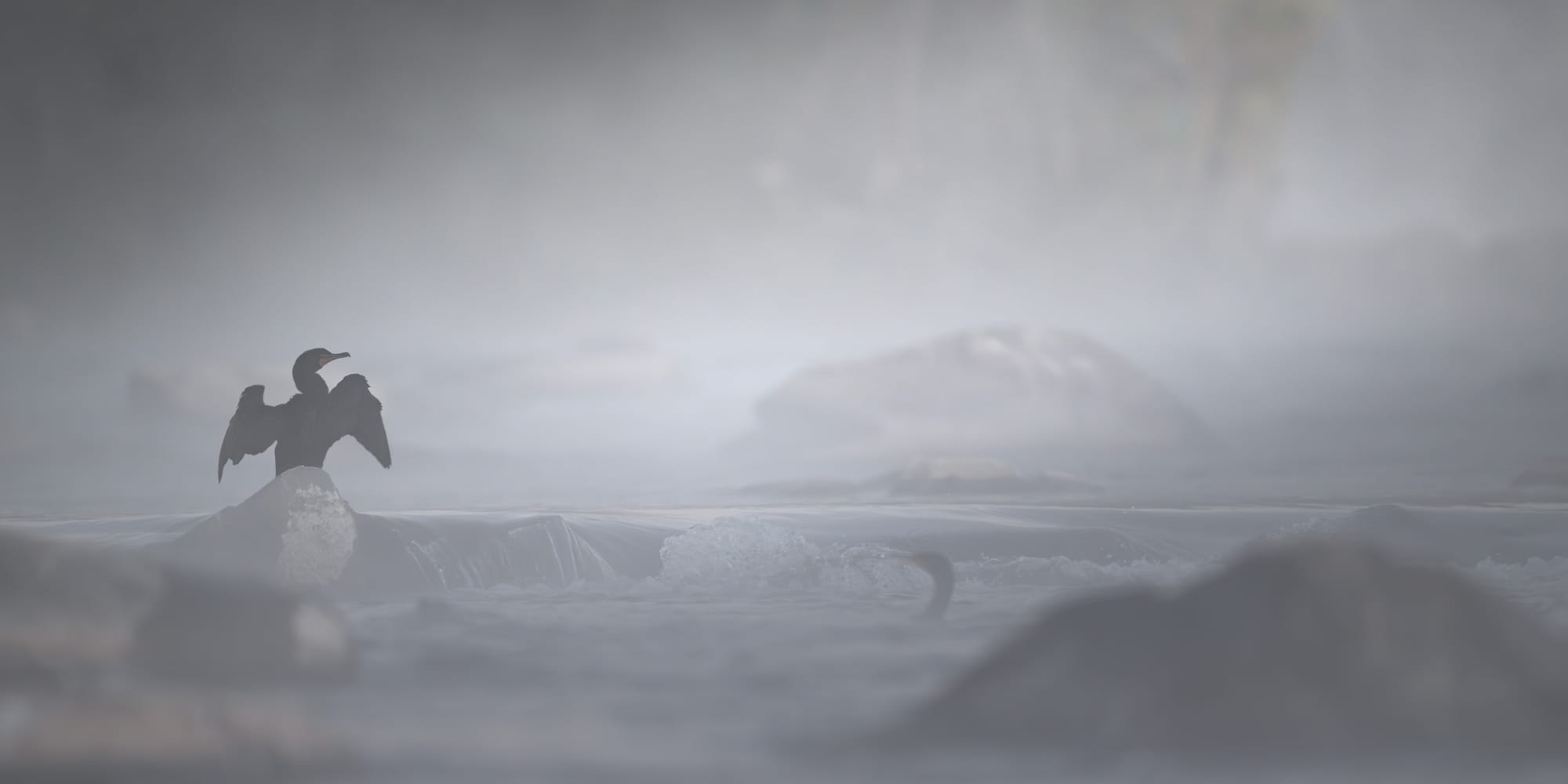
I seem to really like pano format for this stuff, honestly I like pano formats in general even if social media doesn't
When the subject is small it changes the relationship between the animal and its world. The bird isn't the whole story anymore, it's a detail in a larger one. The vastness of the environment becomes part of what the image is about. It communicates something about scale and wildness that a tight portrait simply can't.
Sometimes you may even want the subject to be really small in the frame.
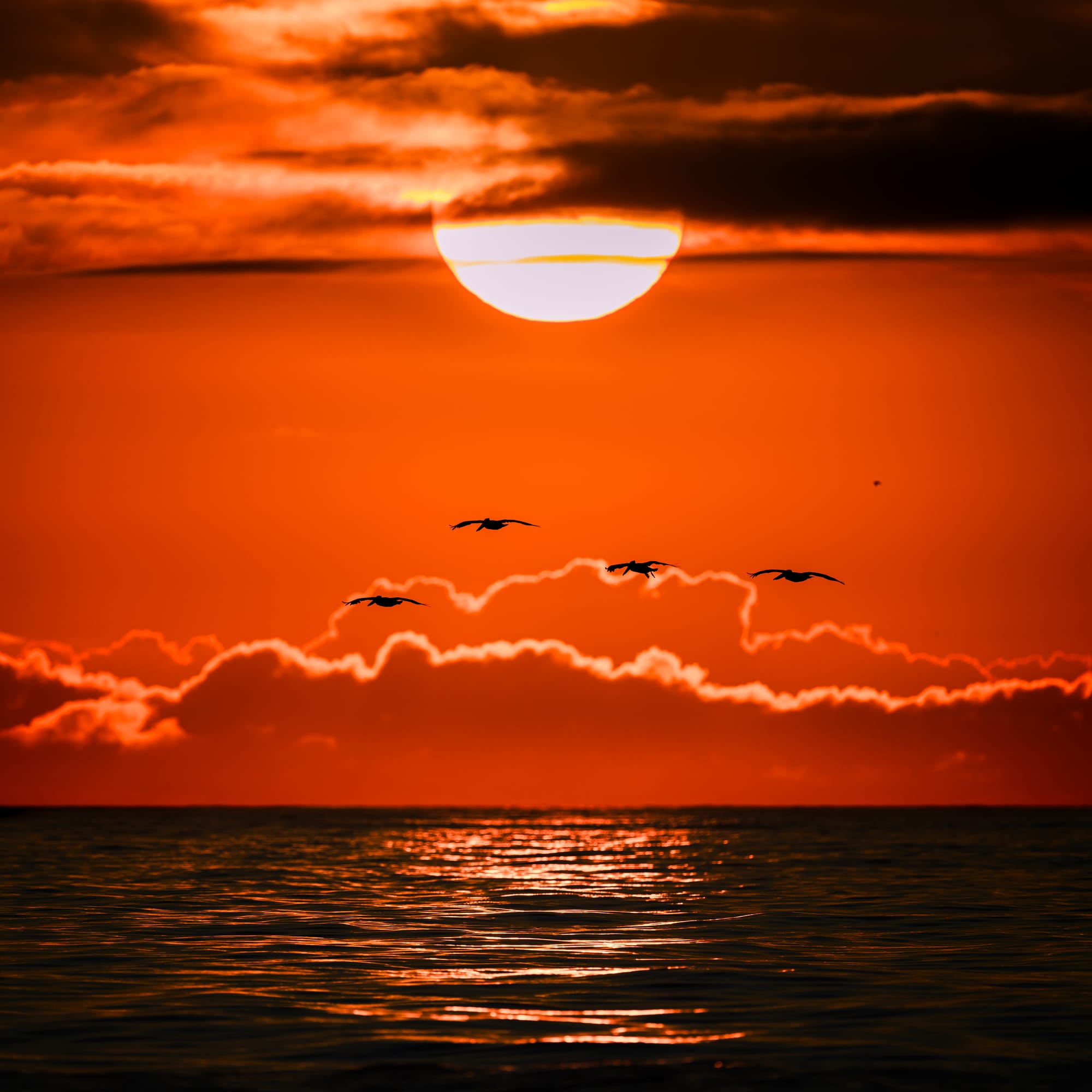
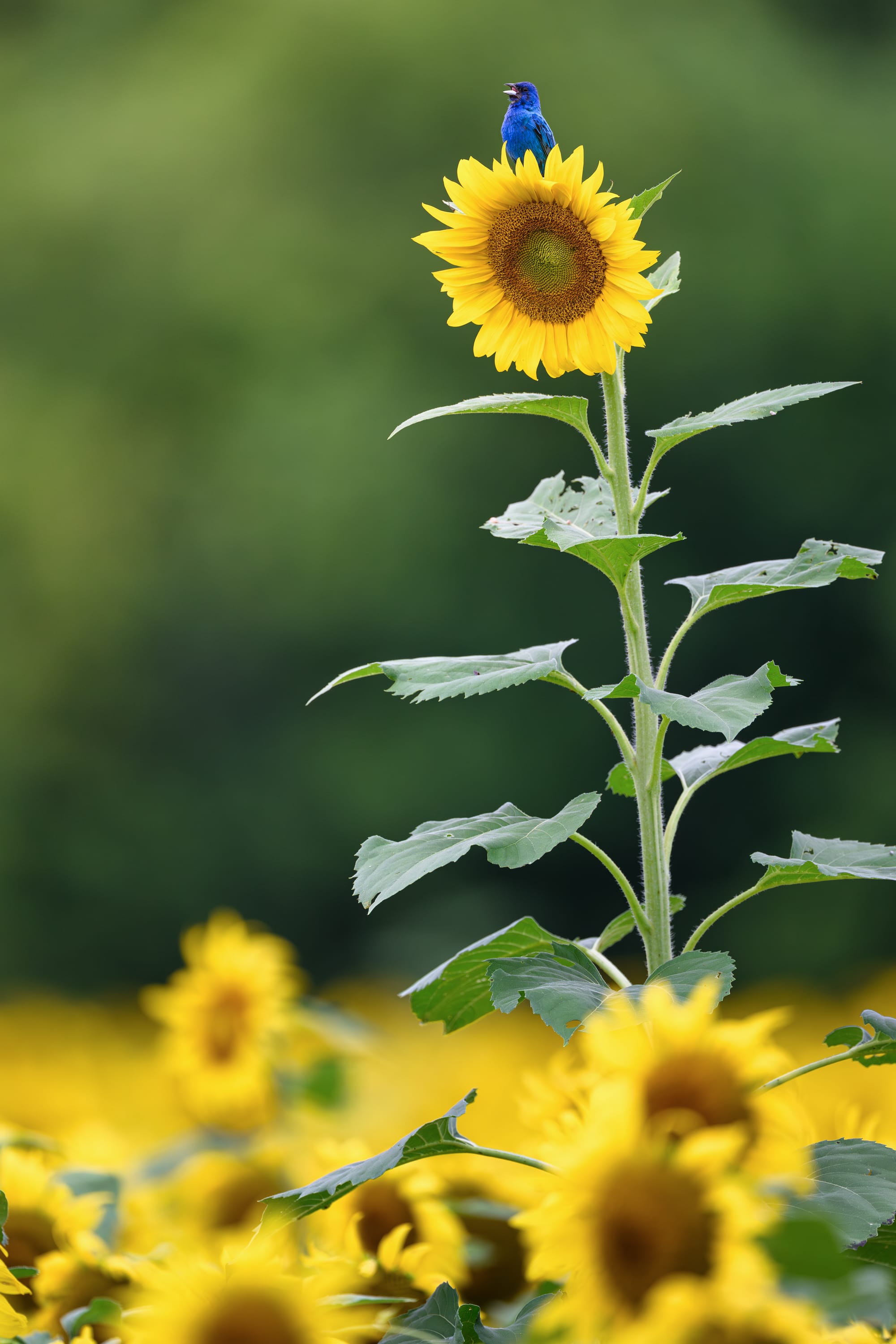
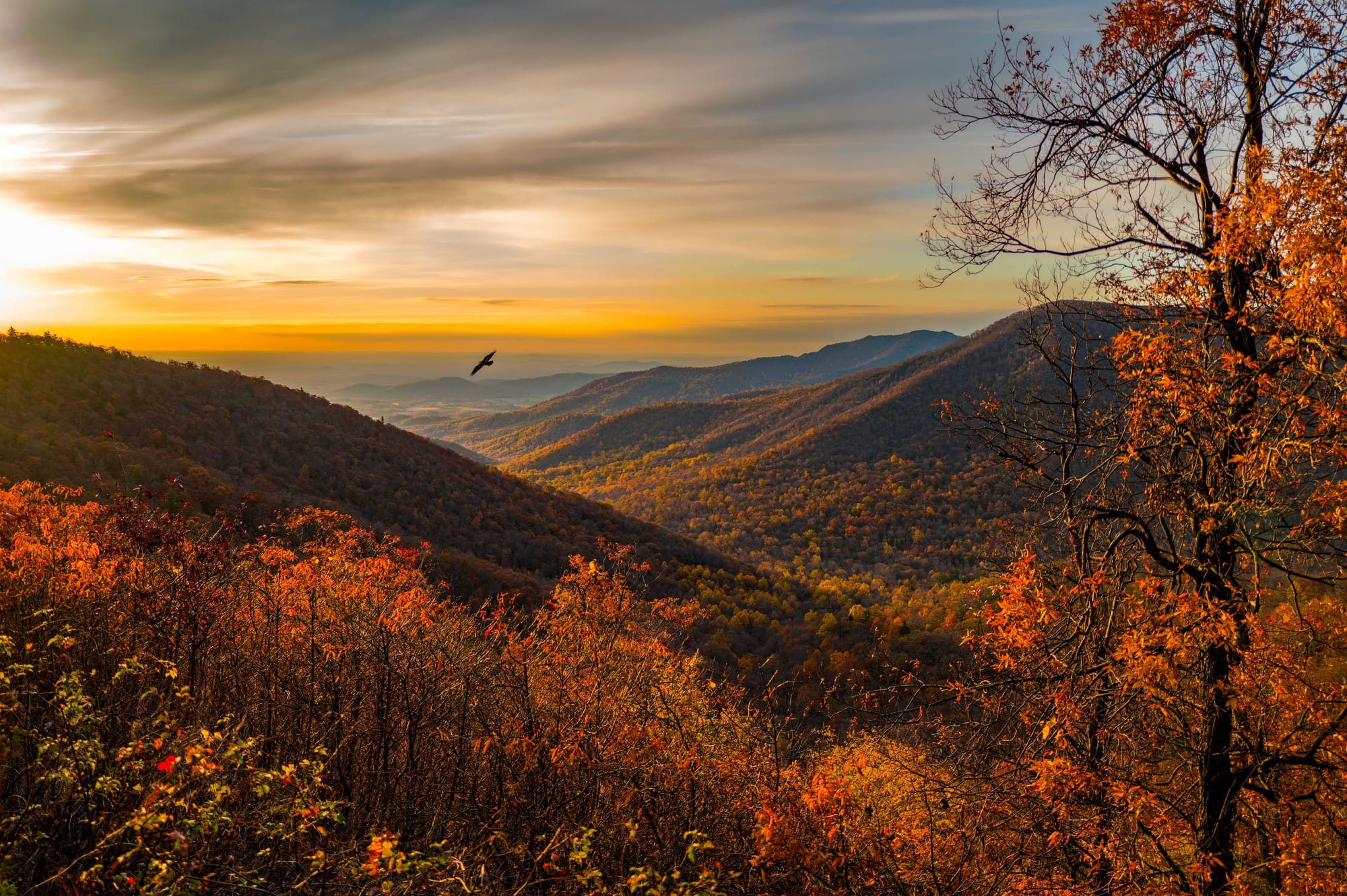
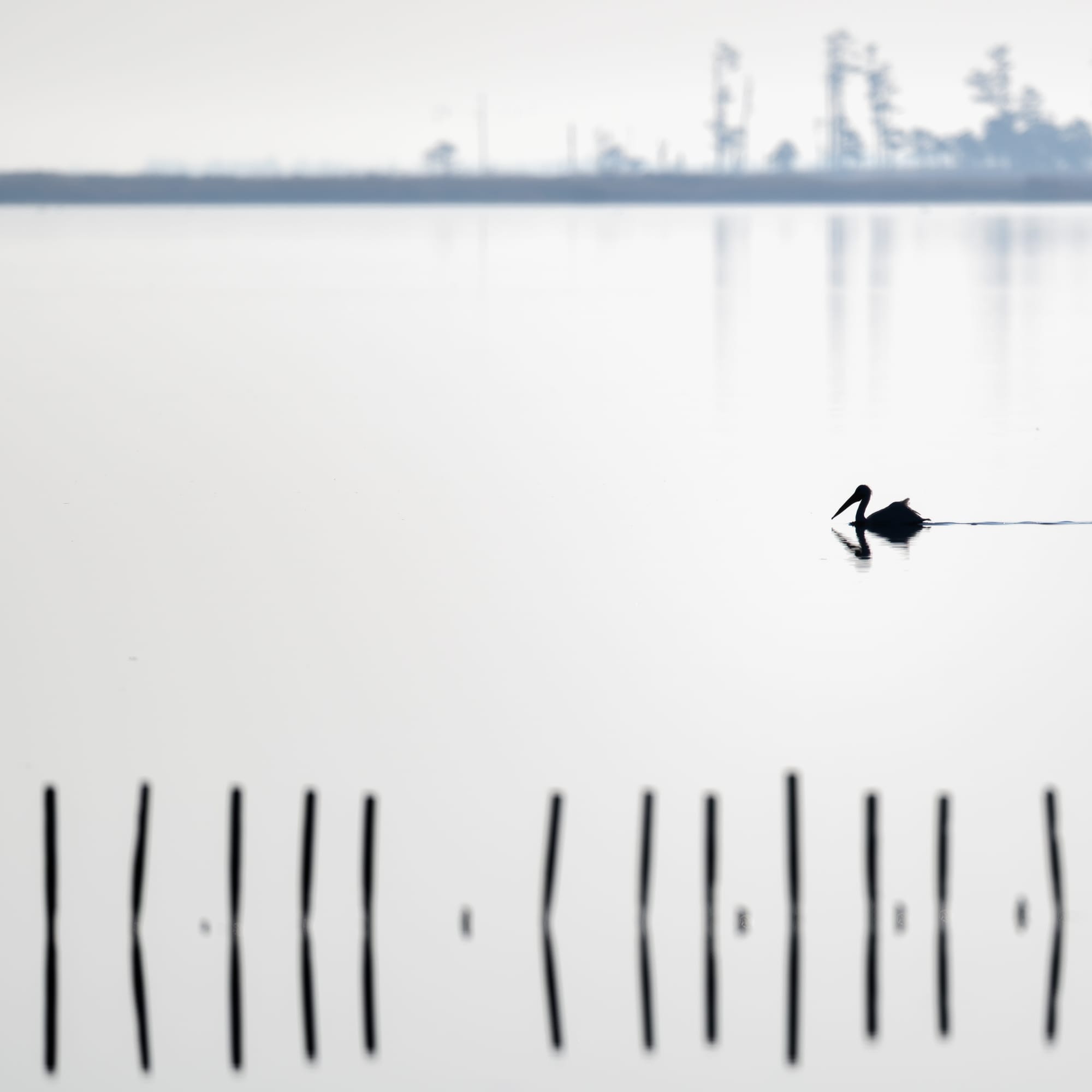
So so small, yet so much to say
The key is that it has to be intentional. A subject that's small because you couldn't get close enough is a missed shot. A subject that's small because you chose to show it in its context is a statement. The difference is whether the background is doing work or just existing.
Shoot through things
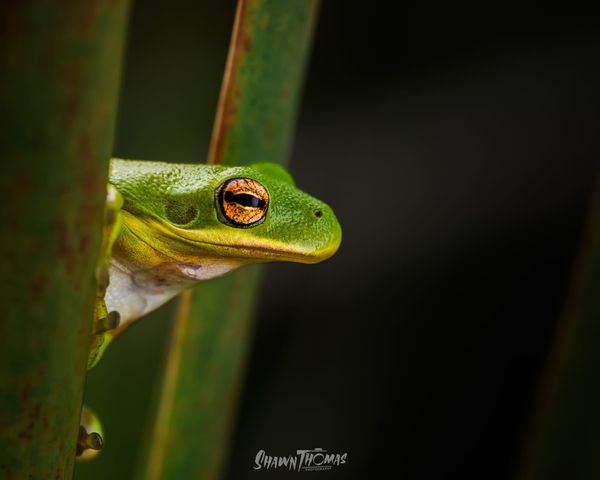
The last idea I want to cover is one of my favorites and one that photographers often treat as a mistake rather than a tool. Shooting through something, foreground elements between you and your subject that the lens renders as blur.
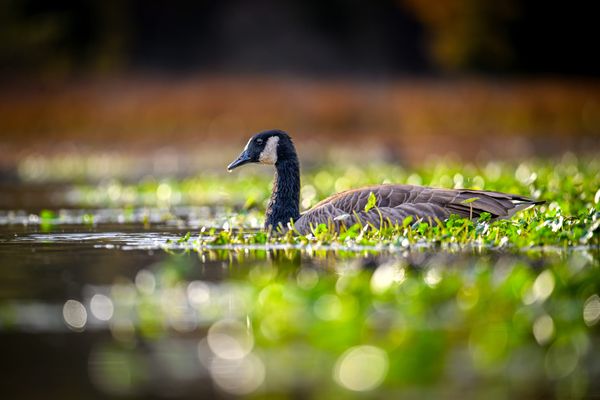
A branch of leaves in the foreground, slightly out of focus. A fence post that's barely there. Reeds at the edge of the water. These things add a layer of depth to the image that's very hard to achieve any other way. The viewer feels like they're peering into something, discovering the bird in its environment rather than having it presented to them cleanly.
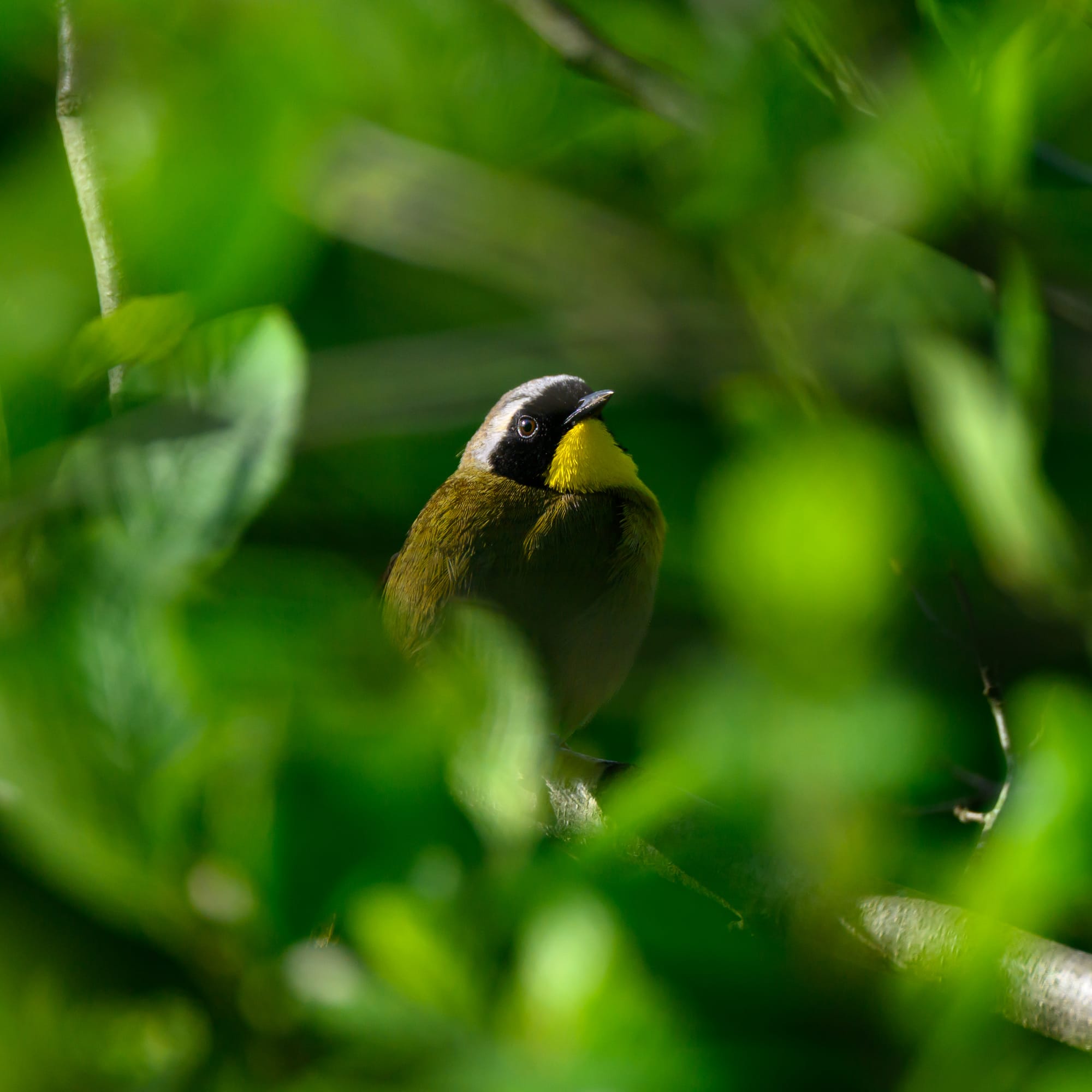
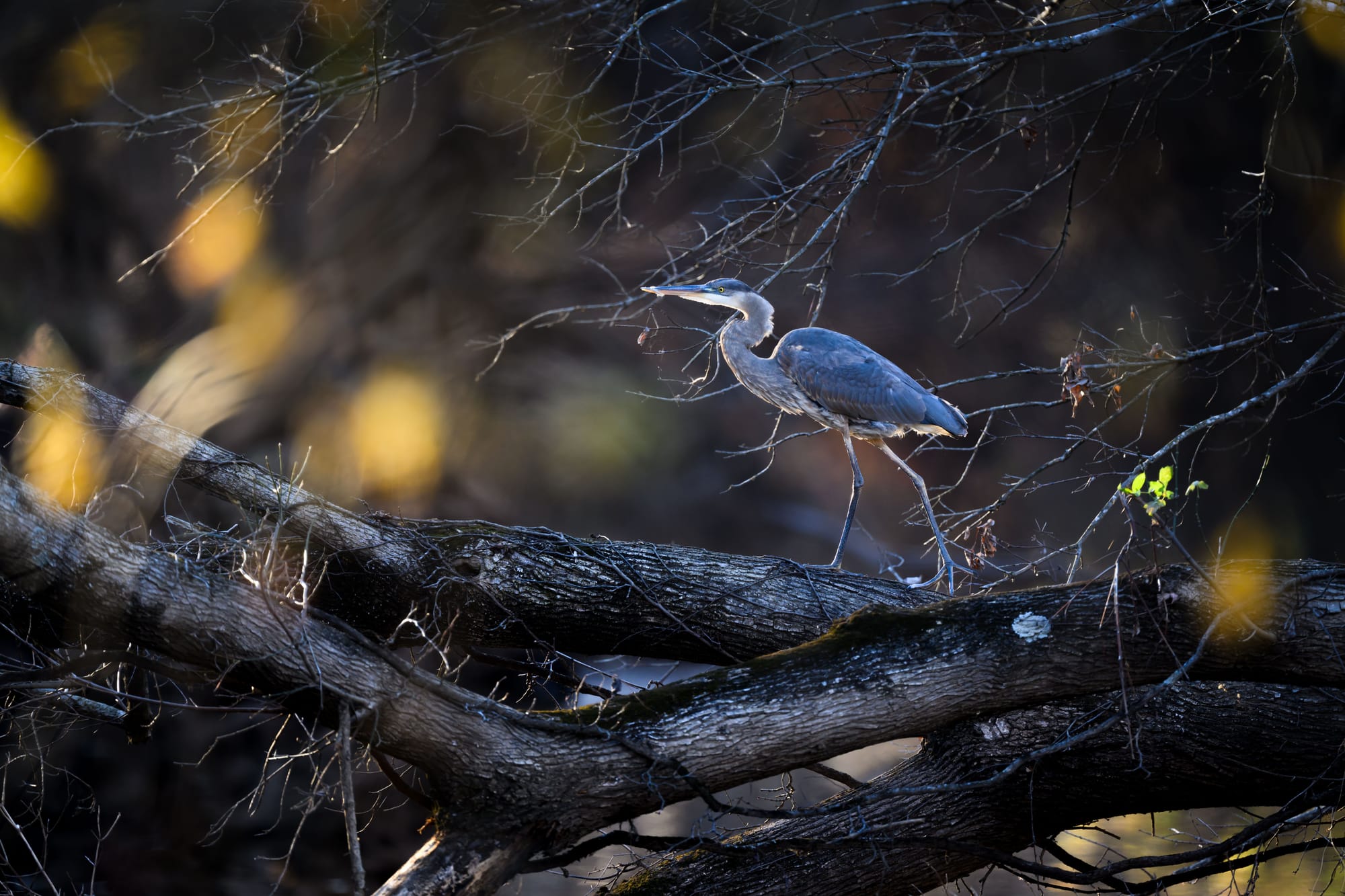
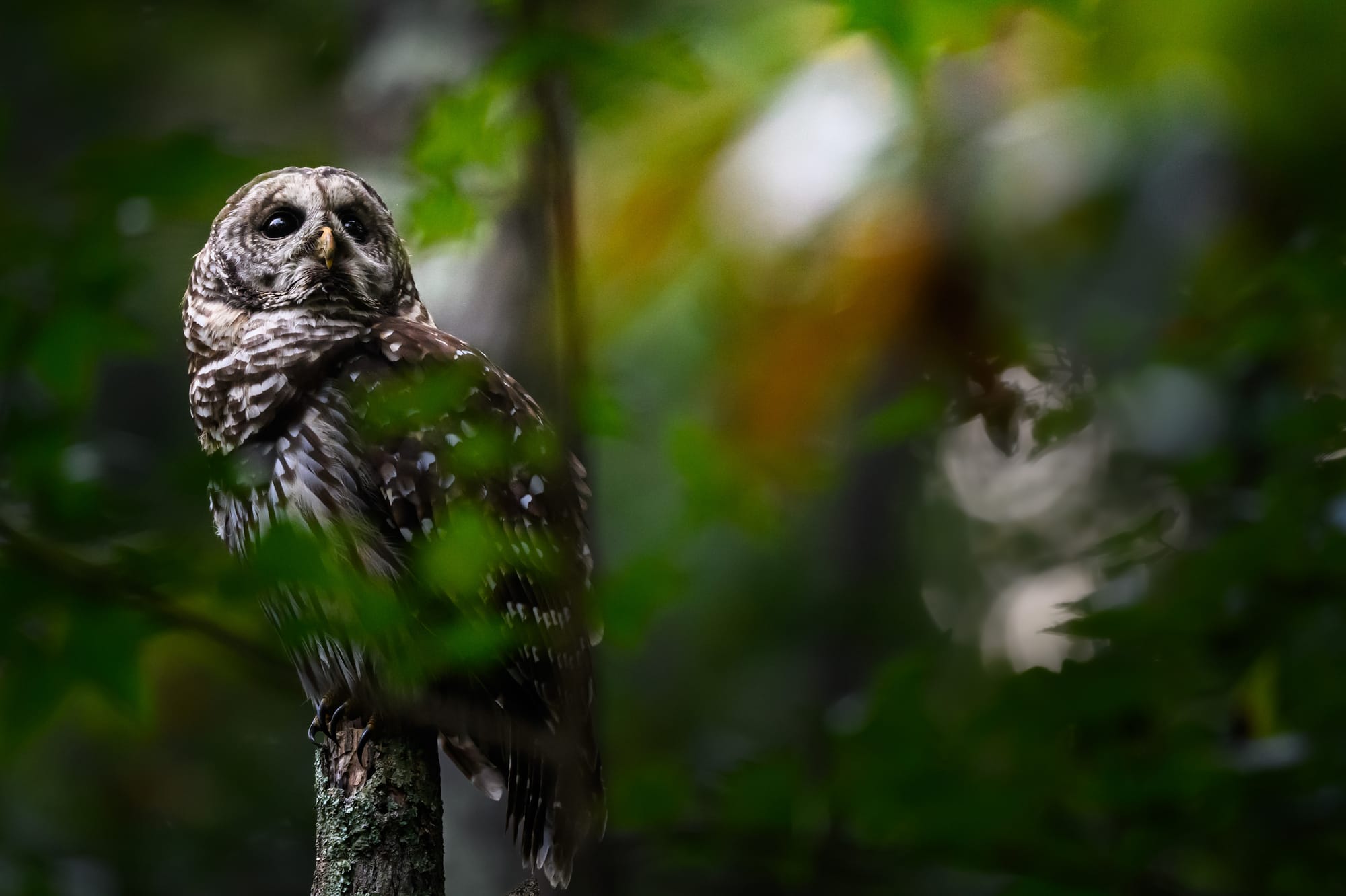
Nothing like building that atmosphere
It requires a long lens and a wide aperture to work well. You need the foreground element close enough and the aperture wide enough to blur it into something atmospheric rather than distracting. And you need to be deliberate about what you're shooting through. A branch that cuts across the subject's eye is a problem. A wash of soft green in the foreground that frames the bird is an asset.
Like everything in Depth it comes down to intention. Is the foreground element adding to what you're trying to say or is it getting in the way? If it's adding, keep it. If it's getting in the way, move.
What it all comes down to
I said at the start of this post that there's no single right way to use a background. What there is, is intention. And I want to close the series here because I think this is where all four principles finally land somewhere together.
When you Watch, you're present. You're reading the scene, anticipating the moment, understanding the animal well enough to be ready when it does something worth photographing.
When you Illuminate, you're thinking about your relationship to the light. You're moving, adjusting, finding the angle that makes the scene feel alive rather than flat.
When you Level, you're getting into the world of your subject. You're choosing a perspective that creates intimacy and presence rather than distance.
And when you apply Depth, you're thinking about what the whole frame is saying. Not just the bird. The light, the atmosphere, the place, the moment. All of it together.
When those four things come together something shifts. You stop thinking about photographing an animal and you start thinking about photographing an experience. The bird is still there, still important, still the reason you got up at four in the morning and drove to a cold marsh and lay flat on a muddy bank until your knees ached.
But the bird is the punctuation mark at the end of the sentence. Everything else, the light, the depth, the level, the moment you were patient enough to wait for, that's the sentence itself.
That's what WILD is about. Not a checklist. Not a formula. Just four ways of paying attention that compound on each other until the photographs you make start to feel like the world actually looks when you're standing in it at the right moment.
Go make some.